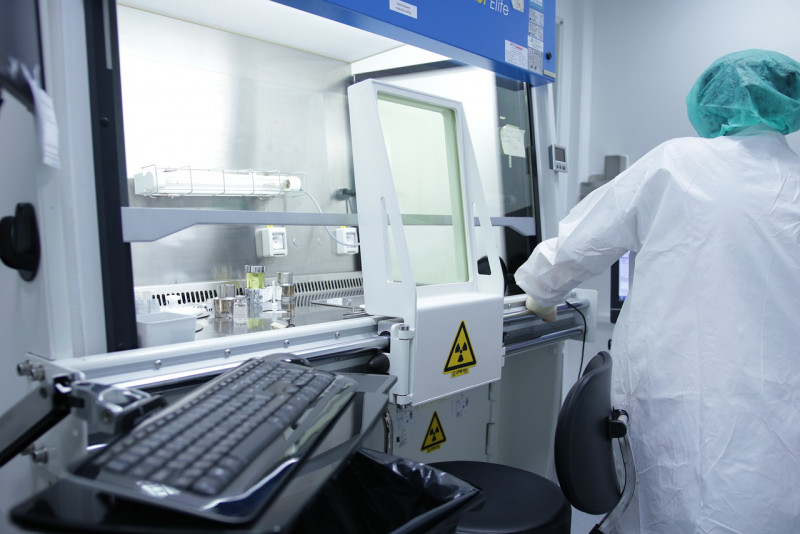
INNOVATION in healthcare treatment should have a positive impact without placing undue financial strain on patients and the system. However, the introduction of new, high-cost technologies is one of the key drivers of rising healthcare expenses.
Speaking during the Niaga AWANI programme today, Professor Datuk Dr Syed Mohamed Aljunid Syed Junid, a Professor of Health Economics, Policy, and Management at IMU University, said not every new innovation in healthcare needs to be implemented in the country’s health system. In fact, careful consideration is required before introducing any new technology.
Dr Syed Mohamed Aljunid argued that there are five crucial steps to evaluate the use of new technologies in healthcare:
1. Assess the Cost-Benefit Impact of Innovations
"Each new technology must be carefully evaluated to ensure it delivers a return that justifies its cost," said Dr Syed Mohamed Aljunid. "Not all healthcare innovations offer benefits that are in proportion to their costs."
He stressed that it is important to reconsider whether new technologies truly offer better or more significant benefits compared to existing methods. The prudent use of financial resources should be a priority.
2. Prioritise Accessible Technologies for All Groups
One significant challenge, according to Dr Syed Mohamed Aljunid, is ensuring that costly technologies do not only benefit the private sector but are also accessible to all sections of society. "Healthcare technology should benefit people regardless of their income level," he remarked, highlighting the need for inclusivity in health innovations.
3. Avoid Technologies that Only Benefit Certain Parties
"There are times when new technologies only benefit the healthcare industry or equipment manufacturers, but the benefits to patients may not justify the costs," he explained. It is essential to ensure that each innovation has a positive impact on the overall wellbeing of the population, rather than serving the interests of a few.
4. Consider More Affordable and Effective Alternatives
Sometimes, cheaper alternatives can deliver the same, or even better, results compared to high-tech options. Choosing cost-effective alternatives can help ease the financial burden on the population, especially for those with lower incomes. "Cheaper, equally effective methods should be considered to reduce financial strain on the public," said DrvSyed Mohamed Aljunid.
5. Focus on Long-Term Impact
"Selecting new technology should also consider its long-term impact, including maintenance costs and post-implementation care," said Dr Syed Mohamed Aljunid. High maintenance costs for new technologies can place significant pressure on healthcare budgets in the future. Additionally, inflation has had a major effect on the economy, particularly within the healthcare sector.
In 2024, Malaysia's medical inflation rate stood at 15%, higher than the global average and the Asia-Pacific region's average of 10%. To ensure a sustainable and affordable healthcare system, careful selection of technologies is crucial. Only cost-effective innovations that offer long-term benefits to the public should be incorporated into the national health system. – March 20, 2025