PRIME MINISTER Datuk Seri Anwar Ibrahim has assured that the upcoming rationalisation of the RON95 fuel subsidy will not impact low-income groups.
He said, the policy changes were designed with the intention of minimising any negative effects on the majority of Malaysians.
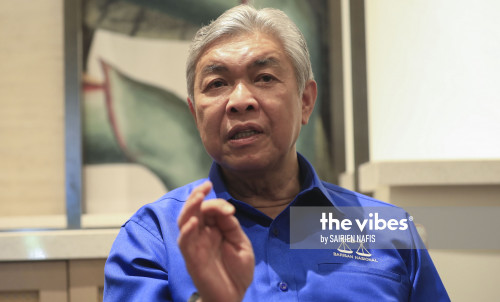
Speaking to the media after attending Friday prayers at the Raja Tun Uda Mosque in Section 16, Shah Alam, Anwar urged the public not to fall for misinformation being spread by irresponsible parties. He made it clear that the rationalisation of RON95 subsidies is not aimed at harming the general populace.
"I don’t think ordinary citizens need to be concerned, because 85 to 90 percent will not be affected by any changes introduced in the rationalisation of RON95," Bernma reported Anwar saying.
"Do not listen to the lies being spread. For example, when we increased electricity tariffs, only the wealthier individuals were impacted.
“The same will apply to RON95 – it will primarily affect foreigners and the very wealthy. If someone earns RM50,000 a month, they can afford to pay a little more. But generally, most people will not feel any significant impact."
Anwar's comments are part of ongoing efforts by the government to clarify concerns over the planned changes to fuel subsidies, which are part of broader economic reforms aimed at reducing government spending on energy subsidies while ensuring that the impact on lower-income citizens remains minimal.
In a recent statement, Deputy Finance Minister Datuk Seri Amir Hamzah Azizan revealed that the government is refining the implementation of its targeted RON95 fuel subsidy mechanism. The new system, which is expected to include a two-tier pricing structure, may potentially involve the use of the MyKad identity card.
Azizan clarified that while discussions surrounding the subsidy are ongoing, the government is not yet ready to announce specific details about the plan. The formal announcement is anticipated after the first half of this year, allowing time for further refinement and consultation.
The initiative to target RON95 subsidies more effectively has been under consideration for some time, with the government aiming to ensure that subsidies are directed at those who truly need them, rather than benefitting all consumers indiscriminately.
By introducing a tiered system, the government hopes to achieve a fairer distribution of resources. The potential use of the MyKad to identify eligible individuals is one option under serious consideration, although further details will be disclosed later this year.
Patriotism Through School Uniforms: National Flag Badge Initiative
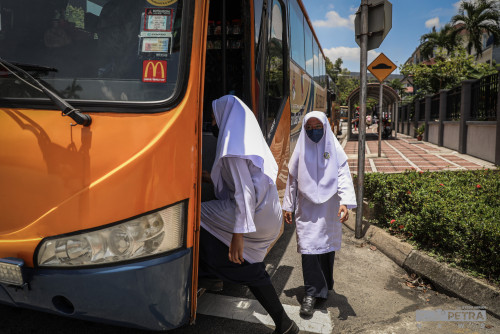
In a separate development, Anwar addressed the decision to introduce the wearing of the Jalur Gemilang (National Flag) badge on school uniforms, which has sparked debate across the country.
He said the proposal, which had been carefully deliberated by the government, aims to cultivate a sense of patriotism among students.
Anwar highlighted that this initiative had long been proposed by the Ministry of Education (MOE), but had been delayed until now.
"The badge is free, you just stick it on. Many neighbouring countries have already implemented something similar," he explained.
"We’ve thought about this and discussed it thoroughly as a way to instill national pride in children from an early age. There is no need for this to become a polemic."
MOE confirmed yesterday that the new policy will come into effect on 21 April, with the badges to be gradually introduced across all government schools, government-assisted schools, Matriculation Colleges, and the National Teacher Training Institutes.
The aim of this initiative is to foster a spirit of patriotism and national pride among both students and educators. According to the Ministry’s statement, the initiative will be phased in, allowing schools to prepare for the change.
"The wearing of the Jalur Gemilang badge on uniforms is a simple but significant gesture to remind students of their duty and love for the nation," said the Ministry, adding that this policy is in line with efforts to instil a sense of national unity and pride in future generations.
The government’s move to incorporate the national flag into everyday school life is expected to strengthen the bond between the younger generation and their country, with the hope that it will nurture a deeper respect for Malaysia’s identity and heritage.
As discussions continue over both the targeted fuel subsidy and the new school uniform policy, it remains clear that Malaysia is focused on implementing reforms designed to benefit its citizens and foster a sense of national pride. - March 28. 2025