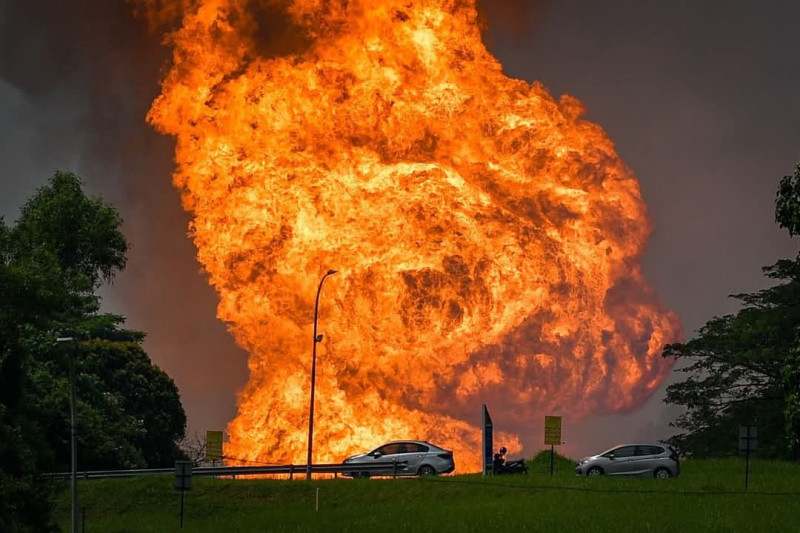
THE devastating fire in Putra Heights that occurred on Tuesday highlights the pressing need for a reassessment of safety protocols in urban areas situated near hazardous infrastructure, particularly gas pipelines and sites with flammable materials.
Department of Urban and Regional Planning at Universiti Teknologi Malaysia (UTM) senior lecturer Dr. Gobi Krishna Sinniah urged the government to review and designate high-risk zones, such as those near gas pipeline corridors, as priority areas for safety measures.
"Although explosions in residential and commercial areas are rare, they pose a significant threat that requires immediate action from the relevant authorities, including government bodies," Bernama cited Dr. Gobi saying.
"Developments near gas pipeline routes will inevitably affect the public, and residential or high-density developments should be identified as high-risk zones, with early preventive measures reassessed."
He pointed out that similar incidents have occurred in Malaysia in recent years, such as the fire in Kerteh Industrial Area, Terengganu, last year, a fire at an oil refinery in Pengerang, Johor, in 2022, and another incident in Port Dickson, Negeri Sembilan, in 2020.
However, these past incidents did not involve rapidly developing areas like Putra Heights.
In light of these events, Dr. Gobi Krishna emphasised the need for a thorough review of residential and commercial developments near utility reserve areas.
He stressed that such assessments should consider environmental, social, and risk factors in greater detail.
"The authorities need to focus not just on the impact of development but also on how it might affect utility infrastructure if such developments proceed," he explained. "We need to shift our perspective to address these concerns effectively."
He recommended that the government establish clearer boundaries for areas potentially affected by incidents, with buffer zones designed to incorporate natural elements like rivers and forests to improve their effectiveness.
"In this case, the development occurred after the establishment of utility corridors, limiting the available mitigation measures to simply building fences as a barrier," he added.
Dr. Gobi Krishna also called for local authorities to reassess the standards for buffer zones in high-risk areas, as there is currently a lack of consistency in their application.
"Some local authorities set the buffer distance at 40 feet (12 metres), while others apply different measurements. This inconsistency, particularly in relation to the area's topography and geography, could compromise safety. This issue requires closer scrutiny to ensure that buffer zones are expanded where necessary."
Meanwhile, Professor Dr. Jeffrey Chiang Choong Luin, president of the Institution of Engineers Malaysia, stressed the importance of improving awareness and training for developers, engineers, and contractors, particularly in the use of digital mapping technologies and geographic information systems (GIS) to identify and safeguard utility reserve areas.
"Local authorities must ensure that all development applications or excavation work near utilities undergo a thorough safety impact assessment before approval," Bernama cited Professor Chiang saying. "They should also increase the frequency of safety audits and monitoring at construction sites to ensure compliance with safety standards."
He added that the Institution of Engineers Malaysia is ready to collaborate with various stakeholders to promote safer, more sustainable infrastructure development across the country.
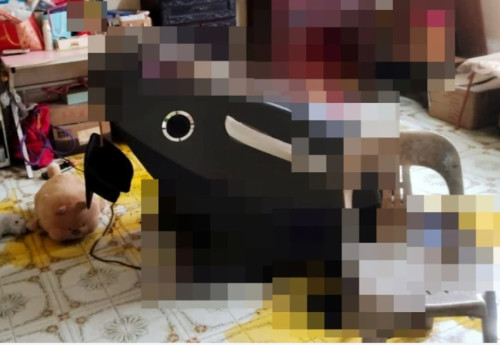
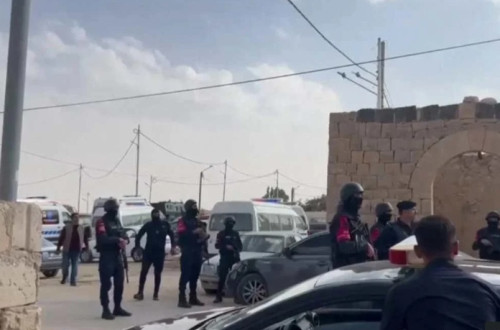
The catastrophic fire that broke out at 8:10 am on Tuesday severely impacted the area, destroying and damaging homes, properties, and vehicles within a 500-metre radius due to the intense heat. The explosion also left behind a massive crater, 9.8 metres deep and measuring approximately 21 by 24 metres in width.
Hundreds of residents have lost their homes and are currently seeking shelter at temporary relief centres. Additionally, numerous individuals who sustained burns are receiving treatment at nearby medical facilities. – April 3, 2025