THE government is opening wider pathways for the adoption of Solar Photovoltaic (Solar PV) systems, particularly encouraging local authorities to embrace the clean energy transition as part of national decarbonisation efforts.
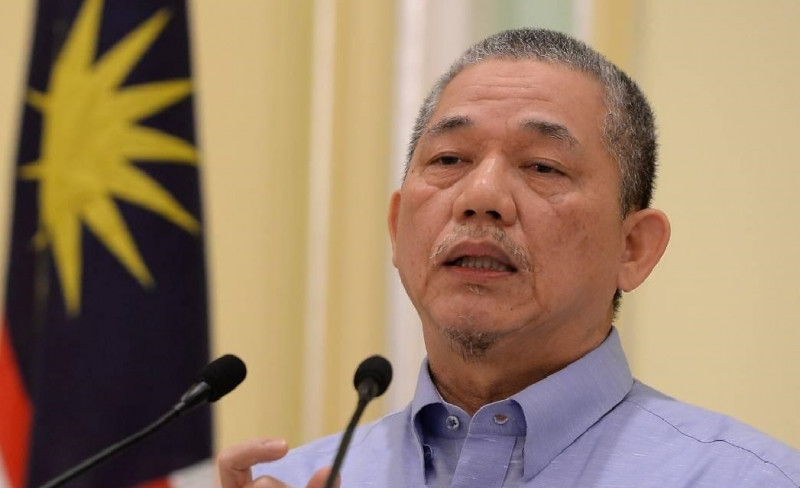
Deputy Prime Minister Datuk Seri Fadillah Yusof, who also serves as Minister of Energy Transition and Water Transformation (PETRA), said that installing Solar PV systems on public premises could significantly reduce electricity consumption, generate renewable energy, and help cut carbon emissions.
Speaking during his visit to the Kuala Terengganu City Council (MBKT), Fadillah highlighted the council’s Solar PV installation as a landmark project. Panels have been mounted across the building’s rooftop and car park areas as part of the Net Energy Metering (NEM) 3.0 initiative, under the NEM GoMEN category approved by the Sustainable Energy Development Authority (SEDA) Malaysia in December 2021.
“This Solar PV system at MBKT is the largest installation of its kind by any local authority building. It has been operational since 2 January 2024 and is expected to generate approximately 1,147 megawatt-hours (MWh) of green electricity annually. This equates to around 11 per cent in electricity bill savings or more than RM200,000 a year,” he said.
Fadillah made the remarks while inspecting the installation as part of the Eastern Zone PETRA Skuad roadshow, which included site visits across Kelantan and Terengganu.
The roadshow also included a stop at the Coara Marang Large Scale Solar (LSS) plant, developed under the government’s LSS3 programme. According to Fadillah, the facility represents one of Malaysia’s most technologically advanced solar farms.
“The energy generated here is enough to power over 10,000 households daily. It’s not just a boost to clean energy generation but also a model for disaster-resilient solar farm design, particularly for flood-prone regions. This strengthens the resilience of our national energy infrastructure,” he said.
The tour concluded at the Concord Biotech Sdn Bhd Biogas Power Plant in Kemaman, which was developed with an investment of RM21 million. The facility includes two biogas engines with a combined capacity of 2.404 megawatts, utilising biogas derived from palm oil mill effluent (POME).
Fadillah explained that the plant, which began commercial operations on 12 March 2022, was awarded a Feed-in-Tariff (FiT) quota by SEDA Malaysia in February 2019.
“As of 31 March 2025, this plant has generated 29,158 MWh of electricity and prevented an estimated 22,568 metric tonnes of carbon dioxide equivalent (CO2eq) emissions,” he said.
The developments form part of Malaysia’s broader push to increase renewable energy uptake, lower national carbon intensity, and transition to a more sustainable energy landscape. - May 25, 2025