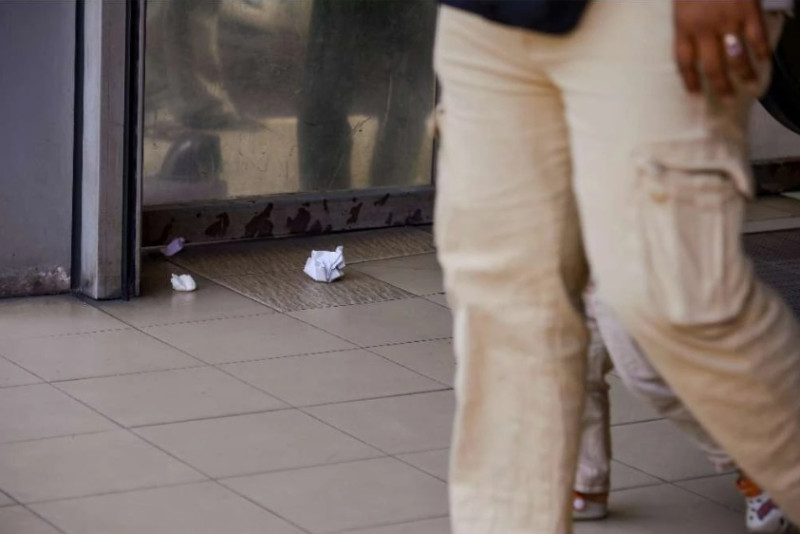
THE Community Service Order (CSO) for minor littering offences was implemented today, marking a shift in government policy from a purely fine-based punishment approach to shaping long-term behaviour and civic responsibility.
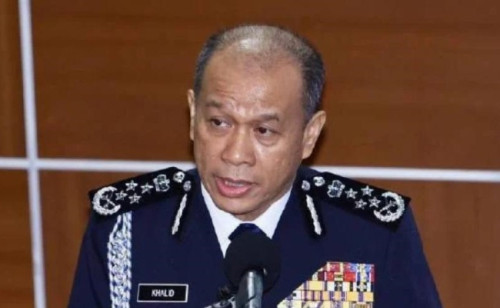
Solid Waste Management and Public Cleansing Corporation (SWCorp) Chief Executive Officer Khalid Mohamed said the enforcement of the CSO was not intended to shame offenders but rather to educate the public to be more aware of cleanliness.
He said that starting today, SWCorp members together with local authorities (PBT) would be deployed at hotspot locations as part of a focused enforcement strategy, specifically for minor littering offences such as cigarette butts and packaging waste.
"SWCorp members in collaboration with the local authorities will be at the hotspots and bring individuals who commit offences to court for adjudication," he told reporters in a recent interview.
He said the court could impose a community service sentence of up to 12 hours involving clean-up work, in line with the policy objective of linking offences with direct impacts on the public environment.
The CPM also applies to all individuals without exception, including tourists and foreign workers to ensure that the principles of justice and compliance with the law are implemented comprehensively.
Khalid also explained that the power of compounding is still maintained, but the government sees the need to complement it with the CPM because fines alone are not effective for all levels of society.
"For some individuals who can afford it, fines do not have an effect, which is why the community service approach was introduced," he said.
From a governance perspective, he said the implementation of the MCP in states that adopt the Solid Waste Management and Public Cleansing Act 2007 (Act 672) will be implemented by SWCorp and local authorities, while other states will be fully implemented by their respective local authorities. – January 1, 2026