SHORTAGES in manpower, excessive workloads and the absence of round-the-clock CCTV surveillance have been identified as critical weaknesses that could expose Malaysia’s national entry points to security breaches, according to the Immigration Department.
Its director-general, Datuk Zakaria Shaaban, said an insufficient number of officers has led to heavier workloads, particularly at inspection counters, which could undermine operational effectiveness.
“Indirectly, this situation could create vulnerabilities for security breaches if not managed effectively. The department is constantly striving to optimise staffing at all service counters,” he said, as quoted by Bernama.
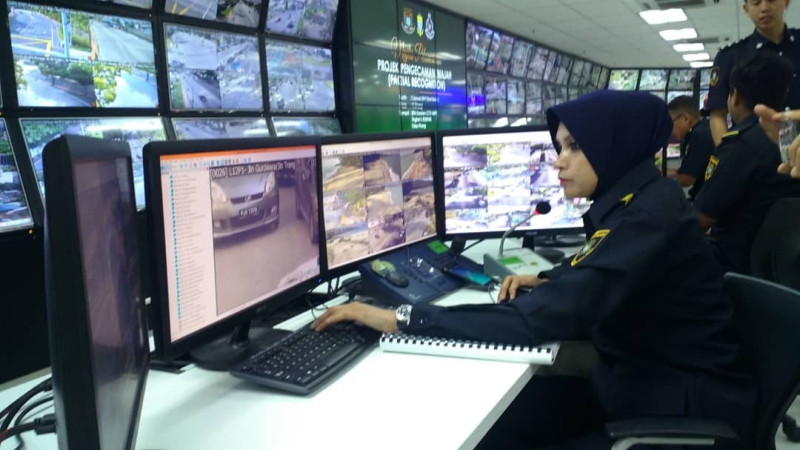
Zakaria said staffing constraints are not the only concern, noting that uninterrupted 24-hour CCTV monitoring is a crucial tool for prevention, surveillance and quality control, especially at high-risk locations.
He said the absence of continuous surveillance systems would weaken accountability and make it more difficult to detect early signs of misconduct or procedural violations among personnel.
To address these risks, Zakaria said the Immigration Department has taken proactive steps by fully implementing an officer monitoring system via CCTV at all national gateways since October 2024.
The system enables close supervision of officers’ performance and allows for immediate intervention in cases of non-compliance.
“This measure supports our commitment to strengthening integrity, transparency and operational efficiency at our entry points. It ensures that national security and sovereignty remain protected,” he said.
In addition to CCTV surveillance, Zakaria said the department has also introduced body-worn cameras to further deter corruption and potential abuse of power.
He said body-worn cameras have been deployed to officers stationed at key entry points as well as within enforcement units, as part of broader efforts to enhance accountability and public confidence in border control operations. - January 24, 2026