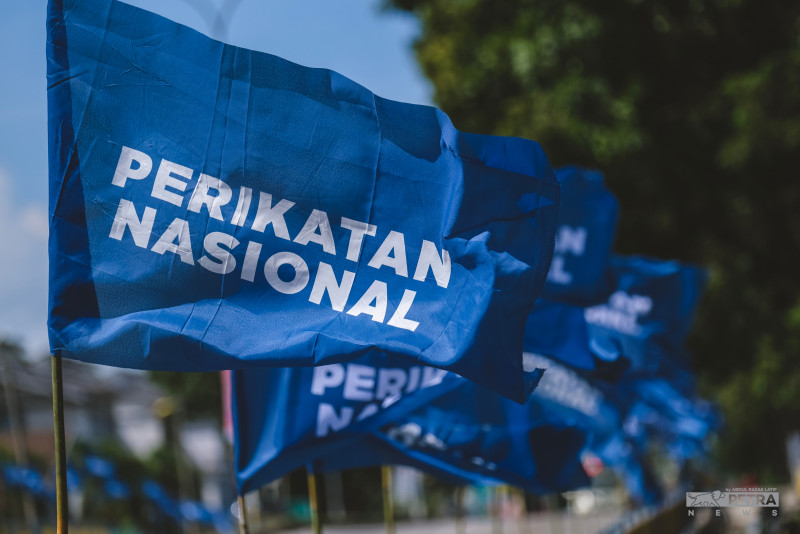
MOUNTING internal dissonance within Perikatan Nasional, marked by political manoeuvring, separate leadership meetings and contradictory statements over the coalition’s chairmanship, is increasingly seen as a factor that could erode the opposition bloc’s strength.
Political observers say the situation has been exacerbated by the absence of representatives from PAS, the largest component party in PN, at a recent meeting involving coalition party leaders, a move widely interpreted as a symbolic signal of unresolved internal conflict.
Ilham Centre research fellow Mujibu Abd Muis said the recurring pattern of tension within PN, openly displayed and left unresolved, pointed to weaknesses in strategic coordination at the highest leadership level.
“The developments following the Perlis Menteri Besar crisis, and their close link to the current position of the PN chairman, appear to reinforce the argument that tensions within PN are no longer routine or temporary in nature,” he told Bernama.
Mujibu said the situation suggested PN had yet to successfully institutionalise an effective internal conflict management mechanism, particularly in addressing differing interests among its component parties.
He added that tensions now exposing structural and leadership weaknesses could gradually erode voter confidence in the coalition’s ability to govern in a stable and effective manner if not addressed strategically and with discipline.
“Despite denials that the situation remains under control, actions such as open barbs, absences from important meetings and conflicting public statements by leaders cannot be dismissed as trivial. They signal a deficit of trust among key actors in the coalition, especially in terms of decision-making coordination and collective leadership,” he said.
According to Mujibu, while such dynamics are not uncommon in coalition politics, the manner in which they are managed will determine whether tensions remain temporary or escalate into structural conflict that could threaten the coalition’s stability in the medium to long term.
Meanwhile, Datuk Prof Dr Awang Azman Awang Pawi, director of the Centre for Malay Excellence Studies at the University of Malaya’s Academy of Malay Studies, said prolonged tension without a clear internal resolution mechanism and disciplined collective communication risked reflecting deeper structural fractures rather than mere tactical differences.
He said any changes to PN’s leadership structure or model, if implemented inclusively, transparently and based on consensus, could potentially strengthen the coalition by clarifying leadership hierarchy and redefining the roles of component parties.
“However, if changes are made hastily, in a biased manner or without sensitivity to the balance of power among parties, such actions risk opening the door to wider fragmentation.
“In the post-pandemic political era that demands stability and efficiency, perceptions of internal unity are just as important as ideological strength and policy positioning,” he said.
Awang Azman added that PN’s continued failure to manage internal differences maturely would not only damage perceptions of the coalition’s stability but could also weaken public confidence in its capacity to serve as a viable alternative national administration.
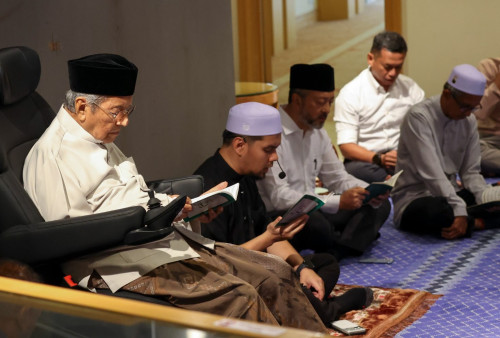
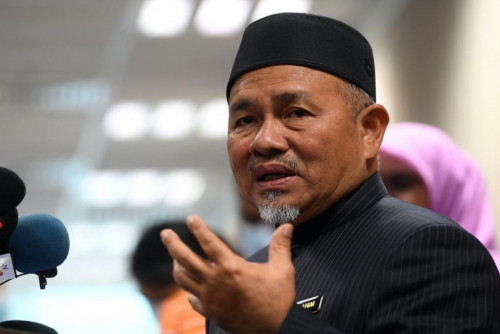
Last Thursday, PN leaders held a meeting at the residence of Bersatu president Tan Sri Muhyiddin Yassin, effectively replacing a special PN Supreme Council meeting that had been cancelled at the last minute by PN deputy secretary-general Datuk Seri Takiyuddin Hassan.
However, no PAS representatives, including its president Tan Sri Abdul Hadi Awang, attended the meeting. Instead, PAS held a three-day party retreat beginning last Friday, which was believed to have included discussions on the future direction of cooperation with PN partners as well as preparations for upcoming state elections and the 16th General Election.
Most recently, media reports suggested that the PN leaders’ meeting at Muhyiddin’s residence had allegedly agreed to form an executive council and abolish the post of PN chairman, further underscoring the uncertainty surrounding the coalition’s leadership structure. - February 1, 2026