NUCLEAR technology in Malaysia is no longer confined to energy or defence-related applications, but is now playing a growing role in tackling food fraud and verifying the authenticity of agricultural and food products sold in the country.
Since 2016, stable isotope-based forensic food analysis has been used to identify the origin and composition of food products, including those crossing national borders.
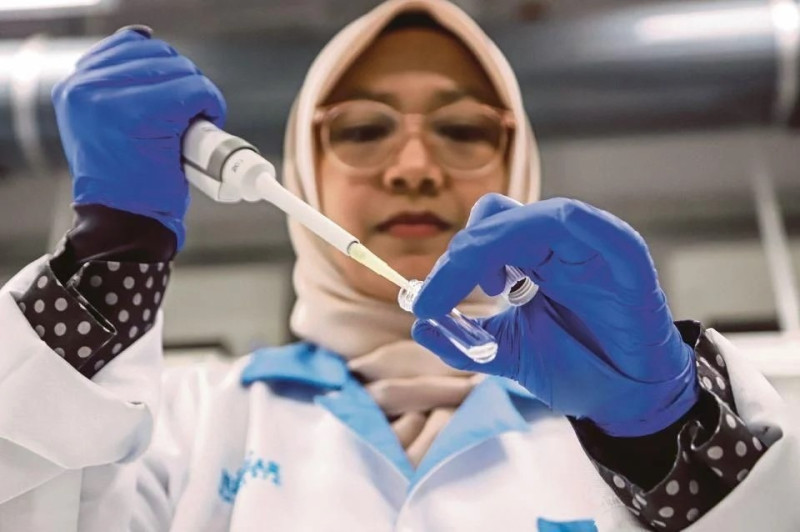
The technique, known as Stable Isotope Ratio Analysis, allows scientists to verify claims related to product purity, organic status and even halal compliance.
Stable isotopes are naturally occurring variants of the same element that differ in neutron count but do not undergo radioactive decay, making them safe for use in laboratory analysis across a wide range of applications.
Research officer Nur Hafizati Abdul Halim from the Nuclear Agency’s Agrotechnology and Biosciences Division told Berita Harian that the technology has evolved significantly, particularly following past cases involving the illegal importation of meat from unauthorised source countries.
“The technique only uses laboratory analysis methods to unravel the natural composition of food and does not involve radioactive materials, nor are tested products exposed to radiation.
“It measures the ratios of specific isotopes that occur naturally in food products from the environment. Honey, for example, reflects the type of flowers visited by bees in a particular locality.
“The duration of analysis varies depending on the type of product, but generally the procedure takes up to three days.
“We have already used this technique to test edible bird’s nests, kelulut honey, rice, Harumanis mangoes and cocoa beans,” she told BH.
Nur Hafizati explained that Stable Isotope Ratio Analysis evaluates the stable isotope ratios of carbon, nitrogen, hydrogen, oxygen and sulphur in samples using Isotope Ratio Mass Spectrometry.
These isotope profiles are influenced by local climate, soil conditions and water sources, allowing scientists to verify the geographical origin of food products.
She said each food item naturally absorbs environmental elements such as water, air and soil, leaving behind a unique isotopic signature that is impossible to manipulate.
According to her, the same technology can protect consumers from fraudulent practices, ensure product quality and authenticity, and support the enforcement of food safety laws.
Verified products also enable producers to market their goods with greater confidence once purity and safety have been scientifically confirmed.
Nur Hafizati said the service is open to the public, with analysis costs depending on the type and quantity of samples submitted.
“Products that have been analysed and confirmed as authentic can also apply for the ‘Authentic’ logo issued by the Ministry of Health, which can be displayed on goods as a mark of assurance.
“The use of this technology also enhances confidence among importing countries, regulatory authorities and consumers because it aligns with traceability requirements and international food safety standards,” she said.
Beyond authentication, nuclear technology also contributes to food safety through irradiation techniques that eliminate harmful bacteria capable of causing food poisoning, while extending shelf life.
She said the same approach can slow fruit ripening and prevent sprouting in crops such as onions and potatoes, helping to reduce food waste.
“Quarantine treatment eliminates insect pests in agricultural products without using chemical pesticides and is recognised by international bodies such as the World Health Organization and the International Atomic Energy Agency.
“This adds value and strengthens safety aspects in the international trade of agriculture-based products,” she said.
On food fraud cases, Nur Hafizati said incidents often involve lower-quality products being falsely labelled as premium, with items commonly affected including pure honey, olive oil, coffee and organic foods.
She said such practices are driven by attempts to maximise profit, compounded by increasingly complex and lengthy supply chains that create opportunities for deception.
“The authenticity of honey, for instance, can be verified through clear differences in isotope profiles between its natural protein content and any added substances, including sugar.
“Issues of food authenticity and origin are becoming more critical as the economic value of premium foods rises. It is no longer just about price, but also consumer safety, market fairness and the reputation of the food industry.
“The use of this technology helps safeguard market integrity and preserve the country’s reputation in food trade, especially at the international level,” she said. - February 4, 2026