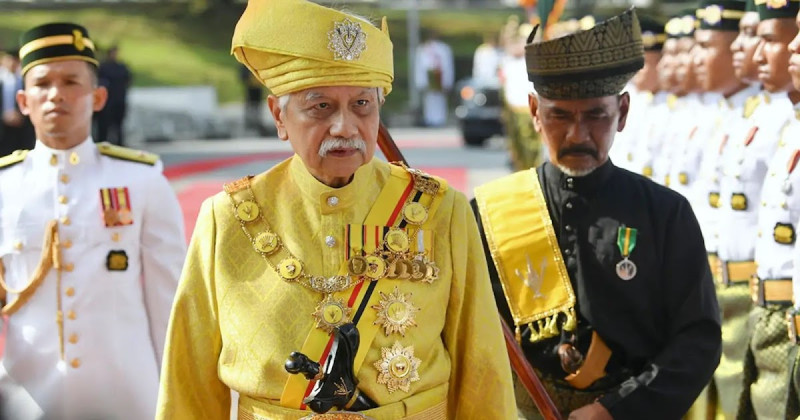
There are no cameras when the help arrives.
No long speeches, no carefully staged photographs, no social media posts announcing the gesture.
Often, there isn’t even a crowd — just quiet assistance, extended without spectacle, and a name that rarely comes up unless someone asks.
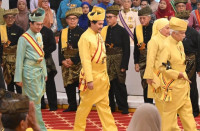
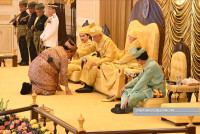
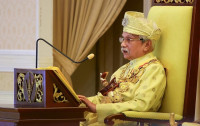
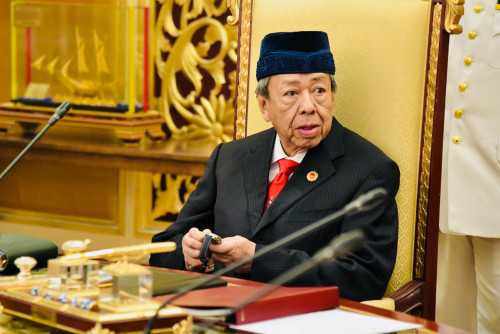
That, those close to Negeri Sembilan’s royal household say, is how Tuanku Muhriz Tuanku Munawir prefers it.
In a time when generosity is often measured by visibility, the Yang di-Pertuan Besar has built a different kind of legacy — one that is felt more than it is seen.
“Tuanku is not the kind of person who wants attention for doing good,” said an individual familiar with the royal family’s charitable work.
“For him, if you help someone, that should be enough.”
Much of that help flows quietly through Yayasan Munarah, the royal family’s foundation.
On paper, its work spans education, healthcare, welfare and support for vulnerable communities.
But behind those categories are real, often unseen stories — a student who stays in school, a patient who gets the equipment they need, a family that gets through a difficult month.
There are no grand announcements attached to these moments. And that, perhaps, is the point.
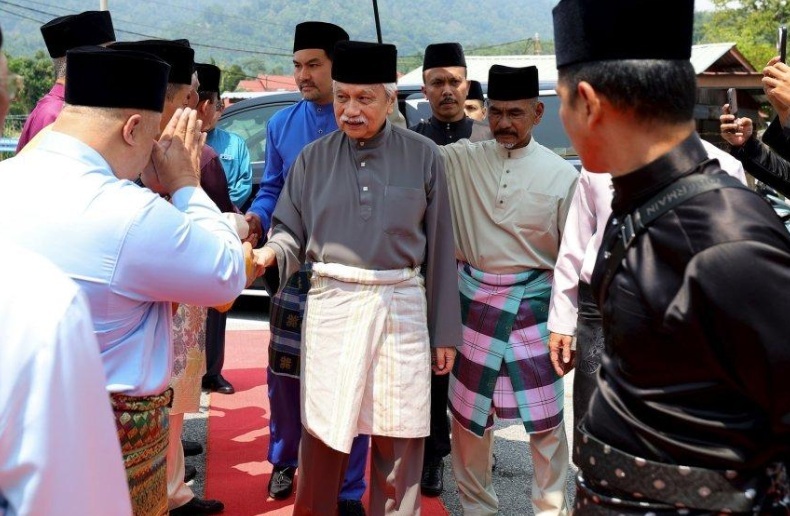
Those who have observed Tuanku Muhriz over the years often return to the same description: reserved, steady and deeply private.
Even before ascending the throne, he was known to keep a low profile, avoiding the kind of public attention many in his position might embrace.
That instinct did not change when he became ruler. If anything, it shaped the way he approached responsibility.
But behind that quietness lies something more personal.
For more than three decades, Tuanku Muhriz and Tunku Ampuan Besar Tuanku Aishah Rohani cared for their son, the late Tunku Alif Hussein Saifuddin Al-Amin, who lived with special needs.
It was a part of their lives they rarely spoke about publicly — not out of secrecy, but out of dignity.
Those close to the family say the experience left a lasting imprint.
“You learn patience. You learn empathy differently,” said one observer. “It changes how you see other people’s struggles.”
There has never been an official statement drawing a direct line between that personal journey and the royal family’s charitable priorities.
But the connection is difficult to ignore.
Support for healthcare, assistance for those with disabilities, and outreach to families in hardship have become quiet pillars of Yayasan Munarah’s work — not loudly advertised, but consistently present.
Even within the foundation, the tone is deliberate.
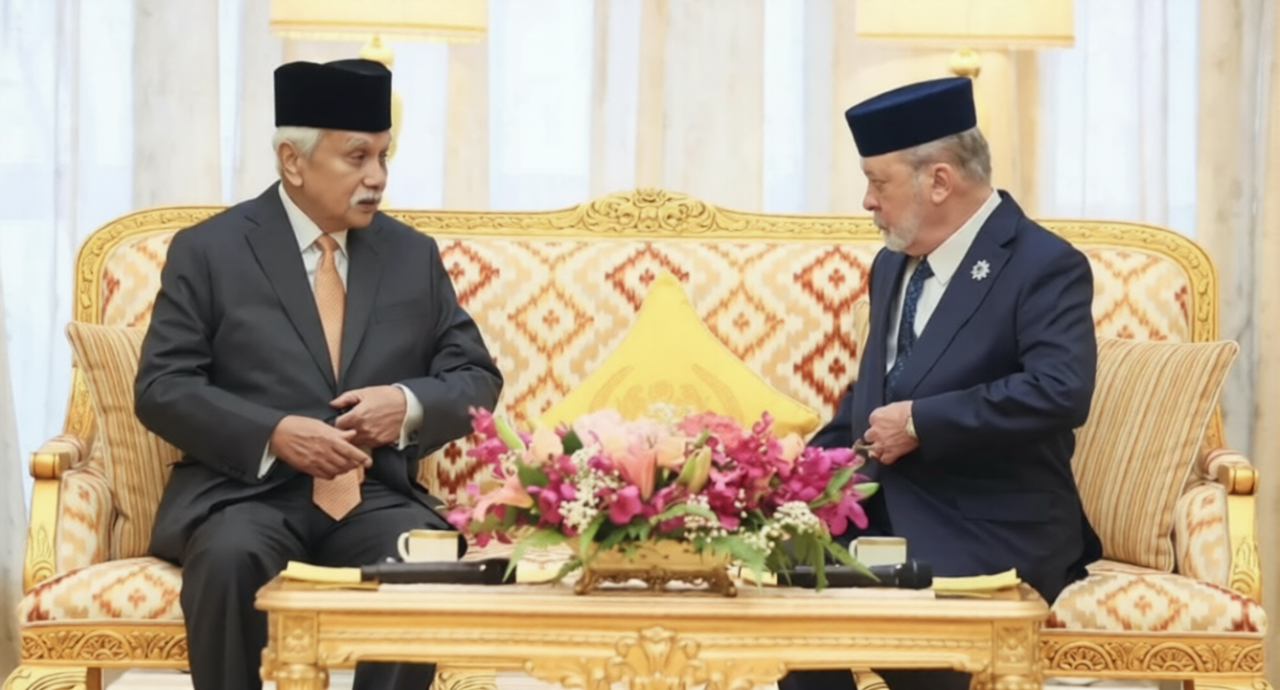
The focus remains on the people being helped, not the people doing the helping.
It is a philosophy that has earned Tuanku Muhriz a particular kind of respect in Negeri Sembilan — not the loud, performative admiration often seen in public life, but something steadier: trust.
“He doesn’t need to show it,” said a long-time resident. “People here know.”
That quiet reputation comes into sharper focus amid recent developments, after claims surfaced involving an attempt to challenge or replace the Yang di-Pertuan Besar.
While details surrounding the matter remain subject to legal and institutional processes, the episode has nonetheless drawn attention to the role and standing of the Negeri Sembilan ruler — and the legacy he has built over the years.
For many in the state, the conversation is not only about constitutional questions, but about the kind of leadership they have come to recognise.
In many ways, that may be Tuanku Muhriz’s defining trait as a ruler — not just the decisions made in public office, but the way he has chosen to carry the weight of it: quietly, without excess, and with a consistent sense of duty.
In an age that rewards visibility, his approach can seem almost out of place.
But for those who have benefited from that quiet generosity, the absence of noise does not diminish its impact.
If anything, it makes it more meaningful.
In Negeri Sembilan, some of the most important things are still done without needing to be seen. – June 6, 2026