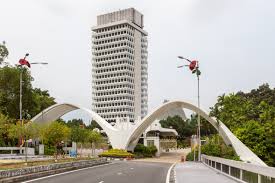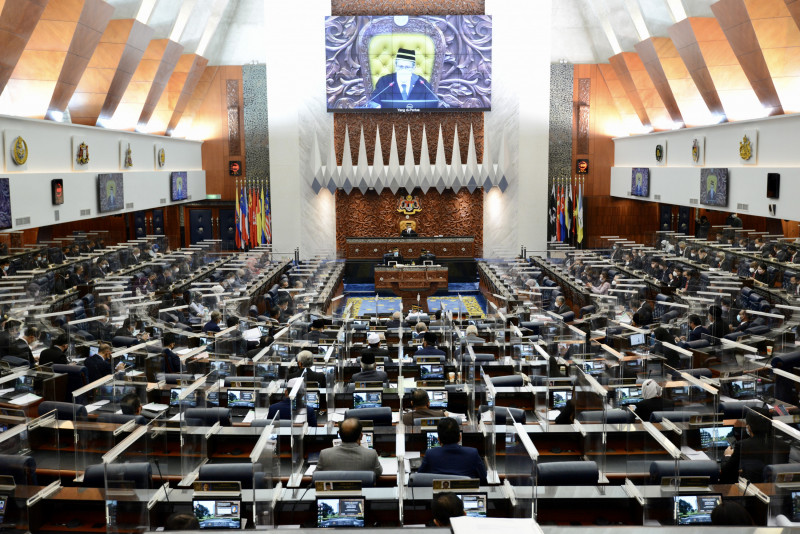
A WATERSHED institutional reform Bill returns to the Dewan Rakyat this week, presenting a high-stakes test for the government as lawmakers decide whether to approve the long-awaited separation of the Attorney General and Public Prosecutor roles.
The proposed constitutional amendment requires a strict two-thirds majority to pass, making bipartisan support vital for a reform widely viewed as a barometer for judicial accountability and institutional independence in Malaysia.
While optimistic observers suggest the draft has found stronger footing during the current parliamentary sitting, a chorus of legal experts and civil organisations argue that the Bill remains incomplete without stringent oversight mechanisms to isolate the prosecution service from political influence.
Evaluating the structural changes, Transparency International Malaysia president Raymon Ram remarked that the success of the reform hinges on creating a completely trusted and autonomous institution, rather than merely splitting the offices on paper.
"The legislation should provide clear and objective appointment procedures, narrowly defined grounds for removal accompanied by due process safeguards and a governance framework that preserves the PP’s institutional independence over the long term," he said.
Ram noted that recent alterations to the draft indicated a higher probability of the Bill navigating its way through Parliament successfully.
"Various revisions demonstrate that the government has been willing to engage with both the Parliamentary Special Select Committee (PSSC) and civil society, resulting in meaningful improvements," he said.
Bipartisan consultations have been a core focus for the committee tasked with refining the legislation ahead of its return to the floor.
Selayang Member of Parliament William Leong, who serves on the special select committee scrutinising the proposals, confirmed that discussions had bridged traditional political divides.
"This committee consists of all parties, and the minister also met with the government backbenchers and the Opposition," Leong stated.
"I think we should be able to get the support across the parties," he added when contacted.
Despite the cross-party consensus on the necessity of the reform, the precise timing of the final vote remains unconfirmed.
"I don’t know whether it’s scheduled to go ahead, because it’s only in the order paper. But I am definitely sure it should be this session," Leong remarked.
The lack of explicit preventative measures against executive meddling continues to draw criticism from prominent figures within the legal fraternity.
Former Malaysian Bar president Salim Bashir insisted that deeper statutory protections must be embedded into the new system to guarantee total independence for the future Public Prosecutor.
He recommended that the proposed seven-year term for the Public Prosecutor should explicitly bar any possibility of reappointment to the position.
"The PP should also be required to submit reasons and policies adopted for certain decisions taken in cases of public interest," Bashir stated.
Furthermore, Bashir advocated for the creation of an entirely independent, non-partisan prosecutorial service commission that would function well beyond the orbit of the executive branch. - July 6, 2026