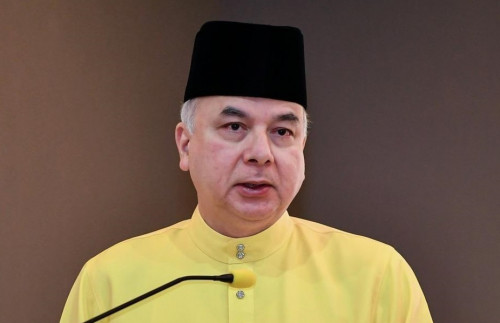
THE Government must move beyond viewing ESG as a corporate reporting requirement and embrace it as a national development strategy to strengthen economic competitiveness, attract quality investments and build resilience against climate and global economic challenges, Deputy Prime Minister II Datuk Seri Fadillah Yusof said.
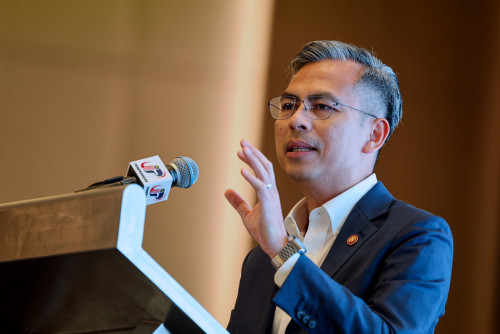
Speaking at the MAPAN ESG 2026 Industry and Academic Summit on Tuesday, Fadillah, who is also Energy Transition and Water Transformation (PETRA) Minister, said sustainability had become a shared national responsibility involving the government, businesses, universities, civil society and the public.
He said global challenges, including climate change, energy transition, water security concerns and shifting international market demands, had changed the way countries measured progress.
“ESG has developed into a strategic approach that determines the ability of a country to continue growing in an increasingly competitive global economic landscape,” he said.
Fadillah stressed that ESG should not be seen as a compliance burden but as a framework capable of enhancing national competitiveness, strengthening businesses, increasing investor confidence and ensuring sustainable development for future generations.
He said the approach was aligned with the Malaysia MADANI framework, which emphasises balanced development between economic growth, social wellbeing, environmental sustainability and good governance.
The Deputy Prime Minister highlighted that Malaysia’s green transition would be supported by key national policies, including the National Energy Transition Roadmap (NETR), New Industrial Master Plan 2030 (NIMP 2030), National Entrepreneurship Policy 2030 and the MADANI Economy framework.
He said the government’s objective was to create new economic opportunities, attract high-quality investments, raise productivity and ensure the benefits of development reached all segments of society.
Fadillah also stressed the importance of involving micro, small and medium enterprises (MSMEs), which account for about 97 per cent of businesses in Malaysia, in the ESG transition.
He said ESG adoption would help MSMEs improve competitiveness, expand access to financing and markets, and prepare for the shift towards a low-carbon economy.
“SMEs that are ready to adapt will be better positioned to enter international markets, attract strategic partners and increase the value of their products and services,” he said.
Fadillah said the government remained committed to strengthening carbon markets and accelerating economic decarbonisation towards achieving the country’s net-zero carbon aspiration by 2050.
However, he stressed that the transition must be fair, structured and realistic, taking into account industry capacity, MSME readiness and the impact on living costs.
He added that sustainability efforts should not become a burden but instead create new economic opportunities, quality employment and improved public wellbeing.
On ESG reporting, Fadillah said the National Sustainability Reporting Framework (NSRF) would play an important role in strengthening Malaysia’s ESG ecosystem through greater transparency, credibility and comparability of sustainability disclosures.
He said the framework, built around key areas including green financing, climate disclosure, ESG innovation, supply chain integration and the circular economy, would help strengthen investor confidence.
Fadillah said PETRA would continue leading national efforts in energy transition, water transformation and resource efficiency to improve Malaysia’s energy and water security while reducing carbon intensity.
He called for ESG to become a national culture rather than merely a reporting requirement or market obligation.
“The success of ESG should not be measured by the number of policies introduced or targets announced, but by whether these efforts translate into actions that create real impact for the people,” he said.
Fadillah urged government agencies, industries, financial institutions, universities, civil society groups and young Malaysians to work together in advancing the sustainability agenda.
He said Malaysia had the policies, institutions, industries and talent required to become a regional example in balancing economic growth, social wellbeing and environmental protection. - July 28, 2026