THE Government-Linked Companies Activation and Reform Programme (GEAR-uP) recorded RM20.3 billion in domestic direct investment (DDI) in 2025, nearly three times higher than the RM6.6 billion achieved in the previous year.
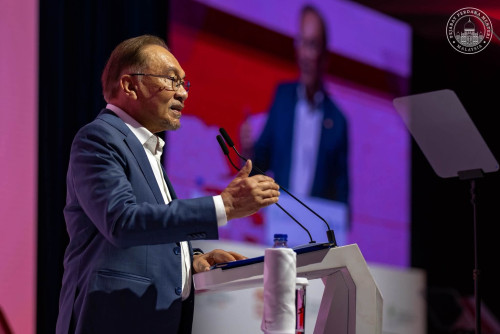
Finance Minister II Datuk Seri Amir Hamzah Azizan said the achievement reflected the programme’s strong momentum in mobilising high-value investments while building a stronger and more resilient economic ecosystem for Malaysia.
He said GEAR-uP was not merely focused on investment figures, but on converting capital into economic capabilities that would directly benefit Malaysians through better jobs, stronger businesses and fairer wages.
"GEAR-uP functions to transform capital into capability. This means building businesses, creating good jobs and paying fair wages to Malaysians.
"We do not measure success through ringgit alone. We measure it through higher wages, graduates securing good employment, businesses that grow and supply chains that are firmly established in Malaysia," he said.
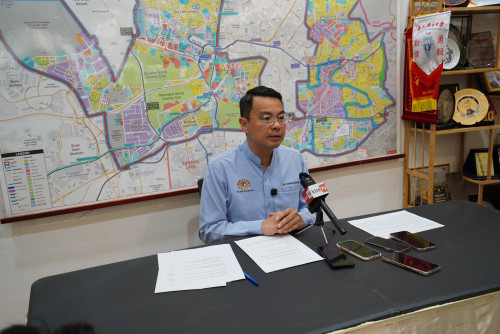
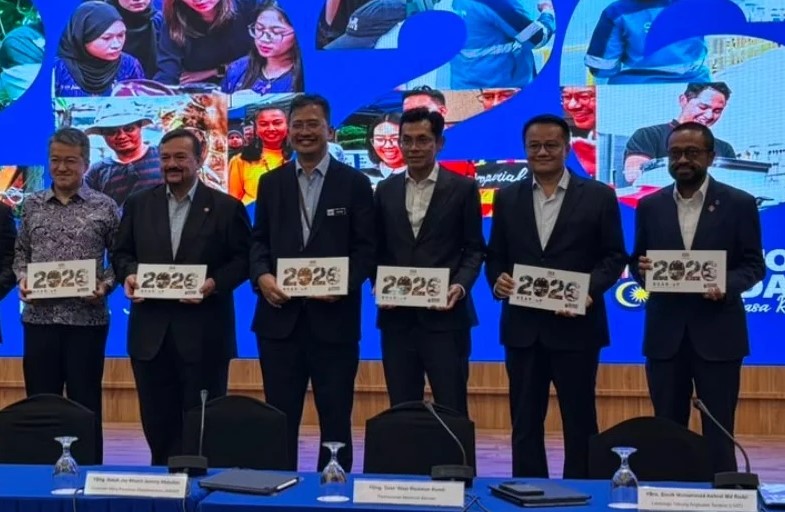
Amir was speaking at the GEAR-uP 2026 Progress Report Media Conference at the Ministry of Finance on Friday.
He said the government would continue refining investment opportunities each year to ensure the target of achieving RM120 billion in domestic direct investment by 2028 could be achieved.
He added that the priority was not simply reaching investment targets, but creating a sustainable ecosystem capable of encouraging greater participation from domestic private investors and foreign investors.
Launched in August 2024, GEAR-uP brings together six Government-Linked Investment Companies (GLICs) managing assets worth RM2.2 trillion, alongside 37 Government-Linked Companies (GLCs).
The network employs nearly 207,000 workers, represents 27 per cent of Bursa Malaysia’s market capitalisation and is supported by more than 40,000 local vendors nationwide.
Of the RM20.3 billion in investments channelled in 2025, Khazanah Nasional contributed RM7.9 billion, followed by the Employees Provident Fund (EPF) with RM5.8 billion, Retirement Fund Incorporated (KWAP) with RM5.4 billion and Permodalan Nasional Berhad (PNB) with RM1.3 billion.
The investments supported more than 60 high-growth companies across strategic sectors.
A total of RM1.4 billion was allocated to the semiconductor industry, while RM1.8 billion was directed towards digital infrastructure and logistics development, as well as key sectors including energy, healthcare, food security and local start-ups. - August 7, 2026