MALAYSIA could see temperatures soar to 40°C in parts of the country between January and May next year if a potentially record-breaking Super El Niño develops towards the end of 2026, the Malaysian Meteorological Department (MetMalaysia) warned.
MetMalaysia director-general Dr Mohd Hisham Mohd Anip said the probability of the phenomenon occurring was now approaching 100 per cent, based on climate model forecasts from international observation and research centres.
He said previous meteorological records showed that very strong El Niño episodes were often associated with higher temperatures, prolonged dry weather and a heightened risk of severe haze.
"Experience from the Super El Niño episodes of 1997/1998 and 2015/2016 showed that the country's daily maximum temperatures during those periods were more extreme than in other periods.
"At that time, the country recorded its highest temperature of 40.1 degrees Celsius at the Chuping Meteorological Station, Perlis, on April 9, 1998, and 39.3 degrees Celsius at the Batu Embun Meteorological Station, Jerantut, Pahang, on April 10, 2016," he said.
Mohd Hisham said there was about a 70 per cent probability that the intensity of the coming El Niño could surpass that of any episode recorded since 1950.
"That could cause northern and inland areas of the peninsula, as well as inland Sabah and Sarawak, to record temperatures higher than usual and increase the risk of hot weather and heatwaves from the end of the Northeast Monsoon in January until May 2027.
"Based on the latest projections, there is a possibility that more meteorological stations in northern Peninsular Malaysia could record temperatures of up to 40 degrees Celsius during the peak of the hot season between January and May 2027," he said.
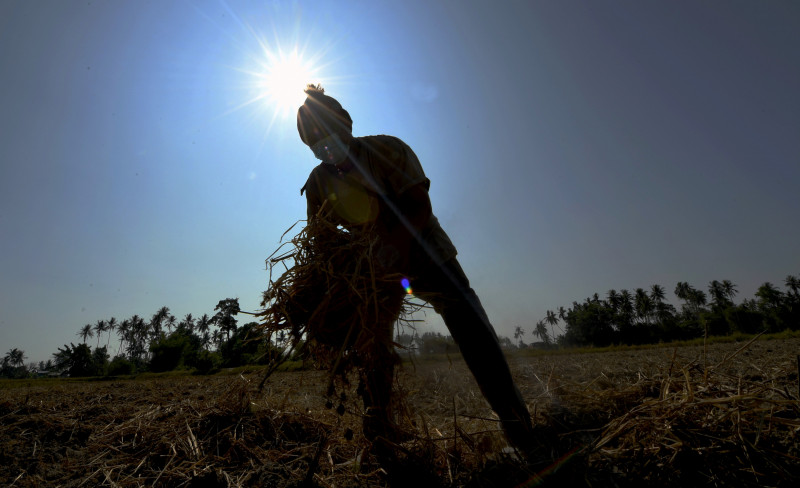
He warned that rising temperatures and prolonged hot weather could increase the risk of heatwaves and affect public health, particularly among children, the elderly and those engaged in outdoor activities.
"Reduced rainfall and longer dry spells could place pressure on water resources, including catchment areas and dams, as well as affect agriculture and other industries that are sensitive to water shortages.
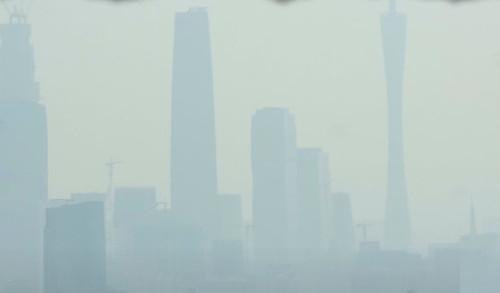
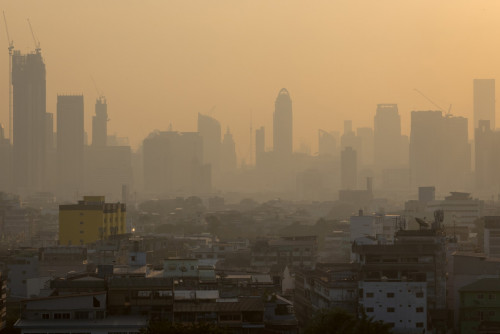
"Prolonged hot and dry conditions would also make vegetation more susceptible to fire, increasing the risk of forest and peatland fires as well as haze, both locally and across borders," he said. - September 8, 2026






.jpg)