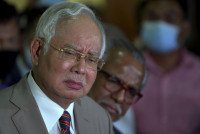

THERE are two very different reactions to the conditional pardon granted to former prime minister Datuk Seri Najib Razak.
For his supporters, it is a moment of relief. For those who believe he should serve the sentence handed down by the courts, it is a decision that will be much harder to accept.
That divide is unlikely to disappear anytime soon.
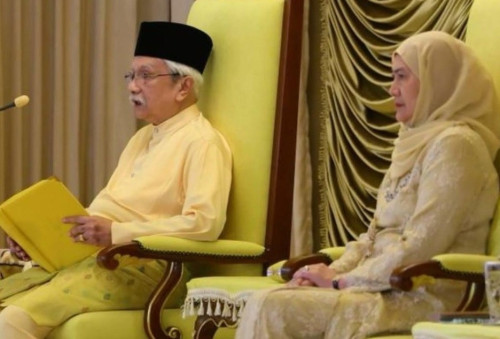
The Yang di-Pertuan Agong has the constitutional power to grant pardons, reprieves and respites under Article 42 of the Federal Constitution.
The exercise of that power is separate from the judicial process. The King is not sitting as a court when exercising the royal prerogative of mercy, nor is a pardon the same thing as overturning a conviction.
That point needs to be recognised.
But so does another one: constitutional power does not prevent the public from asking what the decision means for confidence in the justice system.
Najib’s pardon is conditional.
He is to serve the remainder of his sentence under house arrest until August 23, 2028, subject to paying a RM50 million fine and complying with the conditions imposed. A breach of those conditions could see him returned to prison.
That makes the conditions themselves particularly important.
What exactly will house arrest mean in Najib’s case?
How much will his movements be restricted? Who will be allowed to visit him? Will he be permitted to meet politicians? Can he participate in political activities? What about social media, interviews or public statements?
These are reasonable questions, not an attempt to question the King’s constitutional authority.
A prison sentence is ultimately about the loss of liberty.
If that sentence is served at home instead of behind prison walls, the restrictions imposed must still have substance. Otherwise, the public may begin to see house arrest not as another form of custody, but as a privilege attached to a particular kind of prisoner.
And that is where the uncomfortable comparisons will begin.

An ordinary prisoner serving time for stealing from a supermarket will not have the same circumstances as a former prime minister serving his sentence at home.
Whether fair or not, Malaysians will make that comparison.
It is therefore important that the conditions attached to Najib’s house arrest are clear and properly enforced.
The purpose should not be to humiliate him. But neither should it be to make his punishment indistinguishable from ordinary life.
There is another reason this matters.
The case involving Najib is not an ordinary corruption case that attracted little attention outside Malaysia.
The 1MDB scandal involved billions of ringgit, international financial institutions and investigations across several countries. It became one of the most damaging scandals in Malaysia’s recent history and contributed heavily to the political upheaval that followed.
Najib’s SRC International conviction became a major part of that story.
The conditional pardon does not erase that conviction
Nor does it bring every other legal matter involving Najib to an end.
That distinction will matter as the country moves forward.
Malaysia has spent years trying to convince its citizens and the international community that corruption involving public money will be dealt with seriously.
The exercise of royal mercy is part of the constitutional system. But how that mercy is implemented will also shape how Malaysians view the institutions responsible for administering justice.
That is why transparency matters now.
If there are restrictions on political activity, the public should know.
If there are limits on visitors, movements or communications, they should be clear.

And if there are consequences for breaching those conditions, they should be enforced without fear or favour.
Najib is entitled to the constitutional mercy that has been granted to him.
He is also still a convicted prisoner serving a sentence.
Those two facts can exist at the same time.
The real test now is whether the house arrest arrangement can preserve the meaning of that sentence while respecting the constitutional decision that made it possible.
For Malaysia, that is not a small matter.
Public confidence in justice is difficult to build and even harder to restore once people believe that the system treats some prisoners differently from others.
The conditions imposed on Najib will therefore matter almost as much as the decision itself. – September 20, 2026