THE Government is leveraging three UNESCO ecohydrology demonstration sites to strengthen national water resilience and promote nature-based solutions in tackling climate-related water challenges.
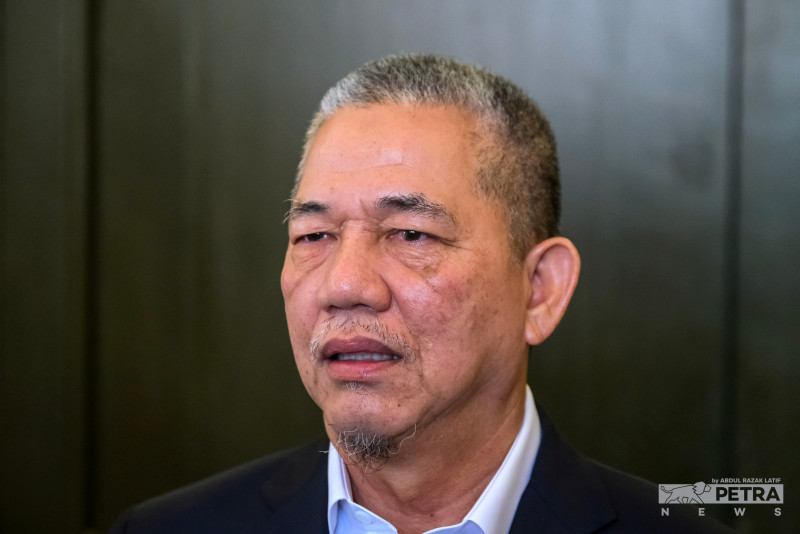
Deputy Prime Minister II and Energy Transition and Water Transformation Minister Datuk Seri Fadillah Yusof said the sites — Putrajaya Wetlands, the Sustainable Stormwater Management Project at Universiti Tun Hussein Onn Malaysia (UTHM), and the Bio-Ecological Drainage System (BIOECODS) at Universiti Sains Malaysia (USM) — reflected the country's efforts to integrate ecological functions into water management.
He said ecohydrological science, technology and nature-based solutions could help mitigate long-term flood risks, restore ecological balance and improve water quality amid changing rainfall patterns, extreme hydrological events and rapid urbanisation.
Fadillah said water resilience must be treated as a strategic national priority, requiring cooperation among government agencies, industry, academia and local communities to translate scientific knowledge into practical solutions.
He was speaking at the opening of the inaugural International Conference on Ecohydrology and Water Resilience (ICEWR 2026), held over two days at the Everly Hotel here.
Themed “Ecohydrology and Water Resilience: Advancing Nature-Based Solutions for Sustainable Water Systems”, the conference aims to strengthen multistakeholder governance and promote sustainable approaches to water management.
Organised by the Department of Irrigation and Drainage Malaysia and HTC Kuala Lumpur, in partnership with UNESCO, UTHM and other strategic partners, the conference brought together about 200 participants, including policymakers, industry representatives, academics, non-governmental organisations and international partners.
The ministry said combining conventional engineering infrastructure with natural ecosystem functions and digital tools could improve environmental sustainability while supporting long-term economic productivity. - November 3, 2026