Malaysia

Govt moves to close price gap for essential items in rural Sabah

Govt to hire transporters to eliminate additional transportation costs and maintain controlled prices

Updated 5 years ago · Published on 14 Jan 2021 6:40PM

Govt moves to close price gap for essential items in rural Sabah
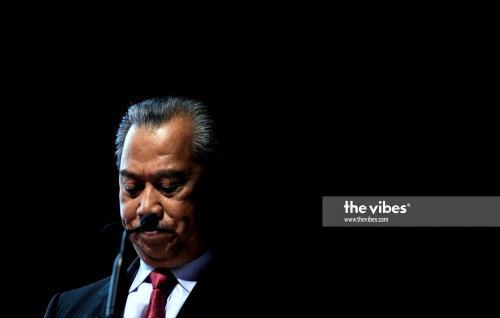
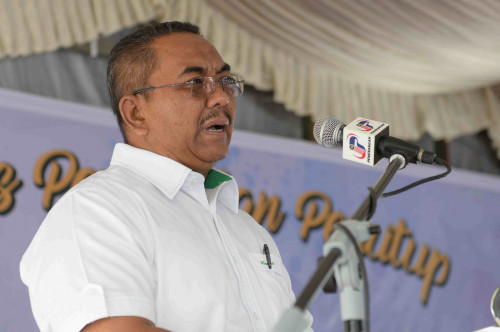
Domestic Trade and Consumer Affairs Minister Datuk Seri Alexander Nanta Linggi says the ministry assures that the supply of essential goods to residents will continue following the contract extension of the existing companies. – File pic, January 14, 2021

KOTA KINABALU – More people living in interior areas of Sabah will no longer need to pay more for the same pack of rice than those living in urban areas. 

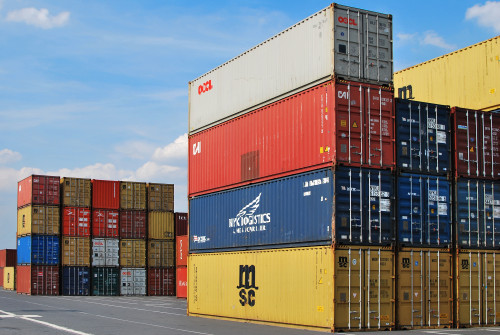
The Domestic Trade and Consumer Affairs Ministry announced that appointed transporters have started working since Tuesday to transport seven types of essential goods to interior areas of Sabah, to ensure that they will not need to pay more for logistics and transportation costs.  

The seven essential controlled-price items are rice, sugar, flour, cooking oil, liquefied petroleum gas, RON95 petrol, and diesel.  

Its minister Datuk Seri Alexander Nanta Linggi said it is part of the ministry’s Community Drumming programme, which started in 2009.

The programme aims to close the price gap of essential items between people living in urban and rural areas by hiring transporters to eliminate additional transportation costs and maintaining the controlled prices of the goods. 

“This year, the ministry will extend the programme to 137 more places, including interior areas and islands in Terangganu and Pahang, as well as Sabah and Sarawak. 

“The government allocated RM200 million for the programme this year, an increase of RM50 million from last year’s allocation.  

“While waiting for the appointment of new transporters in May this year, the ministry has extended the contracts for 151 existing transporters until April 30 this year, and they commenced work on Tuesday (January 12),” he said.  

The ministry said it hopes the programme can reduce the financial burden of those living in interiors during the Covid-19 pandemic, especially those in Sabah and Sarawak. – The Vibes, January 14, 2020

Related News

Malaysia / 3mth

Covid-19 cases in Malaysia stable, no deaths recorded this year – MOH

Malaysia / 6mth

Bad move to channel EPF dividends into Account 3 for festive withdrawals, cautions economist

Opinion / 10mth

A tale of two administrations: How Warisan and GRS shaped Sabah’s future

Malaysia / 1y

MOH closely monitoring Covid-19 amid rising cases in neighbouring countries

Opinion / 1y

The Trump dilemma and reclaiming balance: The urgent need for fair global trade

Culture & Lifestyle / 1y

Renowned public health expert honoured at award ceremony in Penang

Spotlight

Malaysia

Myanmar hotel worker charged over alleged sexual assault of three-year-old Australian boy in Penang

Health

MOH weighs HFMD vaccine strategy as cases plunge 83%

World

Trump links Saudi nuclear deal to Israel recognition as pact heads to Congress

Malaysia

Shah Alam brawl turns deadly as car strikes man after machete attack (video)

Music

‘Queen of Country’, Dolly Parton dies at 80

Sports & Fitness

Global cricket legends urge Pakistan to honour court order on Imran Khan’s medical care

Malaysia

Should PH work with Bersama to defeat a common enemy?

Business

Nation’s economic outlook strengthens as leading index signals continued growth

You may be interested

Malaysia

Businessman contributed RM4.8m to Bersatu to return a favour

Malaysia

Tuanku Muhriz urges Malaysians to uphold Rukun Negara, strengthen unity

Malaysia

Lawyers’ breach of trust cases cause RM192m losses since 2023

Malaysia

MACC detains former Tabung Haji chairman, Treasury sec-gen

By Alfian Z.M. Tahir

Malaysia

Court dismisses tycoon Tan Kok Ping's libel appeal against Penang CM

By Ian McIntyre

Malaysia

Kedah braces for potential hundreds of millions in gambling claims

Malaysia

Sanusi invites Ramkarpal to ‘give a talk’ on gambling in Kedah

Malaysia

PM Anwar urges Muslims to make Islamic values a model for governance, education