KUALA LUMPUR – The government’s initiative to forge cooperation between private and public hospitals to address the Covid-19 pandemic is seen as a timely move that will ease the pressure faced by the public healthcare system.
In fact, many private hospitals have already agreed to treat patients from government hospitals, thus putting profits aside and doing their part to reduce the workload of public-sector frontliners.
Under Permai, a new assistance package announced by the government on January 18, an allocation of RM100 million has been made to enhance cooperation between private and public hospitals to combat the Covid-19 pandemic.
Following the announcement, Health Director-General Tan Sri Dr Noor Hisham Abdullah said the government has obtained the commitment of several private healthcare facilities to receive referrals and treat Covid-19 patients.
In a statement yesterday, he said 96 private hospitals have agreed to treat Covid-19 patients following discussions with them on January 23. They will provide 1,252 beds, 65 intensive care unit beds and 54 ventilators. Currently, there are 210 private hospitals registered in the country.
Sharing the burden
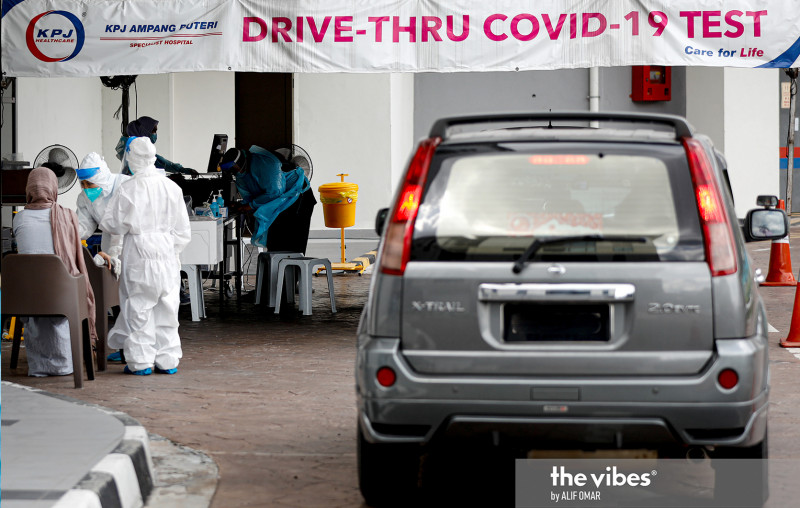
KPJ Healthcare Bhd president and managing director Ahmad Shahizam Mohd Shariff said the time has come for “shared responsibility” as the pandemic has reached a critical stage, with the nation recording daily new cases exceeding 3,000 – at times, 4,000.
“KPJ is viewing the government’s decision (to collaborate with private hospitals) positively and we are preparing our hospitals to receive Covid-19 and non-Covid-19 patient referrals,” he said, adding that the move would help free up more space in government hospitals for Covid-19 patients.
Acknowledging that certain quarters would question the RM100 million allocation for the public-private hospital collaboration, as private health facilities have their own income-generating platform, Shahizam said now is not the time to reap profits but to focus on humanity.
“In trying to strike a balance between the two (profits and humanity), we’re ready to play a role to meet the needs of the nation and we are aware of the financial capacity of government hospital patients who will be referred to private hospitals,” he said, adding that they are expecting only minimal profits from these “transactions”, depending on the agreement signed between the Health Ministry (MOH) and private entities concerned.
Ready to help
Shahizam said KPJ will work with the government to identify patients who can be referred to its hospitals for treatment.
Before transferring a patient, various clinical aspects have to be considered like, for instance, whether the patient is in a stable condition to undergo treatment or any procedure.
On the preparedness of KPJ hospitals to accept government hospital patients, he said they have the capacity, including isolation units in their wards and intensive care units, to face any eventuality.
“With the facilities we have, we can give our commitment to helping the MOH and are ready to accept category 1 and 2 Covid-19 patients,” he said.
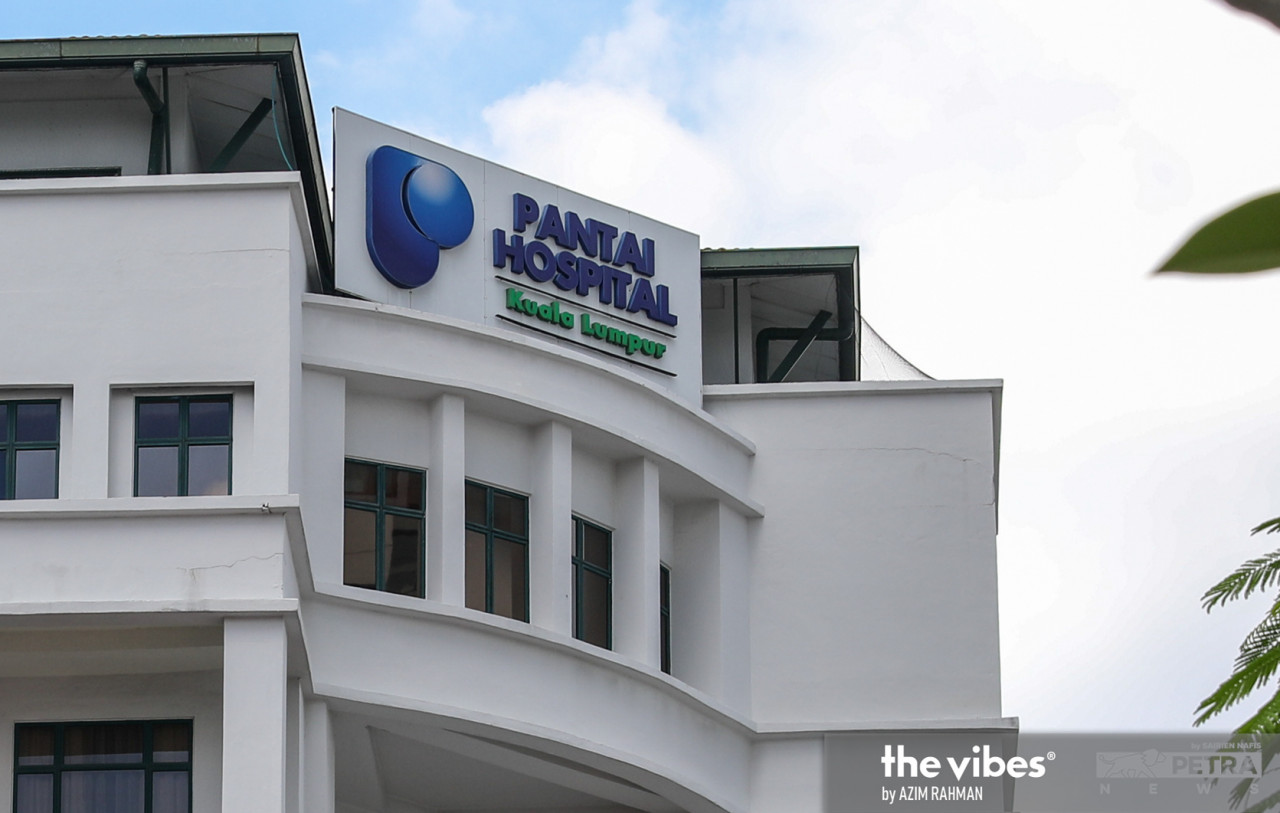
Pantai Hospital Kuala Lumpur (PHKL), meanwhile, has established a home-assessment team to monitor category 1 and 2 Covid-19 patients undergoing home quarantine.
PHKL chief executive officer Erica Lam said the hospital also has a special ward fitted with respiratory support equipment for Covid-19 patients referred by government hospitals. It also has a special ambulance to transport Covid-19 patients.
“As part of the ‘joint venture’ between private and public hospitals, PHKL is also willing to accept non-Covid-19 cases to assist government hospitals to deal with medical cases whose treatments have been delayed. Cancer and heart patients who need further treatment can be referred to PHKL,” she said, adding that these measures will enhance government facilities’ capacity to treat more serious Covid-19 cases. – Bernama, January 27, 2021