KOTA KINABALU – There are fresh calls to re-establish a federal-state intergovernmental committee (IGC), as resentment grows over Putrajaya’s control of revenue collection.
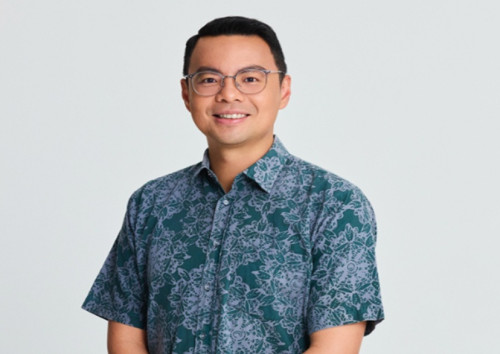
Tuaran MP Datuk Seri Wilfred Madius Tangau said the time is right to set up “IGC 2.0”, similar to the one established in 1962 before the formation of Malaysia, to renegotiate the terms of revenue collection between Putrajaya and states.
Unlike the panel involving Sabah, Sarawak, the Federation of Malaya and Singapore back then, he said, this time, all peninsula state leaders should be part of the new committee.
“What I am proposing is the formation of IGC 2.0. We need to discuss the matter to resolve states’ growing resentment at federal control of most of the revenue collection,” he told a webinar, titled “Income tax revenue for states, too: Can Malaysia learn from Indonesia?”.
Also participating in the discussion were Penang Chief Minister Chow Kon Yeow, Selangor exco Datuk Teng Chang Khim, and Ideas CEO Tricia Yeoh and manager Sri Muniarti.
Madius said the formation of IGC 2.0 will help resolve the issues that states have with Putrajaya, pointing to Indonesia, where the renegotiation of the terms of revenue collection led to the end of secession movements, including in Aceh.
He said the unfair redistribution of revenue has left states like Selangor and Penang feeling short-changed.
The federal government has authority over the collection of taxes, as well as wealth from natural resources, leaving states with limited options to collect revenue.
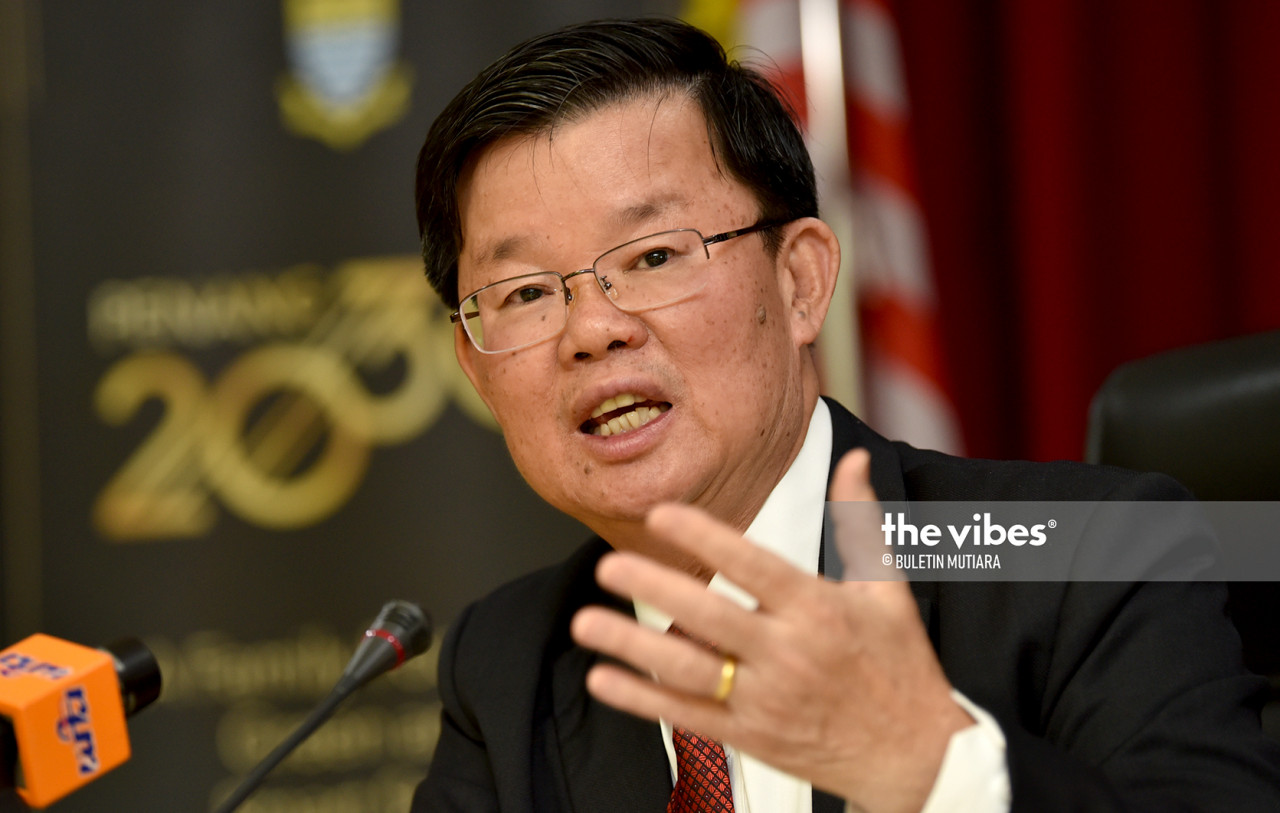
Earlier, Chow said the lack of development funds from Putrajaya has crippled many projects in Penang, and the state is unable to take up loans, issue bonds and raise funds as these areas are controlled by the federal government.
“The situation has left states being overly dependent on Putrajaya for funds for development. States need to have their own funds to carry out development.
“States are often left with no choice but to tap their natural resources, such as logging, which adversely impacts the environment.”
Teng said Selangor has contributed 24.2%, or RM55 billion, to the national gross domestic product, but receives only RM2.4 billion annually as a grant.
With regard to the Environment Department, he said Selangor has seen several cases of river pollution, but the department does not have the resources to clean up the affected waterways.
It is the state that ends up undertaking clean-up works, not the federal government, he said.
He added that it is high time for the devolution of powers, to give more executive powers to states to handle their own affairs. – The Vibes, February 10, 2021