KUALA LUMPUR – With less than three days before his akad nikah (solemnisation) ceremony, a Muslim groom said he is in the dark on the new standard operating procedures (SOPs) for tying the knot, after the government loosened some restrictions yesterday.
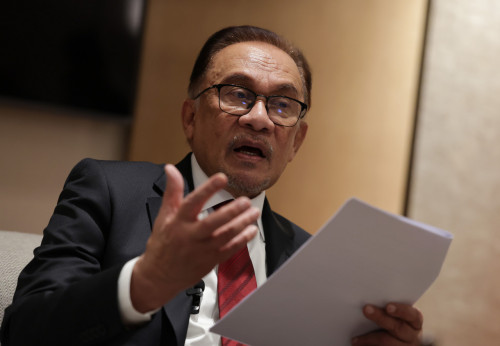
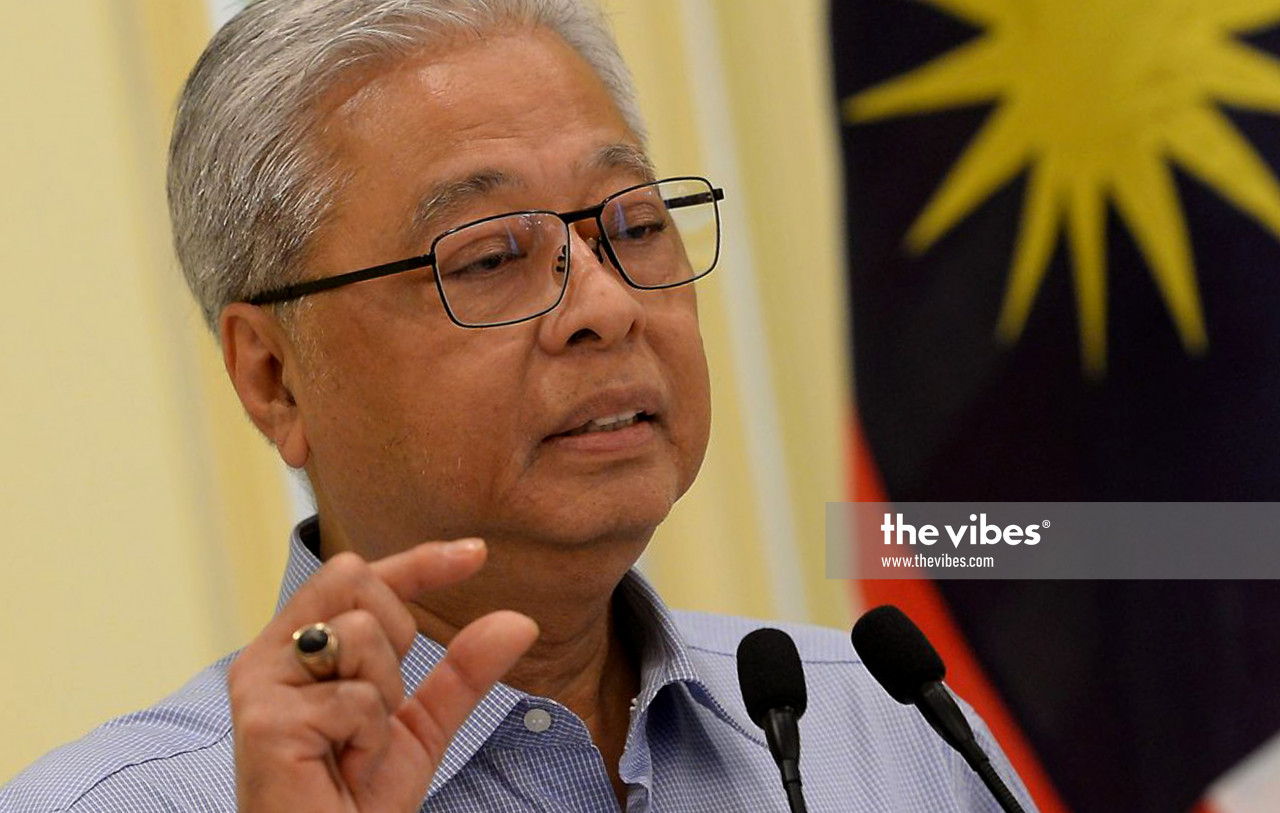
Yesterday, Senior Minister (Security) Datuk Seri Ismail Sabri Yaakob said akad nikah ceremonies in movement control order (MCO) areas will be allowed in religious offices and mosques, with up to 20 people in attendance, while in conditional MCO and recovery MCO areas, such events are allowed at half-capacity, so long as attendees observe the 1m physical-distancing rule.
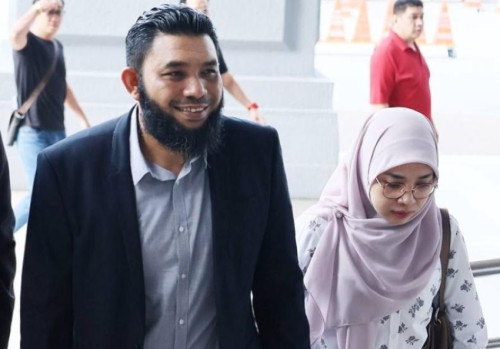
The groom, who identified himself only as Alim, told The Vibes that the latest flip-flop meant he will need to make major changes to prior arrangements, now that more people are allowed to attend the ceremony.
He said he now feels a rush to invite other close family and friends to attend his big day.
“The announcement may have made it easier for me to have more guests, but I am afraid the new guidelines and protocols may not be in time for my akad nikah to ensure we are really complying with safety measures.”
Earlier this month, the Federal Territories Islamic Religious Department (Jawi) announced it would allow akad nikah ceremonies for Muslims at mosques here, in Putrajaya and Labuan.
Alim said prior to Ismail Sabri’s announcement, he was told that a maximum of six people were allowed at the location of the akad nikah at any one time
“I was told by a jurunikah (marriage official) that the small group will only include the couple, the bride’s wali (custodian), two other family members, and a photographer.”
On February 7, Jawi issued a set of guidelines for akad nikah ceremonies taking place during the MCO.
Other than relevant marriage laws and the Prevention and Control of Infectious Diseases Act 1988, the document noted that the SOPs are based on instructions by the National Security Council (NSC) and the Health Ministry.
General conditions to allow the akad nikah to take place include the obtaining of marriage approval from Jawi, as well as HIV test results that are within the validity period at the time of the ceremony.
Those from outside the Federal Territories are also allowed to get married by first gaining approval from their respective state religious authorities.
Muslim couples wanting to get married are required to make an appointment with Jawi here, in Putrajaya or Labuan to set a time and date for the ceremony.
The ceremonies must only take place in mosques in the Federal Territories.
The limited number of attendees must also not have any Covid-19 symptoms, cannot be a close contact of an infected person, nor be from an area under the enhanced MCO. The timeframe for each ceremony is set at a maximum of 20 minutes.
The bride, groom and bride’s custodian must undergo swab tests and the results must be presented to officials before the ceremony can be carried out.
Alim said the swab tests are not compulsory for Jawi officials overseeing the ceremony.
He was also perplexed as to why Jawi only allowed two witnesses to be appointed by the mosque, and not among family members or friends.
“It makes no sense as the witnesses could be exposed to the virus from other wedding groups.”
However, with the new SOPs, he is unsure if the witnesses still needed to be from Jawi.
He said while he understood the reasons for having strict SOPs and limited number of guests, religious authorities could improve their methods of conveying information, such as giving illustrations of how ceremonies should proceed.
“This will help us avoid confusion on the day, and to ensure we abide by the SOPs.”
The Vibes has reached out to Jawi for comment and has yet to receive a response at press time. – The Vibes, February 19, 2021