
KUALA LUMPUR – Many in the legal fraternity are applauding the landmark decision today by the Federal Court that declared Section 28 of the Shariah Criminal Offences (Selangor) Enactment 1995, which prohibits unnatural sex, unconstitutional.
Former Malaysian Bar chairman Ragunath Kesavan said this judgement clarifies the constitutional position between federal and state laws.
“As it (unnatural sex) is a Penal Code offence, and therefore, under the jurisdiction of federal law and Parliament, states cannot legislate on such matters,” he told The Vibes.
When asked if this judgement leaves similar provisions in other states open for challenge, Ragunath said it is only possible if the offences are also crimes under the Penal Code.
“For example, zina (adultery) and khalwat (close proximity) are not Penal Code offences, so those can be legislated under shariah law.”
Meanwhile, lawyer Kuhan Manokaran praised the apex court’s decision, seeing that it confirms Parliament powers to enact criminal laws that are consistent with the Ninth Schedule of the federal constitution.
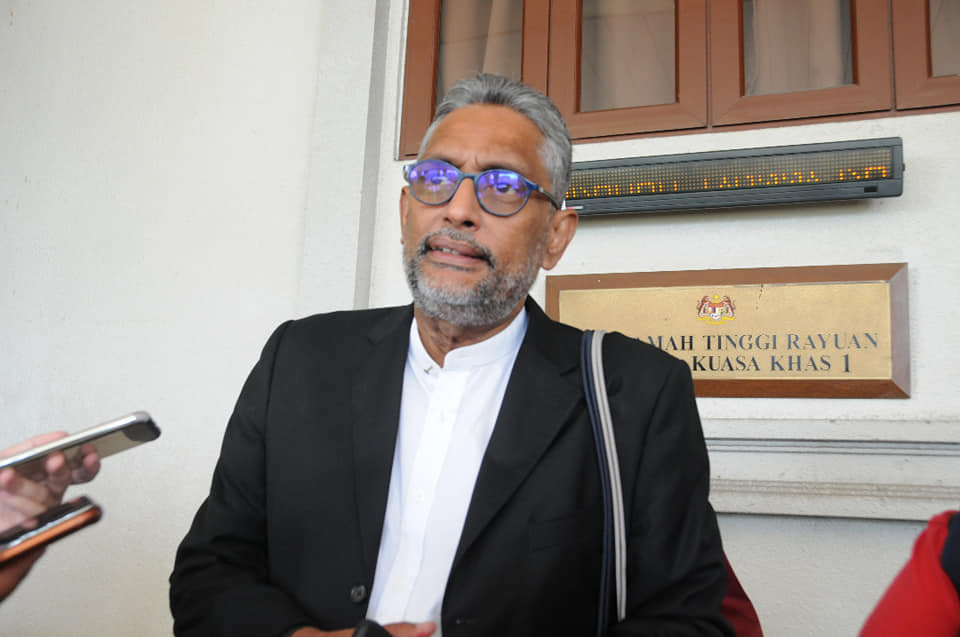
“With regard to Islam, the state has powers to enact laws related to Islamic issues, but it is limited to certain matters,” Kuhan told The Vibes.
He added that unnatural sex remains a crime, although any state law contradicting today’s judgement is essentially null and void.
Opening doors to shariah law challenges
Not everyone in the legal fraternity, however, agrees with the judgement.
The Society of Syariah Lawyers (PGSM) said the Federal Court judgement has resulted in a huge implications to the authority of shariah laws in the country.
“This means that state enforcement agencies do not have powers to amend or legislate matters relating to shariah offences if there are similar laws enacted by Parliament, although the offence contravenes Islamic principles,” PGSM president Musa Awang said in a statement.
He added that the decision will open up opportunities for challenges to other criminal shariah provisions.
“The decision also provides an early picture that closes the door to recommendations related to hudud and qisas. This is because hudud laws against stealing, robbery and murder also exist under the Penal Code.”
Between consenting adults
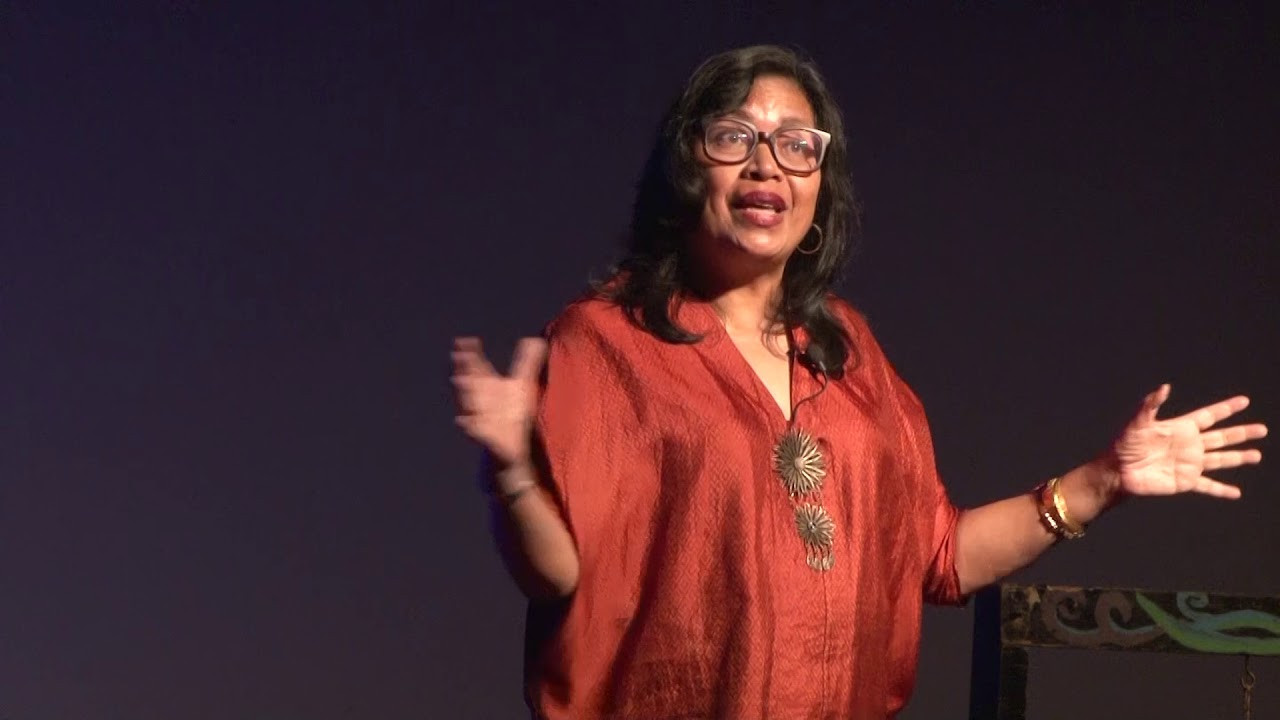
Meanwhile, rights activist and former executive director of the Women’s Aid Organisation (WAO) Ivy Josiah said unnatural sex acts, such as anal or oral sex, is a personal matter between consenting adults.
“In my view, within a human rights framework, we should review the Penal Code and remove all these so-called acts against nature. Anal or oral sex between consenting adults should remain a private matter and not a criminal act,” she told The Vibes.
But with regard to today’s judgement, she said crimes should remain a federal matter to ensure that penalties are equally imposed, irrespective of faith.
Andrew Khoo, Malaysian Bar human rights committee co-chair and 2013 Suhakam winner, said the decision does not decriminalise unnatural sex.
“It clarifies that, since this act is already criminalised in federal law, in the Penal Code, Selangor shariah laws cannot legislate it.”
On possible challenges to other shariah provisions, he said that the Federal Court was clear that each law will be considered on a case-by-case basis.
Today, the Federal Court ruled that Section 28 of the Selangor legislation is unconstitutional and void.
This is due to the fact that state powers to legislate shariah offences are limited by the federal constitution. Thus, state legislatures cannot legislate matters that are of a federal nature, it ruled. – The Vibes, February 25, 2021