
KUALA LUMPUR – Despite the relief that comes with receiving the Covid-19 vaccine, the public should still exercise caution when receiving the shot at clinics.
This is because, in the case of an allergic reaction resulting in anaphylactic shock, it may not have the required equipment or facility to deal with the patient.
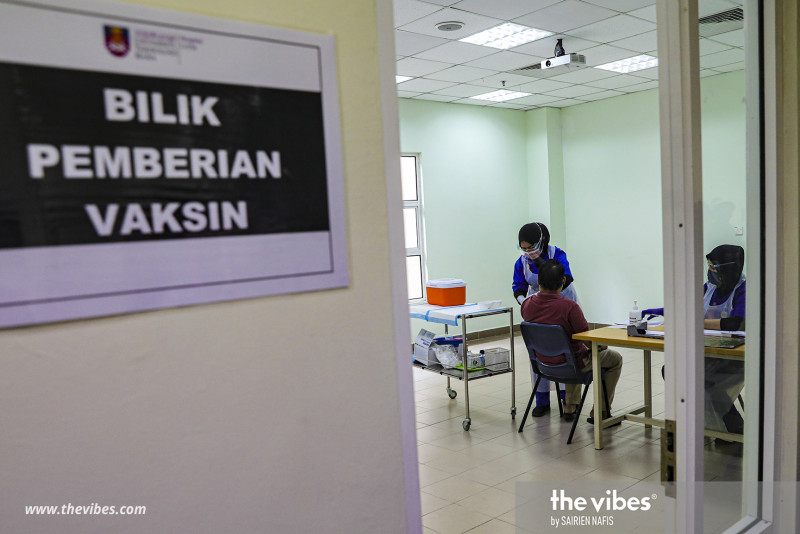
Pantai Hospital immunologist and allergist Dr Amir Hamzah Abdul Latiff told The Vibes that clinics could also become overcrowded because those in the low- and medium-risk groups would have to wait between 15 and 30 minutes after their injections to ensure there are no allergic reactions.
“This is why I don’t think it’s wise to allow normal clinics to administer the vaccines.
“If the patient experiences anaphylactic shock, they (the clinics) may not have the equipment or facility to deal with them.
“In the worst-case scenario, someone with a severe allergic reaction would need emergency care, and a normal clinic may not be equipped to save the person’s life.
“At the same time, because the low- and medium-risk groups have to wait for 15 to 30 minutes after their injections, the clinic could quickly and easily become overcrowded,” said Dr Amir.

The World Health Organisation estimates that one in every 200,000 dosage may trigger an allergic reaction.
With Malaysia aiming to vaccinate 26 million people, this would mean about 130 people may have severe reactions to the vaccine.
Check your medical history
Dr Amir also reminded those receiving the vaccine to check their medical history.
“You need to ask yourself if you have had any (adverse) reaction to injectable drugs or vaccines in the past.
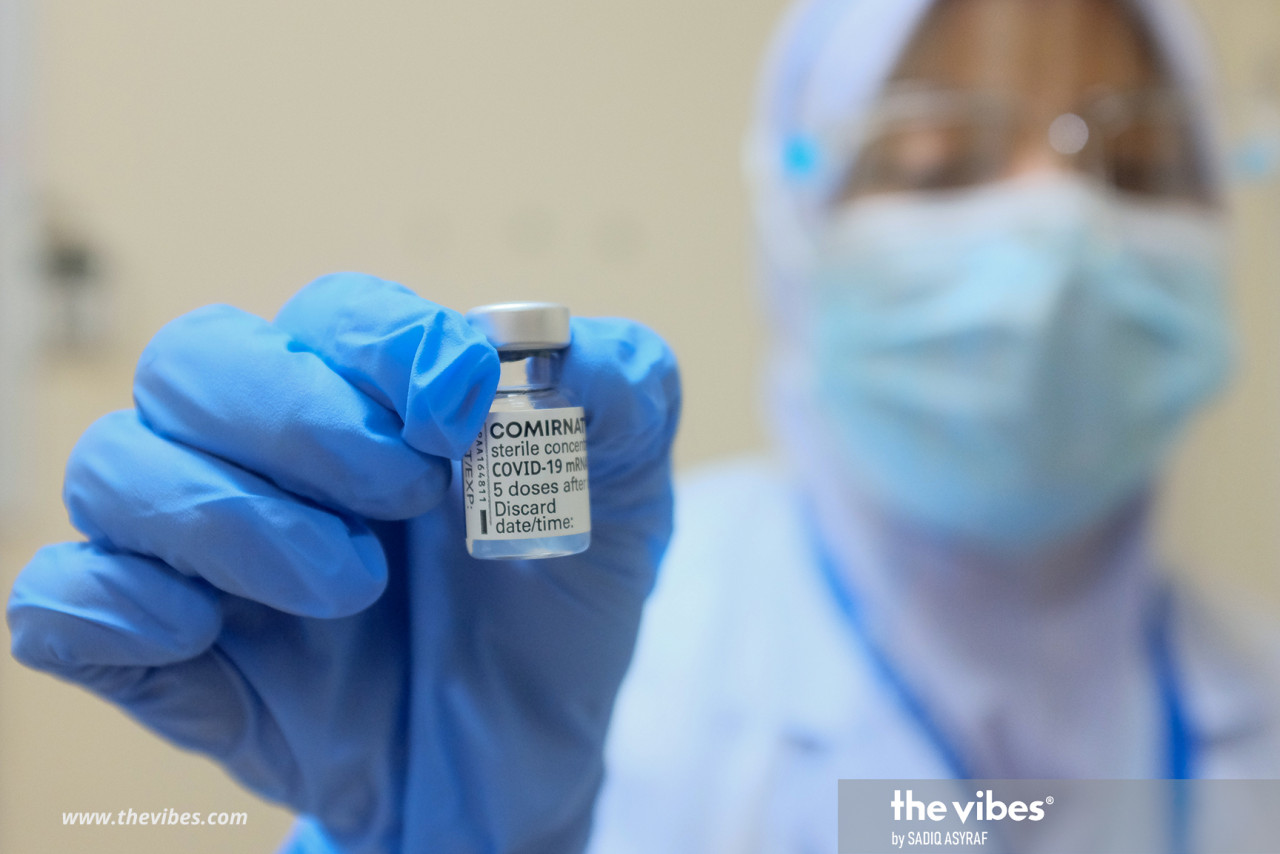
“If the answer is yes, then we need to check if you are allergic to polyethylene glycol (PEG), which is an ingredient in the Pfizer-BioNTech mRNA vaccine.
“If you are allergic to it, then there is a need for further assessment.
“You may need to take vaccines that are without PEG.

“Another ingredient is polysorbate, which is commonly used in vaccines for hepatitis, influenza and pneumococcal (disease).
“If you have had an allergic reaction to these, you may also be at risk.
“If you have had a problem with influenza vaccines in the past, you have to inform the healthcare professional of your adverse reaction.
“You should probably say no straight away; you have the right to say no.”
Those under the high-risk category may suffer from anaphylactic shock, which could lead to death, and Dr Amir advises that it is safer for them to avoid taking the vaccine.
Those in the medium-risk category are people who have had a history of severe allergic reaction (anaphylaxis) to an injectable drug (intravenous, intramuscular, or subcutaneous).
They also include those with a history of anaphylaxis due to a previous vaccine that does not contain PEG, a polysorbate, or polyoxyl 35 castor oil.
The medium-risk group also includes those with a history of anaphylaxis to food, drugs (non-injectable), venom, latex and those with a history of idiopathic anaphylaxis.
Meanwhile, the low-risk group comprises those with a history of allergic (non-anaphylaxis) reaction to food, drugs (non-injectable), venom, latex as well as a history of any prior reactions to previous vaccines except anaphylaxis reaction.
This group also includes those with mastocytosis (or mast cell activation) and anyone with allergic asthma or allergic rhinitis.
Individuals in the medium- and low-risk groups should not leave the medical facility for at least 15 minutes (for the low-risk group) to 30 minutes for medical observation.
MySejahtera shortcoming
Meanwhile, Dr Amir also voiced concern about the MySejahtera vaccine registration form, which does not inquire on allergic reaction.
He said that the app should ask the public to reveal if they have had any allergic reaction to any injectable drugs or vaccines, as this could be an immediate red flag for medical practitioners administering the vaccine.
“If they recognise this, it would make life easier for everyone.
“Those with allergies will be identified immediately and medical professionals can narrow it down and find out which risk category they belong to.
“We can then test their allergic reaction and set them aside instead of giving everyone a blanket injection,” said Dr Amir. – The Vibes, March 4, 2021