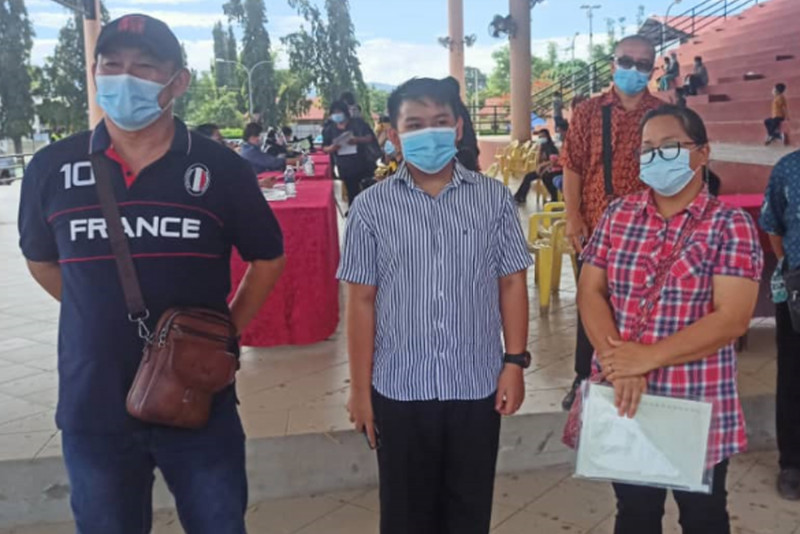

KOTA KINABALU – Ignorance by parents remains one of the key factors in the late registration of births, in both rural and urban Sabah areas.
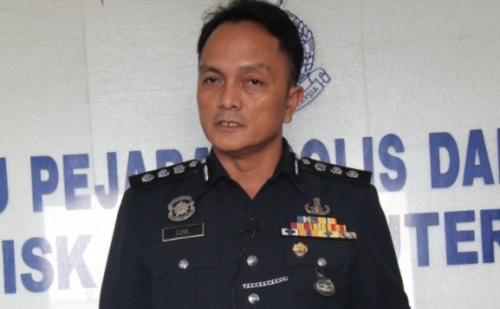
That is the opinion of Petrus Lee, a mobile court operations officer in the state, on the long-standing problem.
“Parents’ ignorance of the need to register the births of their children is one of the contributing factors. Another is parents’ attitude,” he said in an interview with The Vibes at the Urban Mobile Court programme to hear cases of delayed birth registrations in the district, at the Tuaran Sports Complex recently.
“For example, here in Tuaran district, there are National Registration Department offices, there is a hospital, and clinics as well – so, such things as the late registration of births in urban areas are not supposed to happen, but they still do.
“This problem exists not only in Tuaran, but in other areas of the state as well.”
He said parents are given 42 days to register their newborns, which should be more than enough time.
However, there are genuine cases of late registration involving villagers in remote areas and those who face economic hardship. Most of these people cite the cost of transportation as a major factor.
“In Pensiangan, for example, it could cost them RM20 per person for boat fares to reach Salung by river. From Salung, they would have to take another trip by road, costing RM30 per person, to the nearest town. So, that’s already RM50 for them (one way). For a rural villager, RM50 is a big amount,” said Lee.
He said the court can process only 38 cases of late registration due to the government’s Covid-19 standard operating procedures.
The mobile court programme has been held since 2007, but because of the pandemic, it was stopped in March last year and resumed only last month.
Lee said there has been strong public demand for the programme.
As of December 31 last year, a total of 93,799 cases of late registration – usually related to remote areas – were facilitated by mobile courts.
A tedious, complicated affair
One of these cases is that of Richard Justin,13, from Kg Sg Batangan, Tuaran, who was accompanied by his mother, 50-year-old Minah Akauchong, and two other witnesses.
Minah said Richard is her sixth child and the only one among his siblings to be registered late.
“Three days after returning from the hospital after giving birth to my son, I asked his father to register him. I informed him that if Richard’s birth was registered late, there could be problems in the future.
“But, he still did not do it. It was only a month later that he went to register the birth. By then, it was already considered a late registration.”
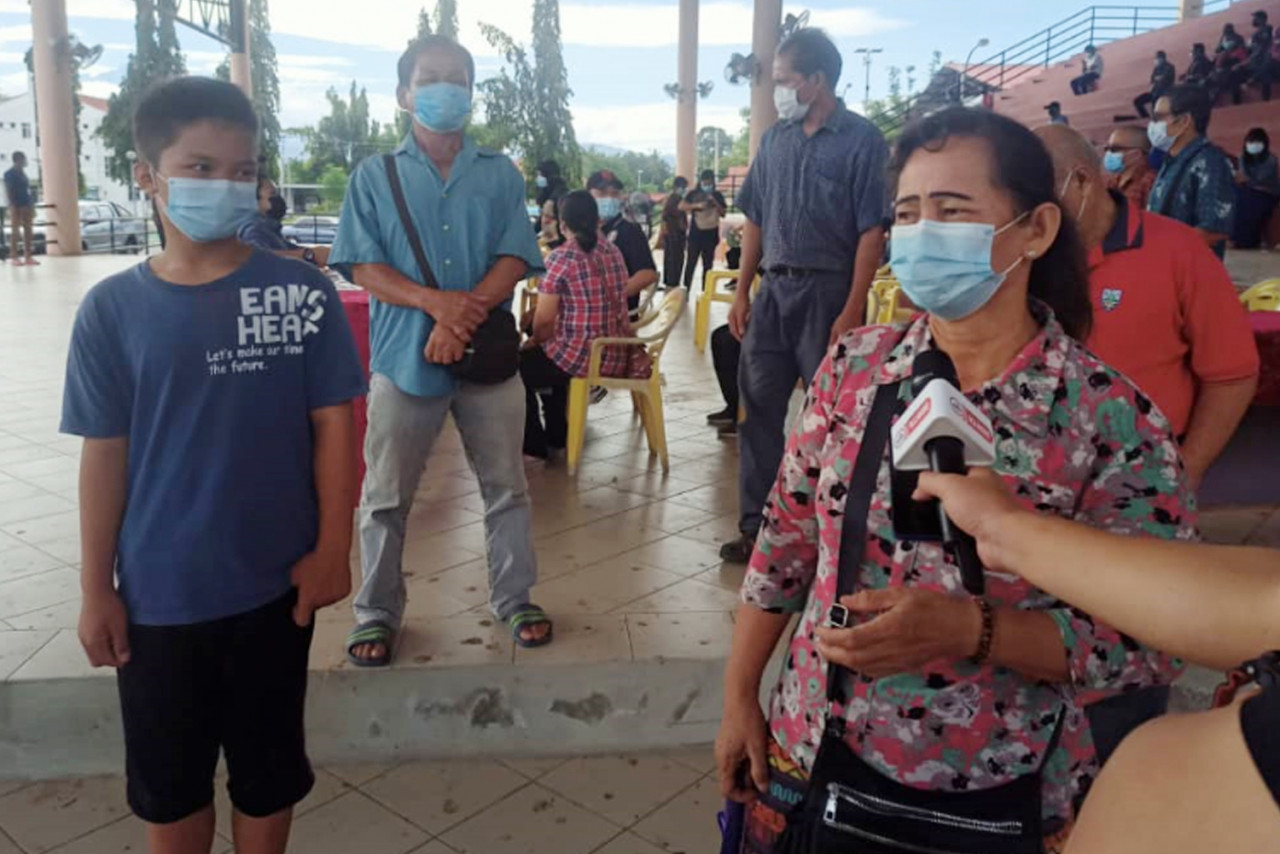
Minah said she previously tried to arrange the registration with the authorities, but it turned into a complicated affair.
“They asked too many sensitive questions regarding my son, and wanted this document and that document – but I also understand, as they just wanted to be sure that illegals were not trying to register their children as Malaysians by using locals.”
Another applicant is Randall Odrich, 13, who came with his father, Romeo Chris Lee, 47, from Kg Togop, Tamparuli.
Romeo said when his eldest son was born, he was working in the peninsula and unable to return in time.
“As such, I was unable to register his birth in time. Unfortunately, not everyone can be expected to drop everything in the peninsula and rush home to Sabah on short notice just to register their child’s birth in time, as there are many costs involved.”
He praised the work carried out by the mobile courts, saying the staff are professional in their duties and understanding of the issues faced by the people, especially in rural areas.
“This is a good programme that has benefited many Sabahans greatly, especially those in rural areas. It is my hope that the government will continue this programme to assist Sabahans in need.”
The mobile court initiative was introduced in 2007 to hear cases, provide legal services and assist in applications for personal documents in rural areas. Its purpose is to help marginalised and vulnerable groups, particularly those living in the state’s interior, obtain important documents, such as birth certificates and identification cards.
When the idea was mooted by then chief justice of Sabah and Sarawak Tan Sri Richard Malanjum, it was envisaged that the mobile courts would provide the same services as those of regular courts. – The Vibes, April 4, 2021