KUALA LUMPUR – Malaysia’s human rights observance has taken a toll since last year, as Amnesty International cited, in its annual human rights report for 2020-2021, investigations on human rights activists and government critics, mass raids against undocumented migrants, and the pushback of refugee boats as having contributed to a deterioration of human rights.
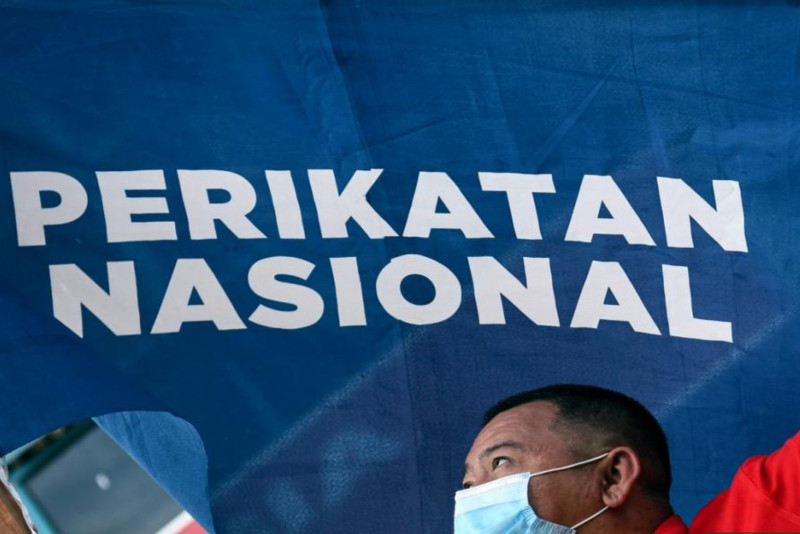
It said human rights reforms, including the formation of an independent police oversight commission and the abolition of the mandatory death penalty, were stalled under the new administration, i.e. Perikatan Nasional which wrested power in March 2020.
“The government response to the Covid-19 pandemic was harsh on refugees, asylum seekers, and migrant workers,” the report said.
“Immigration raids, involving arrests and detentions, were conducted in areas with high migrant populations amid rising xenophobia.
“A Covid-19 outbreak emerged in immigration detention centres, with over 600 people infected.
“Authorities turned away Rohingya refugees arriving in boats or detained them in overcrowded facilities.”
It said the navy turned back a boat carrying hundreds of refugees, including women and children, in April 2020.
“That month, another boat with hundreds of Rohingya refugees aboard that was allegedly turned away was accepted by Bangladesh authorities,” it added.
“While the government permitted two boats to land in April and June, the refugees were placed in detention. Some were charged under immigration law and sentenced to prison and caning sentences before the latter punishment was overturned."
The report said that besides refugees and migrants, indigenous communities remained under threat from logging and mining, and LGBTI people continued to face discrimination.
The report cited Islamic Affairs minister Datuk Seri Zulkifli Mohamad Al-Bakri as saying in a statement that religious authorities had “full licence” to arrest and “rehabilitate” LGBTI people in July 2020.
“In September (last year), one of 11 men charged for ‘attempted sexual intercourse against the order of nature’ in 2019 filed a judicial review against the law, which criminalises same-sex sexual conduct. The case was ongoing at year-end 2020.”
Human rights defenders, Amnesty added, also faced investigation and prosecution, most commonly under Section 233 of the Communications and Multimedia Act (CMA).
“In March, activist Fadiah Nadwa Fikri was investigated for a social media post calling for demonstrations against the change in government. Fadiah and 18 other activists were later investigated for failing to provide notice for a protest.”
The report pointed out that 262 sedition investigations were reported from January until May 2020 while 143 cases were opened under the CMA.
It pointed to PKR’s Kuala Langat MP Datuk Xavier Jayakumar being investigated under sedition laws in June 2020 after criticising the government for not convening a full parliamentary session. Xavier left opposition PKR last month to become an independent in support of the PN government.
Also in June 2020, radio personality Patrick Teoh was charged under sedition laws for a social media post allegedly insulting the royalty, it noted.
“In July, (2020) a man was sentenced to 26 months in jail for social media posts deemed insulting to Islam. Steven Gan of news website Malaysiakini was charged with contempt of court over reader comments.
“The government also investigated journalists from the Al Jazeera news channel and the South China Morning Post newspaper for separate reports on the treatment of migrants under the Covid-19 lockdown.”
It also cited the authorities charging five union activists with violating the movement control order after they had held a peaceful demonstration protesting unfair labour practices, union busting, and insufficient personal protective equipment for hospital workers.
“The charges were later dropped by a court,” the report said.
Additionally, the report stated that following the change in government, activists including Bersih chairperson Thomas Fann, Centre to Combat Corruption & Cronyism executive director Cynthia Gabriel, and Suaram executive director Sevan Doraisamy faced similar investigation and scrutiny from the authorities.
“In July (2020), police investigated Heidy Quah, founder of the NGO Refuge for the Refugees, after she posted an account of dire conditions in immigration detention centres.
“Quah also received threats online, highlighting a worrying trend for human rights defenders, especially women, who faced harassment and sometimes had their personal information made public.” – The Vibes, April 7, 2021

.JPG)