


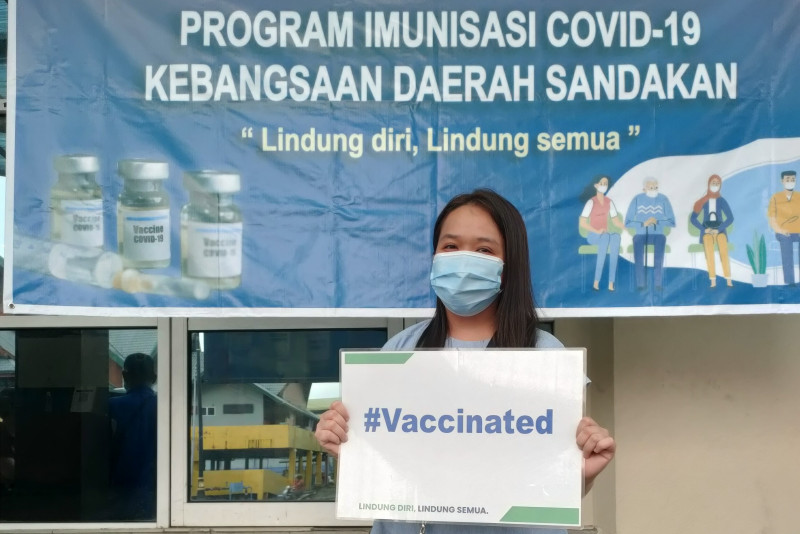

SANDAKAN – I was at home, working, on a Friday, when I got a call from the state Health Department asking if I was available to receive the Covid-19 vaccine at the Sandakan Community Hall immediately.
I was taken aback as I did not expect my turn to come so soon.
So, I went to take the first dose of the vaccine, and was told that I got the Pfizer brand. I was happy because Pfizer has the most coverage.
Medical personnel at the centre told me that they had opened a thermal container, so all the vialled vaccine doses inside it must be utilised immediately.
“No vaccine can go to waste, not even one,” a nurse told me.
Several scheduled recipients had to cancel their appointments due to time constraints, while others had high blood pressure and were scheduled to return another day, the nurse added.
As I was a last-minute recipient and one of the final few of the day, I was grouped with five Civil Defence Force personnel, who also did not expect to be vaccinated that day.
They were laughing at one of their friends who seemed nervous. I was sitting near this poor man, whose neck was slick with sweat and whose legs were shaking.
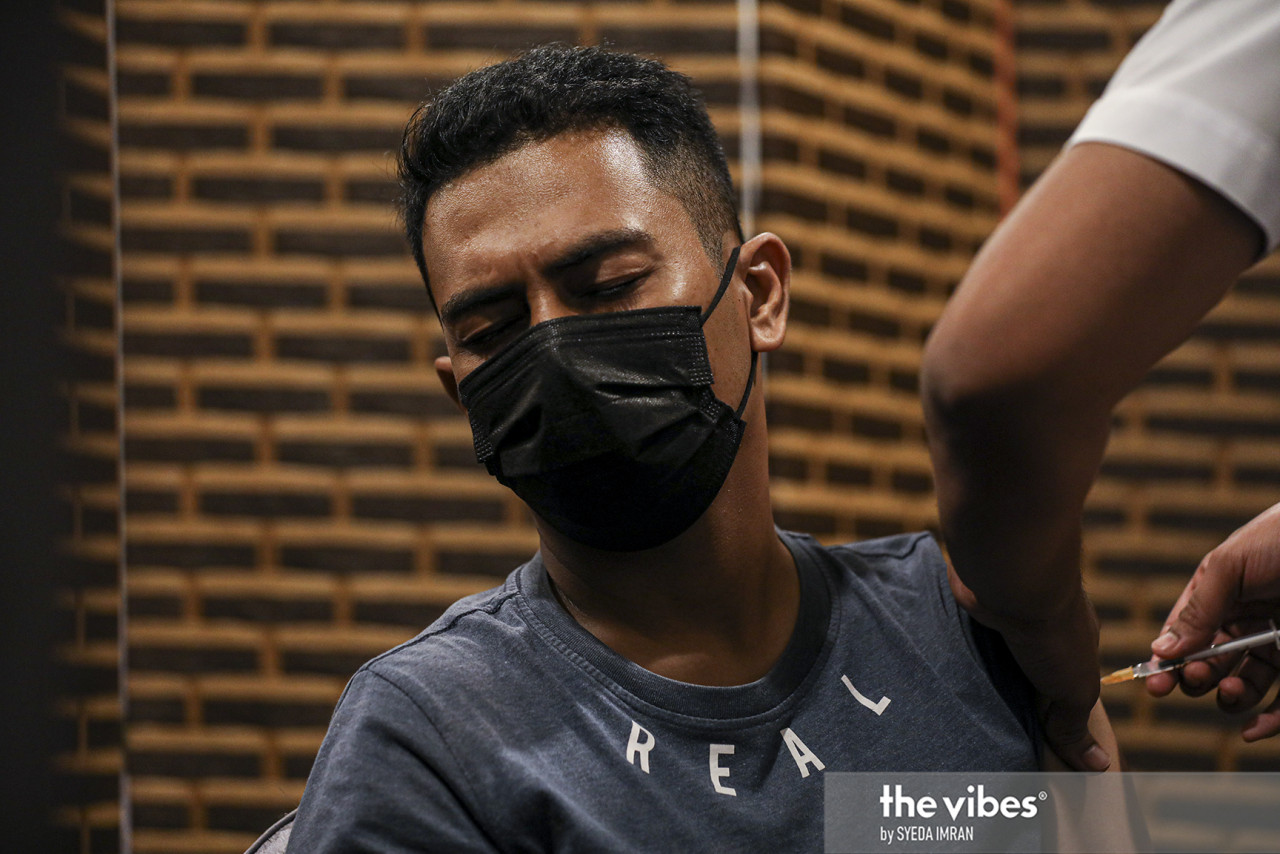
“Don’t laugh at me,” he told his friends, “I am trying to shake off my fear.”
I asked whether he was nervous, to which he replied, “I don’t like needles”.
After all of us got our jabs, the man looked relieved, and his friends were relieved that he did not run away during the process.
My friends had warned me that after the jab, I would feel hungry and sleepy, and there would be a slim chance of fever.
However, luckily for me, I did not experience any side effects other than a sore arm for the next couple of days.
I received my second vaccine dose last Friday, exactly three weeks after the first dose.
This time, I was grouped with other recipients, including first-timers, most of whom were senior citizens.
Many elderly folk, especially those who had difficulty walking, were accompanied by their children.
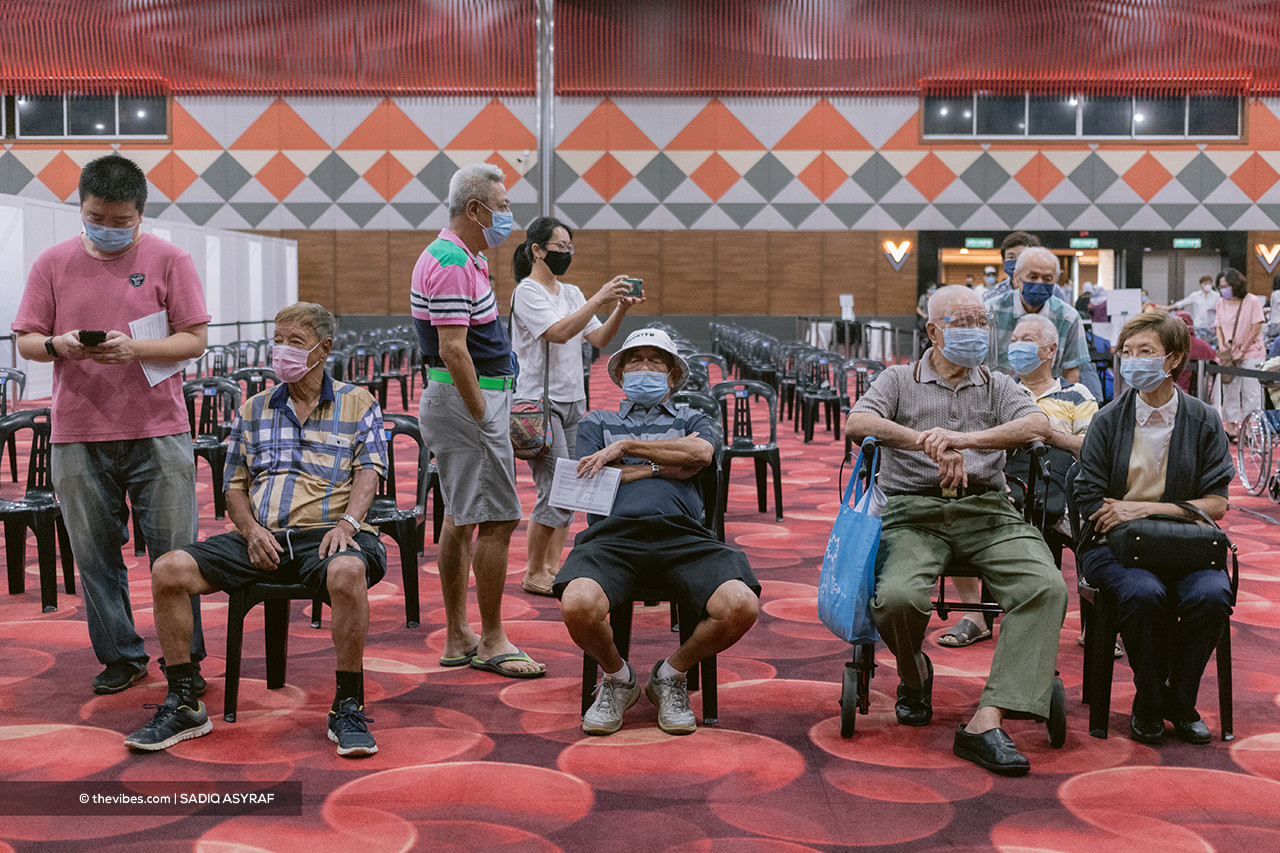
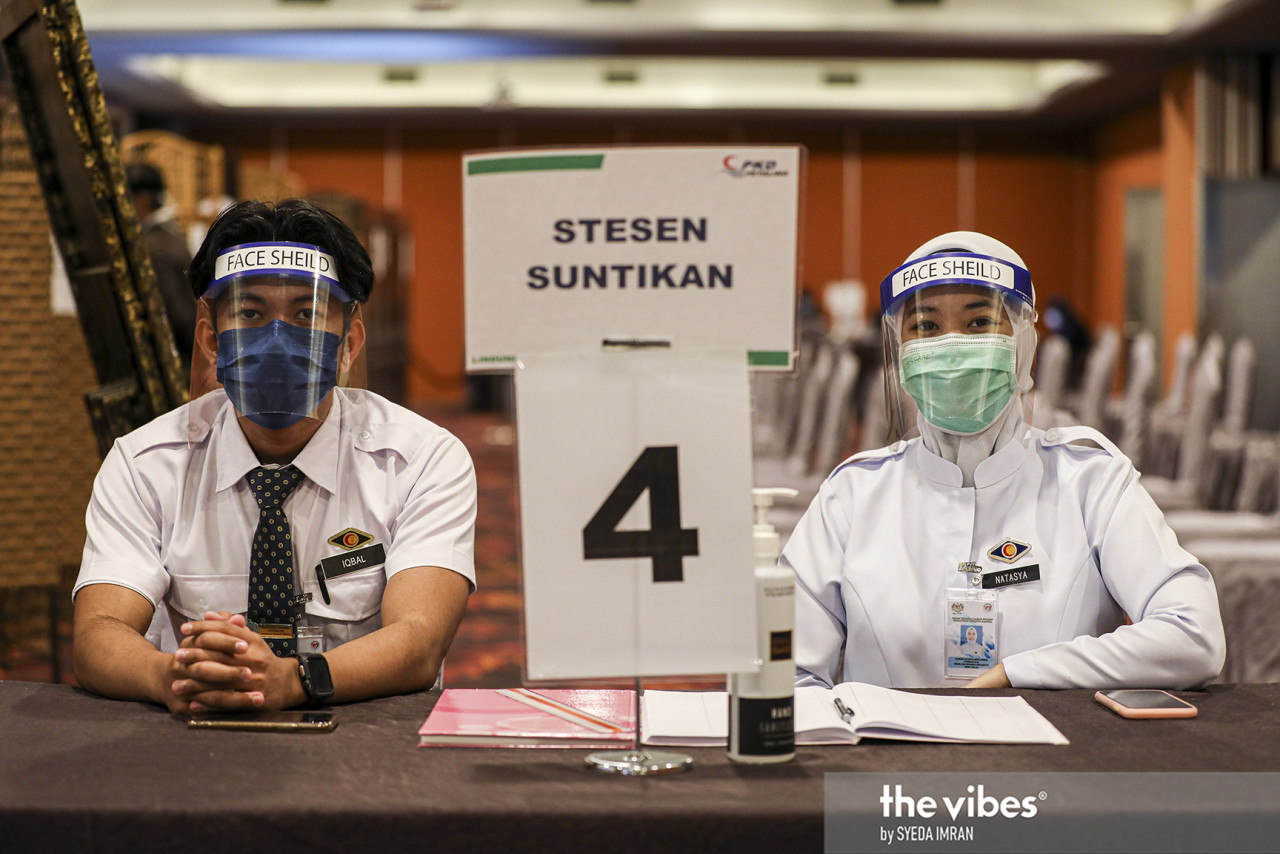
The process was smooth. It involved stopping at four counters for health personnel to key my data into the system, with me waiting for my turn before approaching each counter.
The personnel were calm and professional, and had familiarised themselves with the queuing system.
No photos were allowed in the vaccination room, and nurses would close the curtain if the recipient was a Muslim woman.
When I was getting my jab, I had a chat with the nurse.
Should I be concerned if I do not experience any side effects, I asked her, as people have been telling me that it means the vaccine does not work on me.
“Don’t listen to them,” she replied.
“If you don’t experience side effects, it means that you have a good immune system.
“There is no such thing as ‘no side effects mean no vaccine’.
“Then what am I injecting, water?” she joked.
As with the first dose, I was asked to wait 10 minutes to observe my body’s reaction after taking the shot.
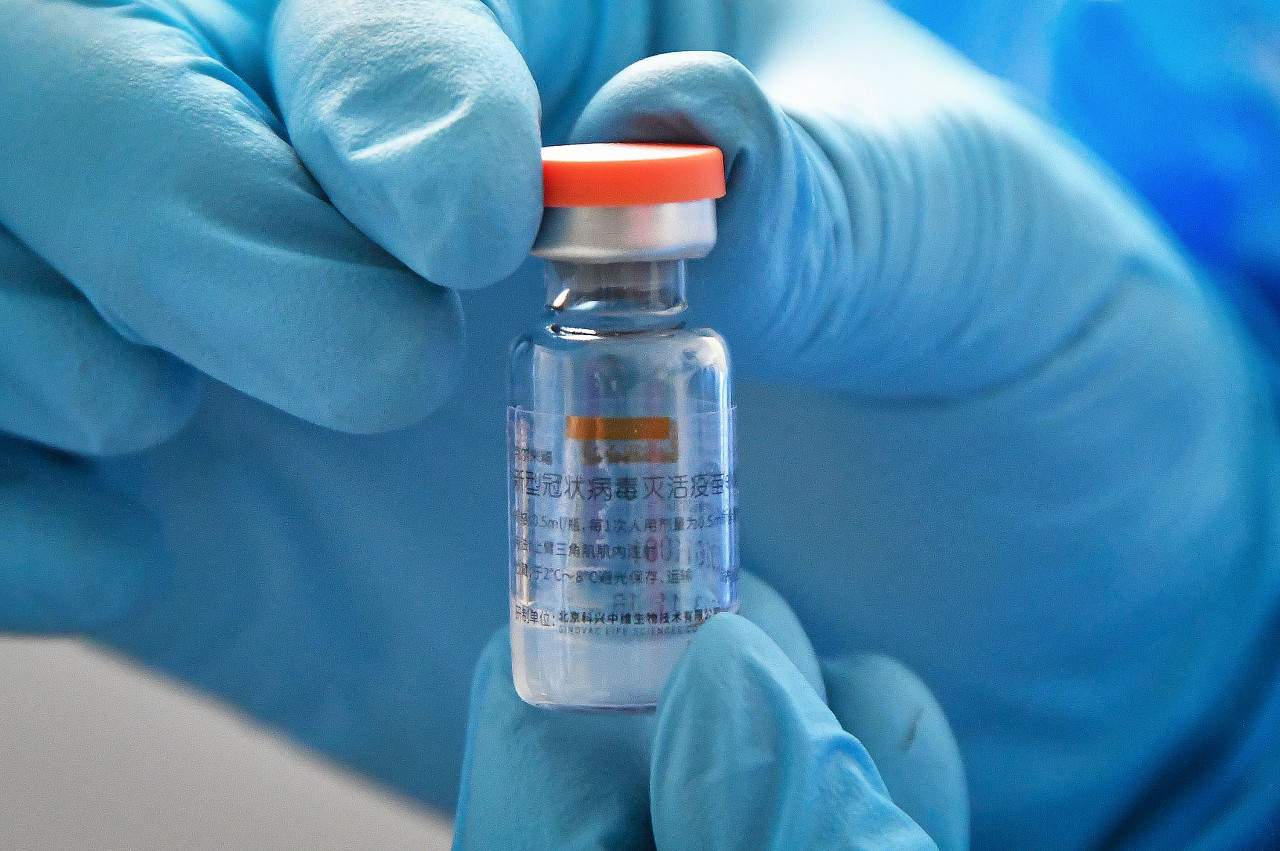
While waiting, I overheard two old Chinese folk talking to each other, saying that they were unlucky to be getting the Pfizer vaccine instead of Sinovac.
When I asked them why they felt that way, they said Sinovac is from China, and that they heard the brand has the fewest side effects.
Before I am allowed to leave, I needed to stop at one last counter to update the information in my MySejahtera app. It would immediately show that I had completed my vaccination.
A couple of hours after I got the second dose, I felt very sleepy, as though I had not slept for 24 hours.
I napped for about two hours, but when I woke up, I felt like I had fallen into a deep sleep far beyond the couple of hours.
I was also lethargic for the rest of the day. However, I was back to normal the following day.
My arm was sore for a day, but it was not as uncomfortable as after the first dose.
As a journalist who is constantly exposed to the public, I now feel safer when working.
I still use hand sanitiser from time to time out of habit and take a shower immediately upon returning home from work, but I hope that my action of getting vaccinated will contribute to the country’s aim in achieving herd immunity.
Based on my experience, I believe the medical personnel here are handling the National Covid-19 Immunisation Programme professionally.
They work as if they have handled the programme for years. They were friendly, helpful, and happy to answer questions.
I also found that there are people who are genuinely afraid of injections (trypanophobia). As such, we should not make fun of them, but instead support and understand their situation.
In my opinion, the main reason people refuse to take the Covid-19 vaccine is fear of its side effects.
Instead of telling people that getting vaccinated will reduce the chances of one getting infected with the coronavirus, the government should emphasise the low possibility of one experiencing serious side effects.
Push the “why you should not fear the vaccine” points, instead. – The Vibes, May 3, 2021
.jpg)
.jpg)





.jpeg)
