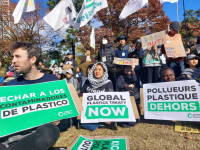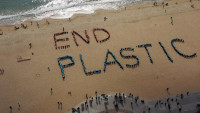

GEORGE TOWN – Several non-governmental organisations (NGOs) in Asia have urged their affiliates to unite in curbing the dumping of trash from foreign countries on their lands, especially in stepping up the campaign to stop the import of plastic waste.
The decision to unite the NGOs is for better, more effective results against the scourge of plastic waste, which threatens to damage the environment and water resources.
In a media briefing recently, they said that plastic waste exporters have lobbied countries such as Malaysia, Thailand, Sri Lanka and Vietnam, which have become the new favourite destinations for such waste.
The online event themed “Trash landing on you: uncovering the dirty business of the global waste trade affected communities” was jointly organised by the Global Alliance for Incinerator Alternatives (Gaia) Asia Pacific and #breakfreefromplastic.
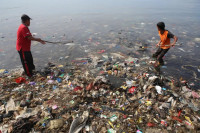
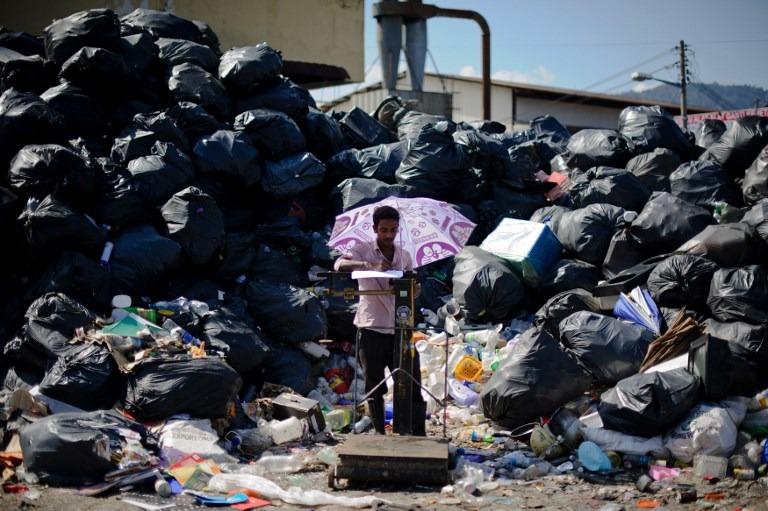
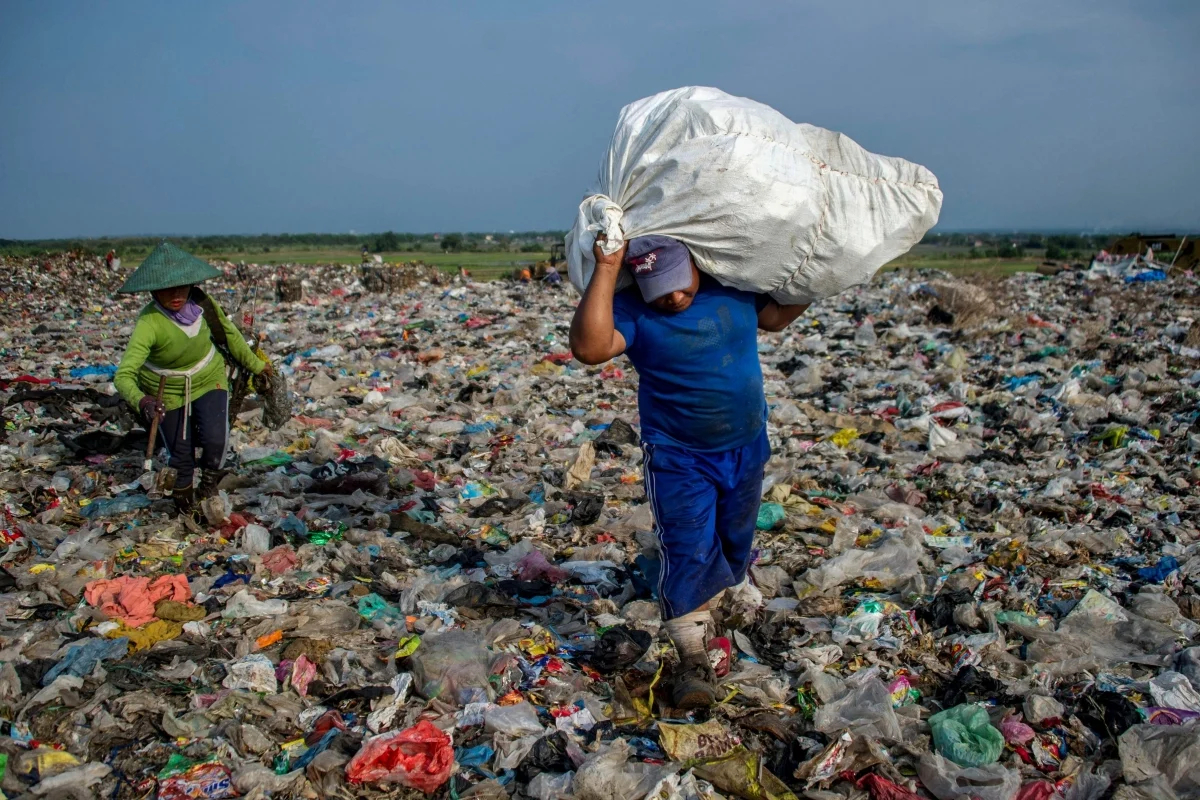
They said that most recipient countries lack proper waste treatment strategies and facilities, leading to open dumping or burning of waste materials, which adversely affect the health of local communities and the environment.
Although efforts have been put into place to stop the illegal trade of plastic waste, countries in the Asia-Pacific region continue to fight an uphill battle against a torrent of unlicensed and non-recyclable waste, they said.
Trade in plastic waste has persisted and even worsened, especially after China shut its doors to imported waste on January 1, 2018.
The speakers were Ray Yeung, campaign and communications manager of Green Earth Hong Kong; Mageswari Sangaralingam from Consumers Association of Penang and Sahabat Alam Malaysia; Hemantha Withanage, executive director of Centre for Environmental Justice in Sri Lanka; and Tina Ngata, an advocate of environmental, indigenous and human rights from New Zealand.
Deceptively labelled shipments
Yeung said that Hong Kong has been a major free port for plastic waste trade between wealthy economies and developing countries.
“However, Hong Kong has recently revised its policies and strengthened the enforcement of regulations, ensuring that traders have obtained necessary permits before the arrangement of waste shipment.
“Since the revision, the amount of re-exporting plastic scrap has dropped by over 70% between February and March this year,” he said.
Yeung urged the Environmental Protection Department to beef up its gatekeeping role.
“Hopefully, Hong Kong will no longer be a part of this illegal practice.
“We will closely communicate with our partners in the Asia-Pacific region, and will stay vigilant and keep an eye on inbound containers,” he added.
In May 2019, the Philippine government, pressured by calls from civil society organisations, sent back tonnes of mislabelled garbage to Canada.
Similarly, last year, Tunisia reportedly received containers of mixed municipal waste deceptively labelled by Italian company Sviluppo Risorse Ambientali as recyclables.
Malaysia issues approved permits
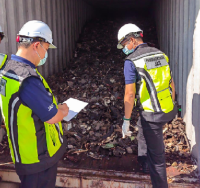
Mageswari said that in April, Malaysian authorities announced that over 300 containers of illegal waste were sent back to their countries of origin, citing the Basel Convention.
“Regulations are vital and acquiring informed consent from receiving countries is a favourable first step to restraining the onslaught of plastic wastes,” she said.
We need to plug the loopholes, besides ensuring robust monitoring and enforcement measures to tackle the illegal waste trade.
“We stepped up our campaign in 2017, when China decided to close its doors on waste from 2018, and we expected the global waste to land on our shores.
“The worst thing was that the government issued ‘approved permits’ for the import of plastic,” she said.
Hemantha said the plastic waste trade is a form of injustice and stressed that the Asia-Pacific region is not the world’s dumping ground.
“Laws are needed to address injustices,” he said. “In 2017, Singapore and Sri Lanka signed an agreement for Singapore to export its waste to Sri Lanka, and the latter was to treat 62 types of waste, including heavy metals.
“Singapore, which was seen as capable of handling its own waste, was actually unable to treat its own waste.
“The worst fear we have is China’s plan to set up a 202.3ha industrial zone to treat global waste, which would eventually ruin our environment and harm the communities in Sri Lanka,” he added.
Ngata said that New Zealand lags behind other developed countries in managing waste.
“While laws and stricter regulations can help curb the influx of plastic waste, the long-term solution is to completely break away from single-use plastics. What we do and what we consume affects the whole,” she said.
Hong Kong re-exported 1,688,678 tonnes of plastic waste in 2018. It re-exported 279,717 tonnes of plastic waste to Vietnam, 34,764 tonnes to Thailand and 16,330 tonnes to the Philippines in 2019. – The Vibes, May 22, 2021