
REGIONAL non-governmental organisations (NGOs) specialising in the fight against plastic-based pollution, are hoping that ASEAN under Malaysia's chair, would pay more attention to curb transboundary contamination.
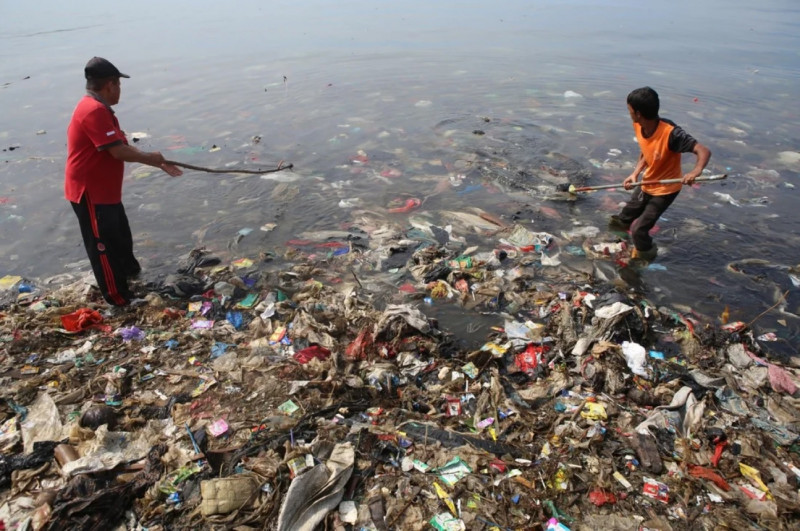
As plastic use reigns highly in developing countries, so would the extent of plastic waste littering landfills, waterways and public areas where in many cases, the debris floats to neighbouring countries.
Hence, the NGOs under the Philippines chapter of the Asian Reuse Consortium of which Malaysia is also a member, are pushing for more regional initiatives and awareness to combat the extent of plastic pollution on the daily lives of citizens.
The Consortium unites representatives from civil society organisations (CSOs), government agencies, and businesses in a shared mission to develop sustainable, community-driven solutions to plastic pollution.
Among the organisations involved are Greenpeace, Mother Earth Foundation, with the support of Plasticdiet Indonesia, Global Alliance for Incinerator Alternatives (GAIA) Asia Pacific, and the Break Free From Plastic movement.
The initiatives which have a similar condition to Malaysia highlight the need to fight pollution at small-scale convenience stores) Carpinteria (neighbourhood eateries), and local reuse-and-refill stores such as Back-to-Basics and Sabon Express outlets.
These case studies offer valuable insights into adapting reuse systems.
The consortium's launch paves the way for developing a Philippine reuse roadmap, inspired by other examples in the country such as those initiated by Back-to-Basics and Sabon Express, GAIA said in a statement here.
Research shows that reuse systems have the potential to cut plastic pollution by 30% and lower greenhouse gas emissions from packaging production by up to 80% by 2040.
As part of its efforts, the consortium emphasises collaboration among policymakers, businesses, and communities to institutionalise reuse systems and drive lasting environmental and economic benefits.
By fostering partnerships and advancing reuse innovations, the Asia Reuse Consortium hopes to pave the way for a sustainable transformation in the Asia Pacific.
Clement Ho, who volunteers at a zero-waste facility in Penang, said that reusing and recycling are principles which Penang and Malaysia generally must adopt in the fight against plastic pollution and illegal treatment plants of compressed plastic materials.
Ho said that there is a need to also have a regional presence in such struggles. - February 1, 2025.