
KUALA LUMPUR – The RM40 billion Pemerkasa Plus stimulus package announced by Tan Sri Muhyiddin Yassin on Monday has been described as meagre, but the sum is what the government can afford at the moment.
Economists said the amount pales in comparison to the RM250 billion aid package rolled out following the implementation of the first movement control order (MCO 1.0) in March last year, and notably, the M40 group is largely left out.
This is despite the impact of the current total lockdown expected to be more severe, as businesses and most people have yet to fully recover from year-long movement controls of various degrees implemented to stem the Covid-19 pandemic.
The economists told The Vibes that the government cannot afford another package similar in scale to the one announced last year, as it will risk hindering economic recovery.
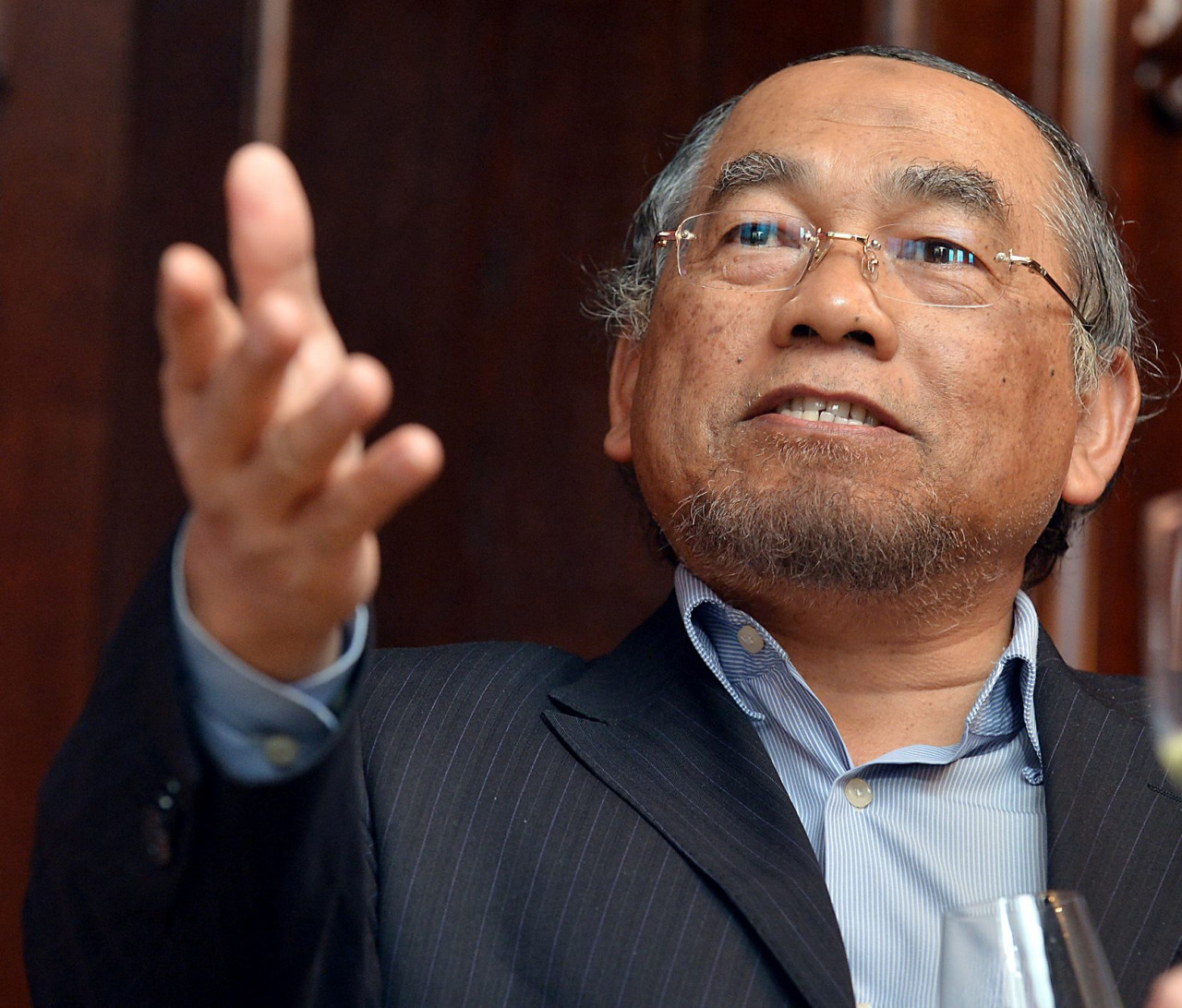
Universiti Tun Abdul Razak academic Prof Barjoyai Bardai said the Muhyiddin-led Perikatan Nasional administration is stuck between a rock and a hard place.
In terms of capacity, he said, the country should have no problem borrowing more money, but this could be at the expense of a higher fiscal deficit and the global perception that Malaysia is unable to properly handle its economy.
“On the one hand, if PN announces a bigger aid package, the people will say, this is a really credible government trying to help the rakyat, and its popularity will increase.
“On the other hand, if they are lavishly spending to assist the rakyat, and not thrifty and careful with their budget, they will not be seen as a prudent government. They are basically stuck.”
The prime minister unveiled the Pemerkasa Plus package, of which RM5 billion is a direct fiscal injection, hours before the country entered a two-week lockdown starting yesterday, with expectations of prolonged restrictions.
Among others, Barjoyai said RM2.1 billion will be allocated as Bantuan Prihatin Rakyat cash aid, with RM500 to be given to households earning less than RM2,500 a month; RM300 to households earning between RM2,501 and RM5,000; and, RM100 to unmarried individuals.
In comparison, the first stimulus package saw RM10 billion rolled out for this purpose, with RM1,600 given to four million households earning below RM4,000 monthly, and RM1,000 to those making above RM4,000.
A six-month blanket loan moratorium was also announced last year, but the incentive this time around is targeted at the B40 group, those who have lost their jobs, and small and medium enterprises not allowed to operate during the lockdown, and effective for only three months.
To date, the government has announced virus stimulus packages worth over RM350 billion.
Exports encouraging, but GDP growth must be revised
Barjoyai said since the start of the pandemic last year, Putrajaya has focused a lot on assisting the people, but paid little attention to healing the economy.
Fortunately, he said, the growth shown in the exports sector in recent months has helped Malaysia absorb the impact of the various iterations of the MCO.
However, he advised the government to revise its projected gross domestic product growth for this year, in view of the latest lockdown.
Bank Negara Malaysia in March said the country’s economic growth is likely to be in the lower range of 6% to 7.5% for this year.
“We are unlikely to achieve that target. It is prudent to revise to about 4%, I would say. This is more achievable,” said Barjoyai.
Malaysia’s economy contracted 5.6% last year, with movement controls, and the second and third virus waves hampering recovery.
Pointless to save lives if economy crumbles
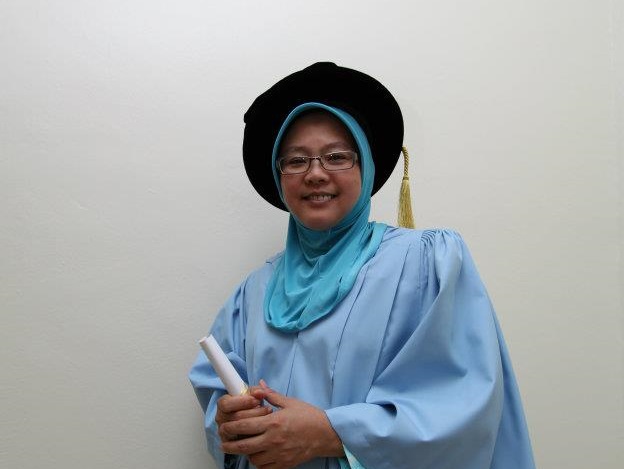
Independent economist Baayah Baba said the government cannot afford a bigger aid package, as pushing ahead with it could lead to the economy’s collapse.
But, she said, another round of aid must be announced if it decides to extend the lockdown, with greater emphasis on the M40 group.
She added that the huge package announced last March was to immediately cushion the impact of MCO 1.0, in hopes that the pandemic will soon end.
With hundreds of billions spent and the health crisis in its second year, however, the government needs to exercise more prudence, she said.
“Last year, we were not prepared at all for the pandemic. So, a lot of money had to be spent, even to improve our hospitals’ capacity and equipment.
“Now, I feel like a lot of preparations have been made. Also, we don’t have much money left any more. I would say the RM40 billion amount is fair.
“Yes, it’s considerably less than the RM250 billion (package last year), but where else can the government source money if not through loans? Most importantly, if we manage to save lives but not the economy, it’s useless, too.” – The Vibes, June 2, 2021