


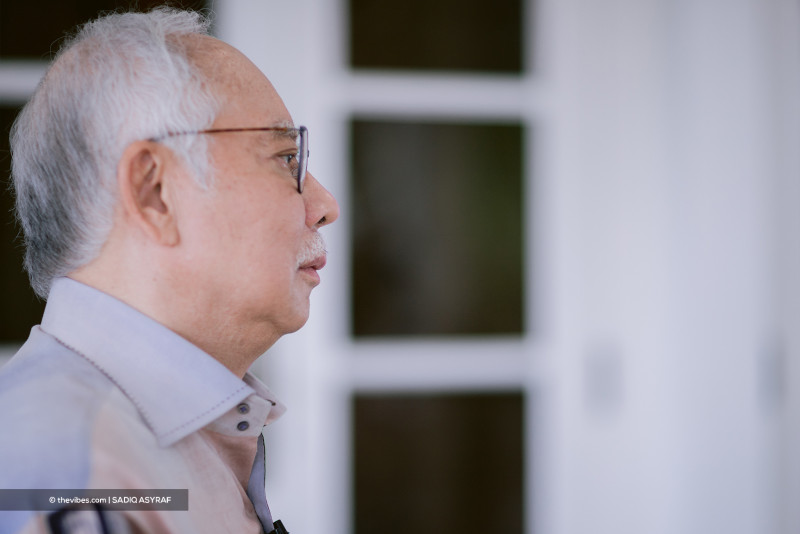

KUALA LUMPUR – Although former prime minister Datuk Seri Najib Razak contends that the Internal Revenue Board’s (IRB) bankruptcy suit against him is political, lawyers suggest that it is merely part and parcel of the court process.
Prominent senior lawyer Datuk Seri Rajan Navaratnam said the IRB sued Najib for unpaid taxes and subsequently filed an application for summary judgement.
This summary judgement application, pursuant to Order 14 of the Rules of Court 2021, allows a plaintiff to dispose of a case faster, where the defendant has no triable issues in his defence.
“IRB had filed a suit against Najib for taxes being owed and, subsequently, had filed an application for summary judgement to be entered against the former prime minister on the basis that the suit filed by IRB against him did not have any issues to be tried either in law or on the facts.
“The high court, after having the benefit of the facts and legal submissions put forth by the respective parties, found that the application for summary judgement by the IRB was fit and proper, subsequently allowing the application to proceed.”
He added that, upon successfully obtaining the summary judgement, IRB is basically armed with a “final judgement” that allows it to commence execution.

Execution of a judgement allows a plaintiff who has won a case to realise the order of a court.
Rajan said in this instance, the IRB chose to proceed via bankruptcy proceedings as per Section 3(1)(i) of the Insolvency Act.
“The IRB, as the creditor, had obtained a final judgement and execution thereon had not been stayed.”
A stay of execution in civil cases occurs when a defendant appeals a lower court decision that he lost, and the plaintiff is not allowed to realise its judgement just yet.
Najib has yet to obtain a stay of execution.
“It is worthy to note that Najib’s previous application for a stay of execution of judgement was dismissed by the high court judge on the basis that there were no grounds to grant the stay and it is trite law that an appeal to a higher court does not automatically operate as a stay of execution or proceedings.
“Section 103 of the Income Tax Act 1967 makes provisions that tax payable under an assessment is due and payable, irrespective of whether or not the person taxed makes an appeal on the said assessments,” said Rajan.
Also in agreement is Ragunath Kesavan, former Malaysian Bar president, who said appeals do not necessarily result in a stay of execution.
“There is no automatic stay of execution. The relevant party is entitled to proceed (with execution). Bankruptcy is the most common mode (of execution) and least intrusive for the judgement debtor,” Ragunath told The Vibes.
In this case, the judgement debtor is Najib himself.
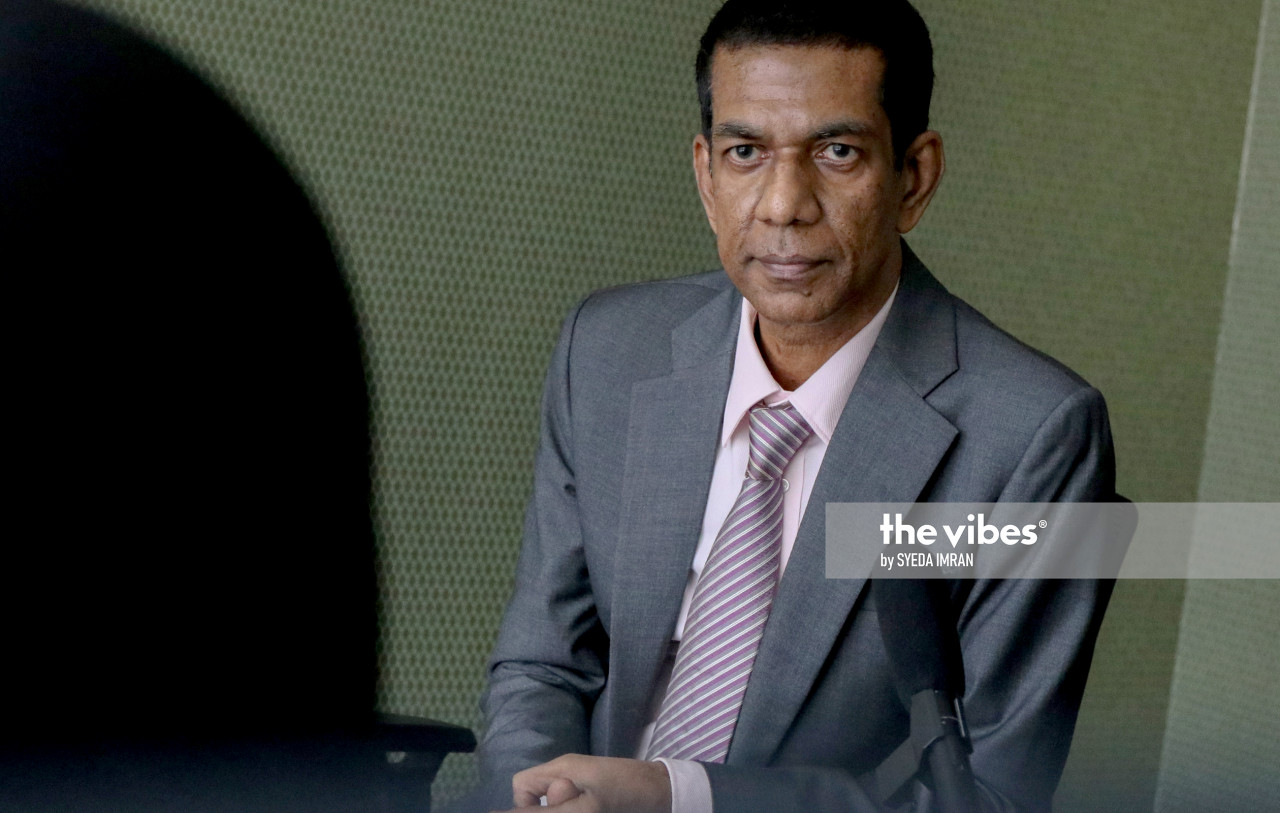
Meanwhile, Datuk Seri Jahaberdeen Yunoos said, based on civil procedure only, plaintiffs can actually seek other methods to execute judgement.
He added that in situations concerning bankruptcy notices related to taxations, one should take into consideration the ability of the person to pay.
Jahaberdeen said payment arrangements and schedules can be negotiated on before financially incapacitating an individual.
“Other options (to execute judgement) must be explored as the effect of bankruptcy is drastic. When a person is deemed bankrupt, the implication is drastic; it affects his ability to earn, either as an employee or business.” – The Vibes, June 3, 2021


















_Datuk_Rusdi_Mohd_Isa._Facebook_pic..png)
