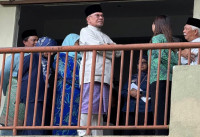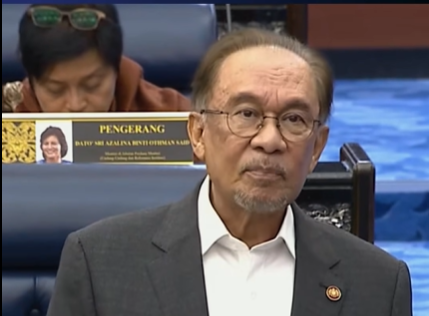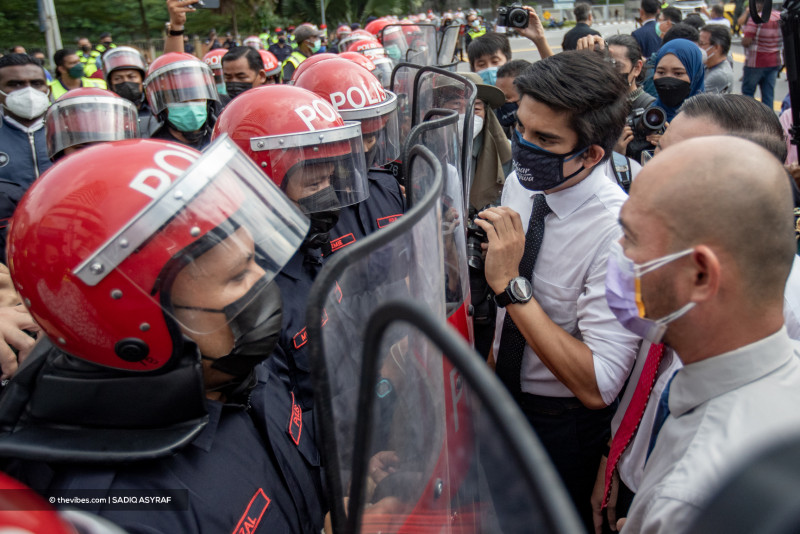

KUALA LUMPUR – In a wholly unprecedented move that unfolded on Monday, MPs were barred from entering the very House where they represent the voices of Malaysians.
There were shocking scenes on the ground as police and teams from its Federal Reserve Unit (FRU) were deployed to block all roads leading to Parliament, with photos and videos of the MPs confronting and negotiating with the authorities quickly making the rounds on social media.
Immediately, the question of legality and constitutionality took centre stage – were the authorities acting within the ambit of its jurisdiction and the law in preventing the parliamentarians from entering the House?
In a statement yesterday, the Pakatan Harapan presidential council said the authorities’ actions went against Section 124 of the Penal Code, which states that it is an offence to wrongfully restrain, overawe or show criminal force against an MP.
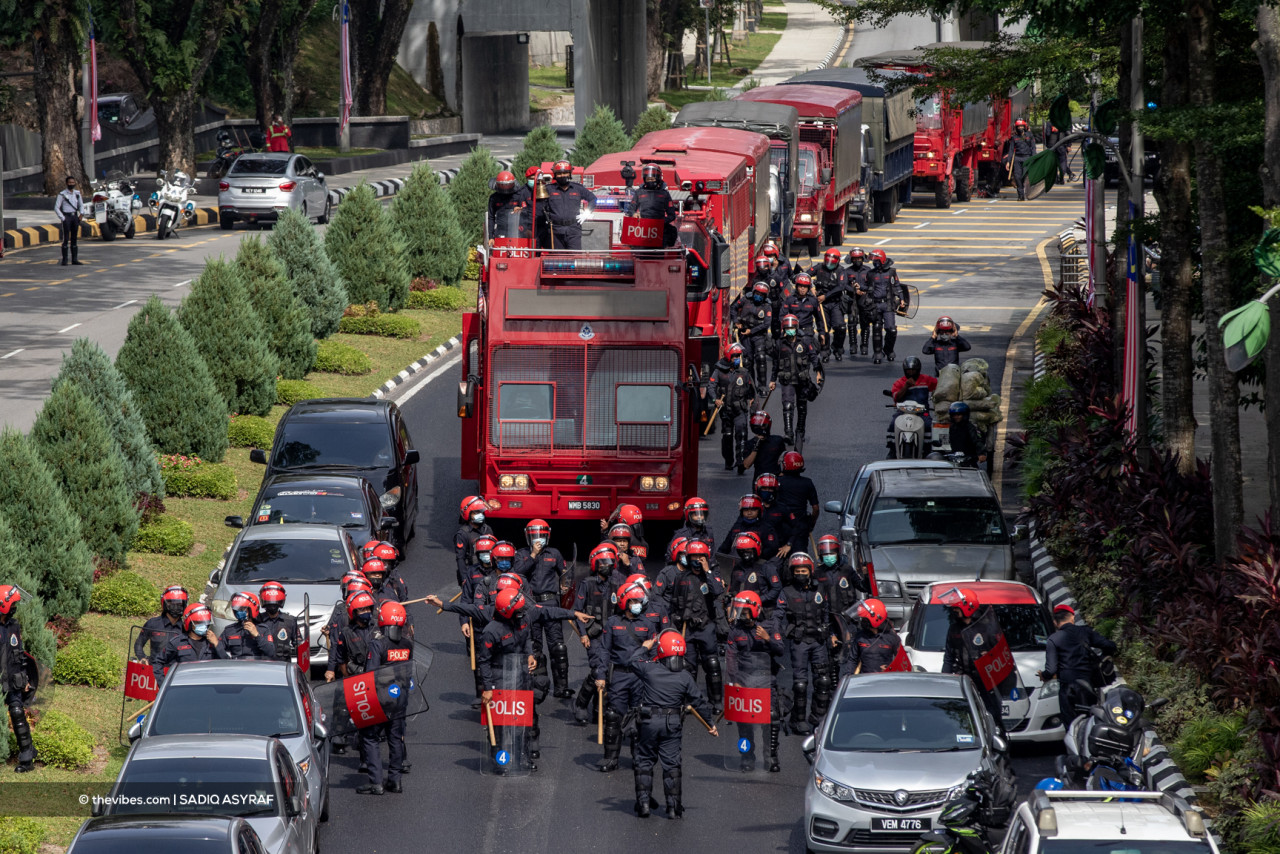
It also cited a Dewan Rakyat order dated July 13, last year, which instructs the police to ensure that there are no obstacles or disturbances in Parliament and nearby areas, and for all roads leading to the House to remain open at all times.
During the march by the opposition lawmakers on Monday, Puchong MP Gobind Singh Deo was also heard speaking to a high-ranking police officer over the phone, seeking clarification on the provision being used to stop the MPs’ march.
Sekali sekala boleh dengar polis kena soal siasat pulak.. pic.twitter.com/lUYYzPAfiQ
— Zulfadzli ??? (@bumilangit) August 2, 2021
“We are MPs, we will cooperate as long as it is within the confines of the law. You can’t just do something and ask us to cooperate. This is not a small matter; this is serious. I want to know who gave this instruction and under what provision.”
Gobind was apparently told that the cops had acted under Section 20 of the Police Act 1967, which focuses on the general duties of the police, stating that every officer shall perform their duties and obey all lawful directions that he receives from his superior.
Speaking to The Vibes, Bukit Gelugor MP Ramkarpal Singh said the provision cited by the police is broad and does not specifically apply to Monday’s gathering, adding that, to his knowledge, the law does not provide power to the authorities to prevent lawmakers from entering Parliament.
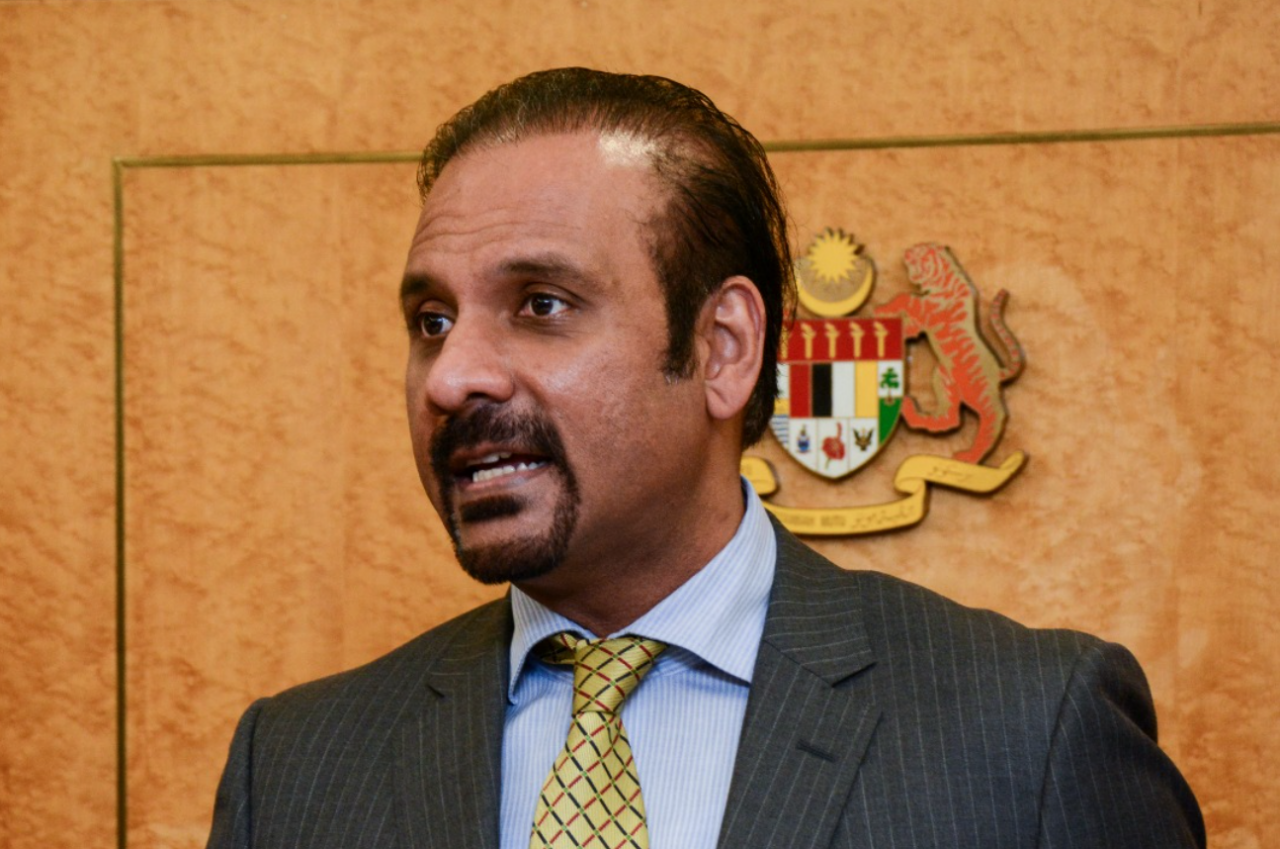
“I will go as far as saying that they have stopped us from carrying out our duties. Whether they have committed an offence, I will have to check further,” he said yesterday.
The DAP lawmaker also rubbished claims that the MPs had assembled illegally, claiming they had no choice but to congregate outside Parliament after they were refused to get anywhere close to the building.
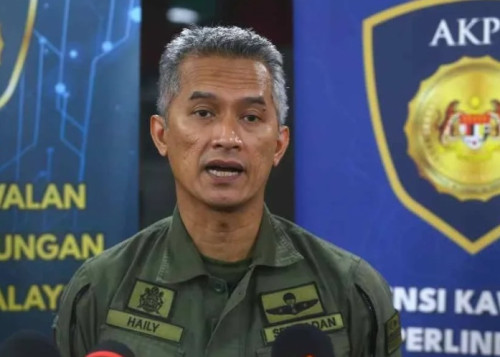
Kuala Lumpur police chief Datuk Azmi Abu Kassim had said on Monday that police will probe into the MPs’ march under the Prevention and Control of Infectious Diseases Act 1988 (Act 342), Section 269 of the Penal Code for negligent acts likely to spread infection, and Section 9 of the Peaceful Assembly Act 2012 (PAA) for lack of notification.
Room to challenge action in court
Constitutional lawyer Datuk Gurdial Singh Nijar said while the police are entitled to act based on orders, their actions can be challenged in court if they are deemed to have conducted themselves unlawfully or unreasonably.
This, he said, can be done under civil law pertaining to the country’s administrative and constitutional provisions.
He also believes the police had set up the blockade after receiving instructions from higher-ups – despite no specific provisions allowing for this – and chided the authorities for impeding on the MPs’ rights.
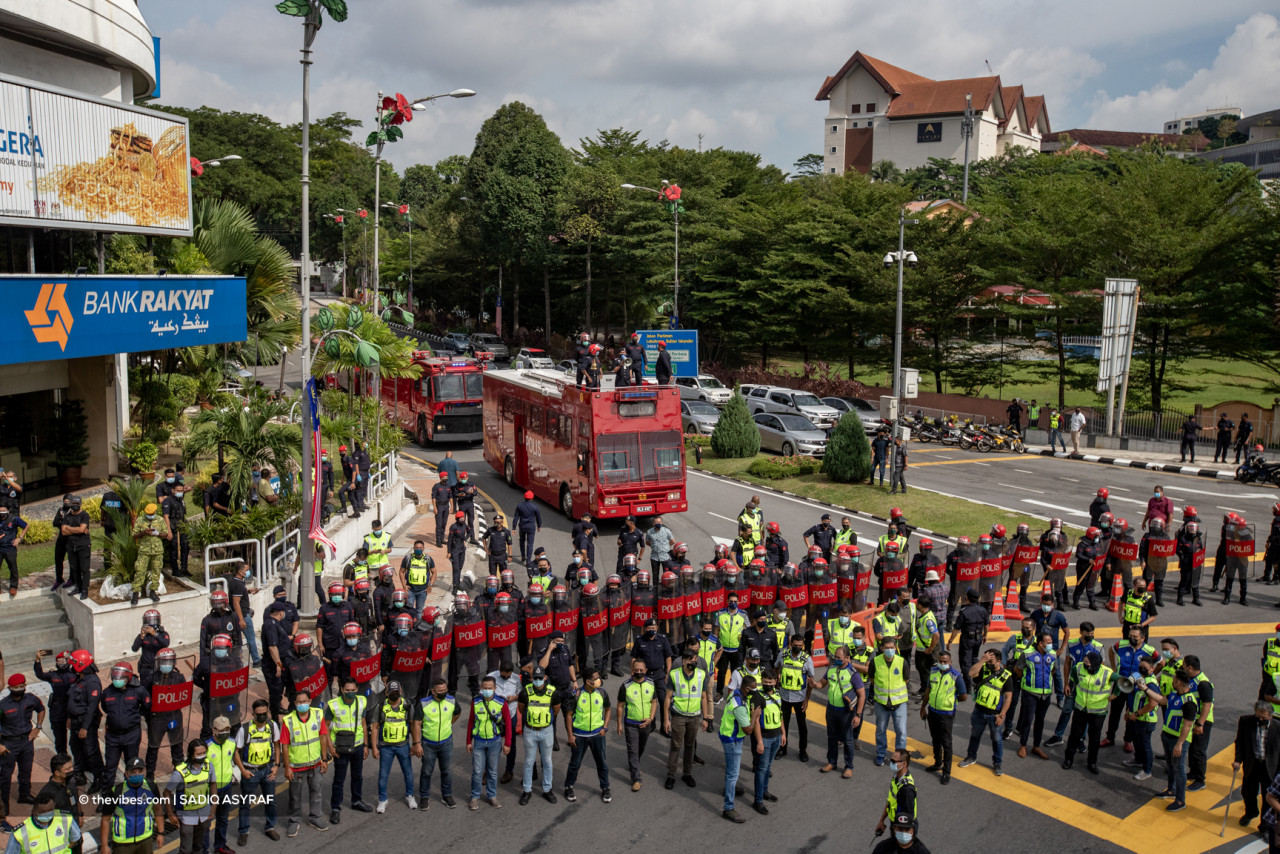
“They are MPs after all, so they are entitled to enter Parliament. Under the PAA, they are entitled to assemble and, under the constitution, they have the right of assembly.
“So long as everything is peaceful, then police should facilitate and not treat them like criminals. They (MPs) want to voice their concerns. If Parliament is closed, they should be able to voice (this) in some other ways.
“You cannot just close all avenues then criminalise anybody exercising their rights to free speech and assembly. It is against the spirit of the constitution and democratic society.”
Meanwhile, former inspector-general of police Tan Sri Musa Hassan said he sees no issue with the police blockade, particularly as instructions had already been issued by the government on Parliament’s closure earlier.
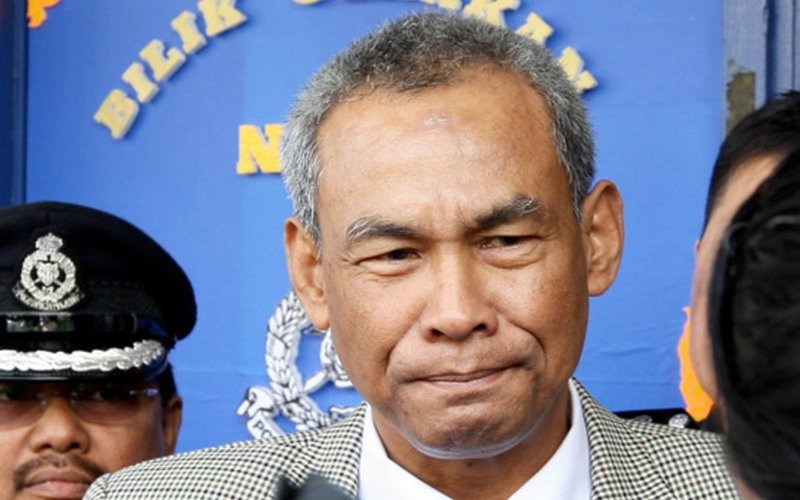
This is in reference to a statement issued by Dewan Rakyat secretary notifying that the final day of the special sitting that began on July 26 had been postponed indefinitely, upon instruction from Prime Minister Tan Sri Muhyiddin Yassin, citing Covid-19 fears.
Musa also cited the PAA, saying the MPs had ignored the law when they congregated.
“The government had already ordered Parliament to shut on the advice of the Health Ministry. They should have just gone home. It has been announced, so just follow it.
“That would have made things easier. I think this (protest) is political, a move to bring down the prime minister. If they had followed the law, there wouldn’t have been any problem.
“Just abide by it.” – The Vibes, August 4, 2021