
KUALA LUMPUR – Just as it is for Americans, for those around the world, including Malaysia, September 11, 2001 is a day that will never be forgotten.
It was a day that changed the world forever, especially in the fight against terrorism.
This year marks the 20th anniversary of the 9/11 attacks, which killed almost 3,000 people, including three Malaysians – Vijayashanker Paramsothy, Khoo Sei Lai and Ang Siew Nya.
Back home, the impact of the attacks was immediate.
The entire country was in collective shock, trying to make sense of how coordinated terrorist acts of such a magnitude could have taken place on United States soil.
Nordic Counter-Terrorism Network director Andrin Raj was at the Mandarin Oriental hotel here, where the chiefs of Asean military intelligence were meeting, that fateful day.
“A former US military attache looked at me and said, ‘Andy, the twin towers are down’, and we all thought he was referring to the ones here,” Andrin told The Vibes.
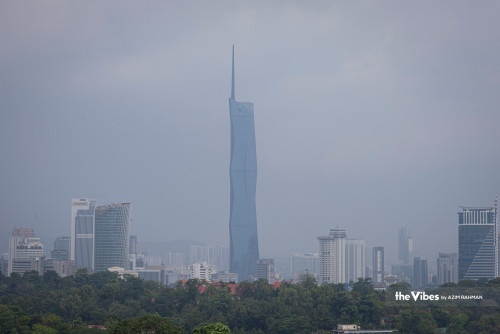
“I walked out and saw the (Petronas Twin) Towers were still there, before I found out it was the World Trade Centre in New York that went down.”
Immediately after the news broke, the presence of the region’s top intel chiefs turned Mandarin Oriental into a heavily secured area.
“Military police and law enforcement authorities cordoned off the hotel, and several men were placed to guard the KLCC area,” said Andrin.
“Helicopters were flying all around the towers.”
‘Transit point for terror’
According to PETRA Diversified Systems and Technologies (Distech) chief executive Lt Gen (Rtd) Datuk William Stevenson, the key to fighting terrorism lies in intelligence and counter-intelligence.
In Malaysia, intelligence services operate on the military and police level.
“Traditionally, police take care of internal affairs, while the armed forces handle external threats,” Stevenson told The Vibes.
“But terrorism cuts across the internal and external, hence, cooperation between police and the armed forces is crucial.”
While Malaysia has in recent history been shielded from serious terrorist attacks, that does not mean the nation is free from the risk of such activities.
The United Kingdom’s official travel advisory still warns travellers of the possibility of attacks occurring in Malaysia, pointing to a 2016 incident.
“On June 28, 2016, there was a grenade attack at a bar in Puchong, injuring eight people. Malaysian authorities have confirmed this was a terrorist attack by individuals with links to Daesh (formerly referred to as ISIL),” said the British travel advisory, referring to widely known terrorist group the Islamic State.
Meanwhile, the US State Department website describes Malaysia as a “source, a transit point, and, to a lesser extent, destination country for terrorist groups”.
Andrin said the masterminds of the 9/11 attacks had a presence in Malaysia before 2001.
“Bear in mind, the original planning of 9/11 took place in Petaling Jaya, where Yazid Sufat arranged a meeting with some of the attackers, but the mission was cancelled, and Osama bin Laden was informed of the matter, and Plan B took place in Germany.”
He said extremist Islamist group al-Qaeda’s original plan was to hijack aircraft from Thailand.
However, due to fuel consumption issues and the fact that the impact would be greater if they flew from within the US, al-Qaeda aborted the plan to take off from Thailand.
“If they flew from within the US, there would be enough fuel to create highly flammable explosions,” said Andrin.
“The 9/11 attackers were well aware of the structural compounds of the World Trade Centre twin towers... the planning was also based on how well the structures would have taken the high temperatures.”
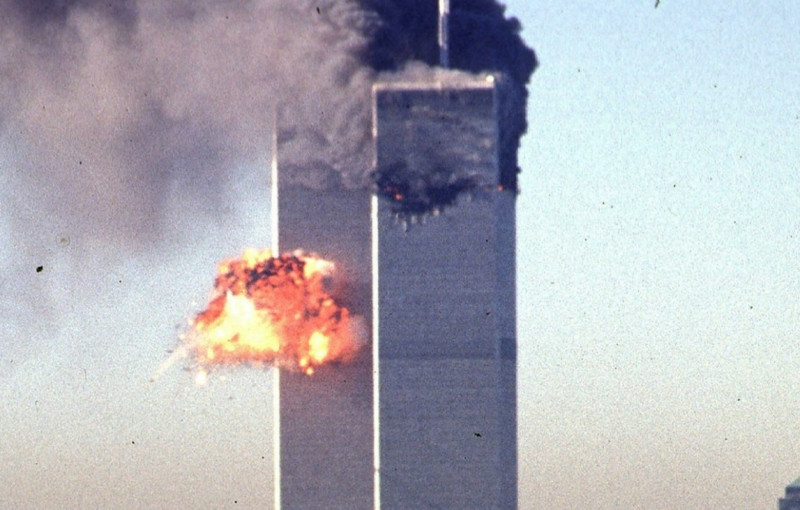
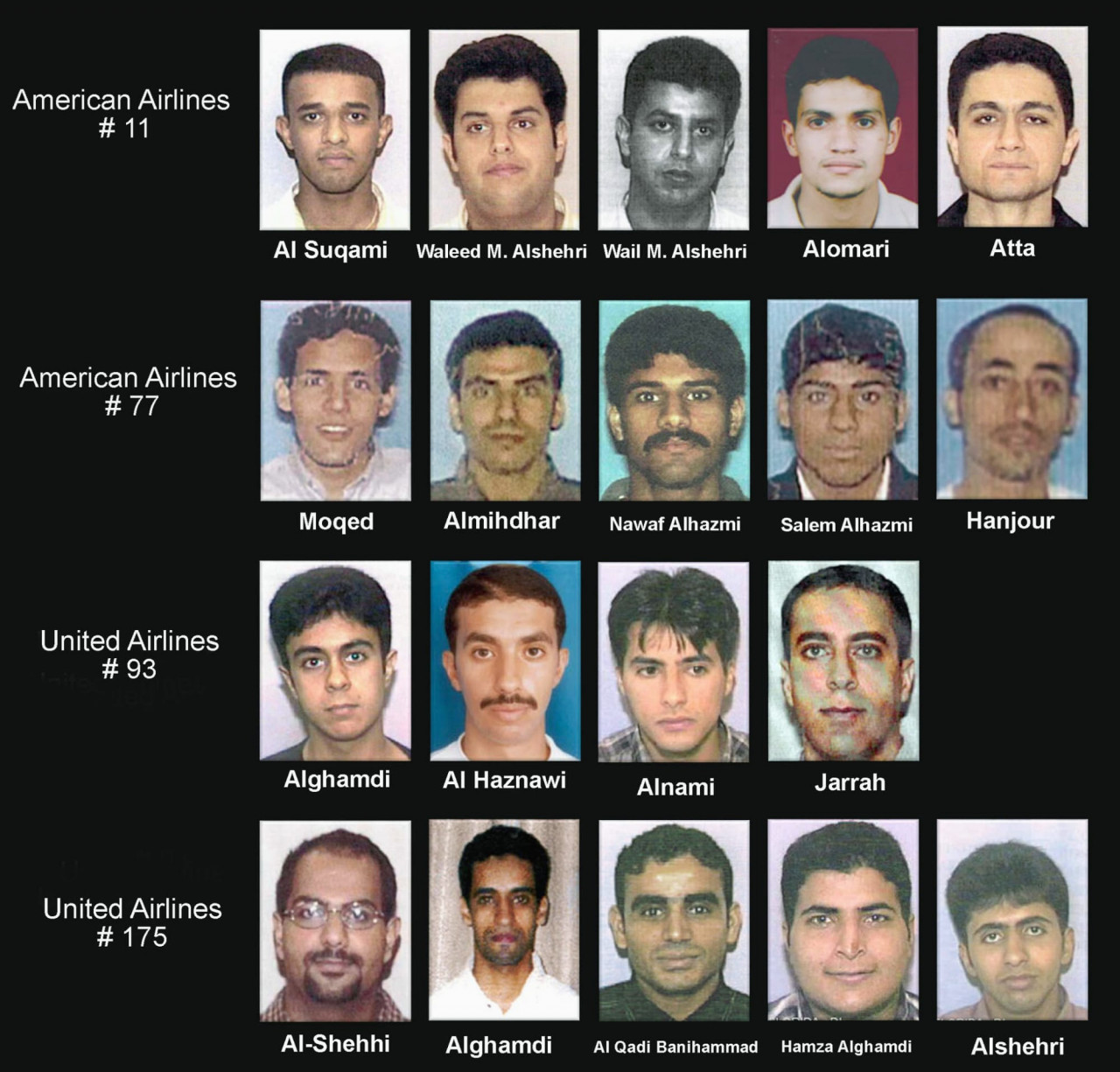
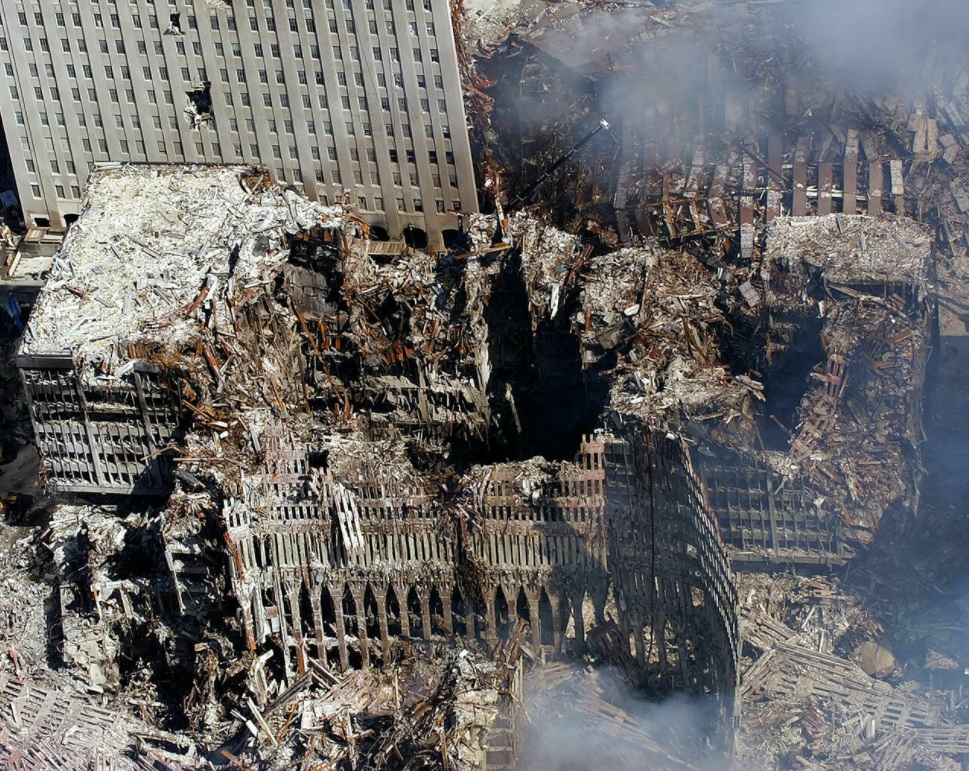
On September 11, 2001, 19 militants associated with al-Qaeda hijacked four airplanes and carried out suicide attacks against targets in the US.
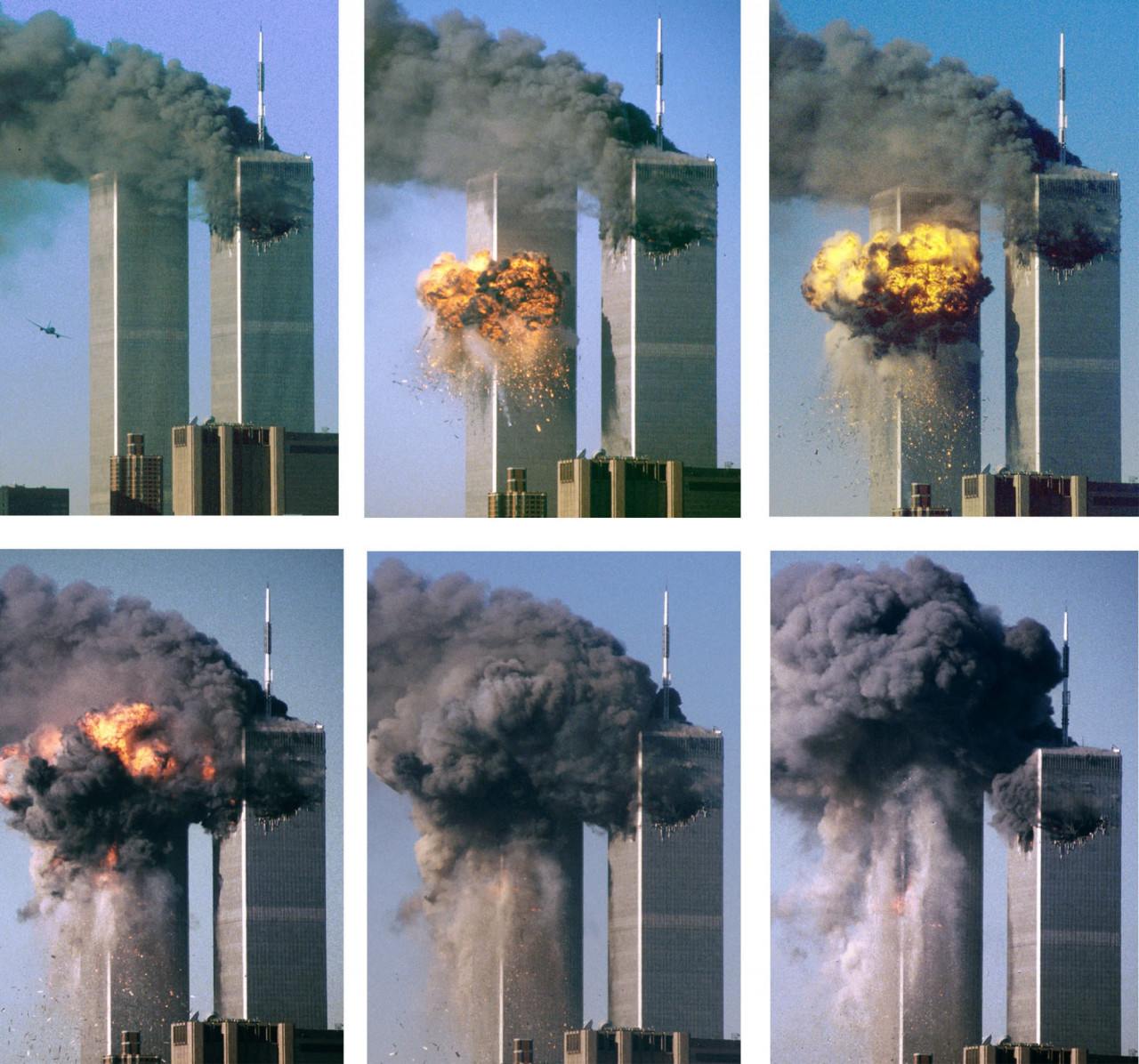
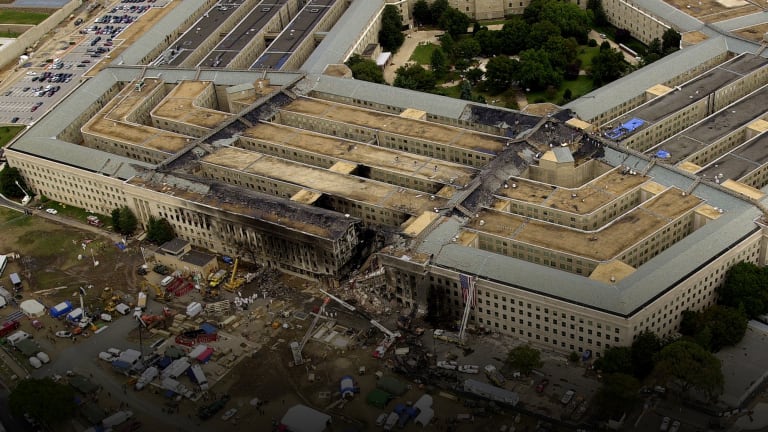
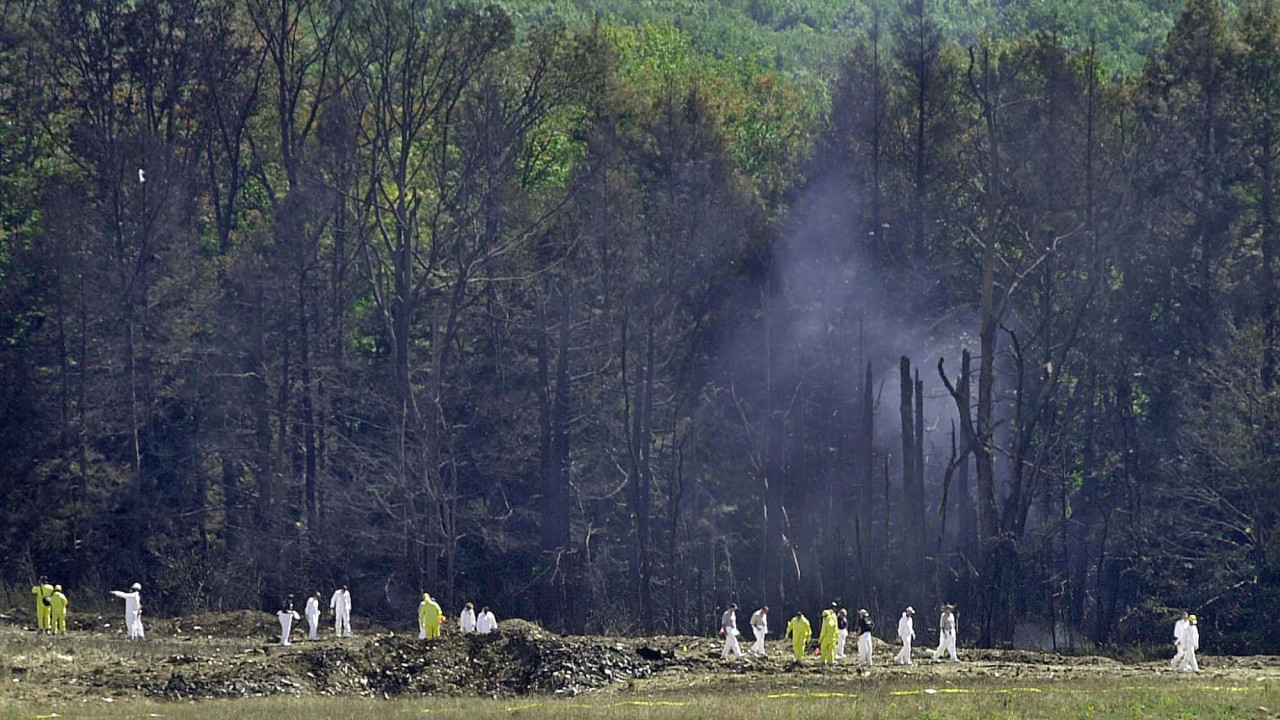
Two of the planes were flown into the World Trade Centre in New York City, a third plane hit the Pentagon headquarters just outside Washington DC, and the fourth crashed in a field in Shanksville, Pennsylvania.
Within three hours, New York’s tallest buildings were reduced to rubble, and the Pentagon headquarters – the nerve centre of the US Defence Department – was burning and had partially collapsed.
Declaration of war
Even before 2001, the US had suffered attacks by al-Qaeda.
In 1998, the group carried out assaults on two American embassies in Kenya and Tanzania, killing more than 200 people.
However, John Harrison, associate professor of the Homeland Security and Intelligence Programme at Rabdan Academy in the United Arab Emirates, said it was the sophistication of al-Qaeda’s 9/11 attacks that drew worldwide attention.
While the world vividly remembers the tragic images from New York, many overlook the fact that the 9/11 attacks also included two other hijackings.
American Airlines Flight 77 hit the Pentagon, while United Airlines Flight 93, which ended up crashing in a field, is said to have targeted the Capitol building, which houses the nation’s legislative chambers.
“We’ve had terror attacks before, but what made 9/11 stand out is the scale and sophistication,” said Harrison.
“For one, there were multiple attacks in different areas, killing a large number of people.
“This was more than a terror attack; the US saw it as a declaration of war by a non-state entity.”
The last time the US was attacked by a foreign entity on home soil was on December 7, 1941, when Japanese forces raided Pearl Harbour in Hawaii.
What set 9/11 apart is that it was witnessed on television screens globally and in real time.
In this day and age of social media, however, terrorist groups may not need to launch such a large-scale attack to garner worldwide attention.
“It is possible to say, with the reach of social media, terror groups may not need to undertake such a large-scale attack to get their message across,” said Harrison.
“An attack like 9/11 would definitely produce far more reactions on social media.
“Social media is good at making noise, but not so much at inculcating knowledge.” – The Vibes, September 11, 2021













_Datuk_Rusdi_Mohd_Isa._Facebook_pic..png)