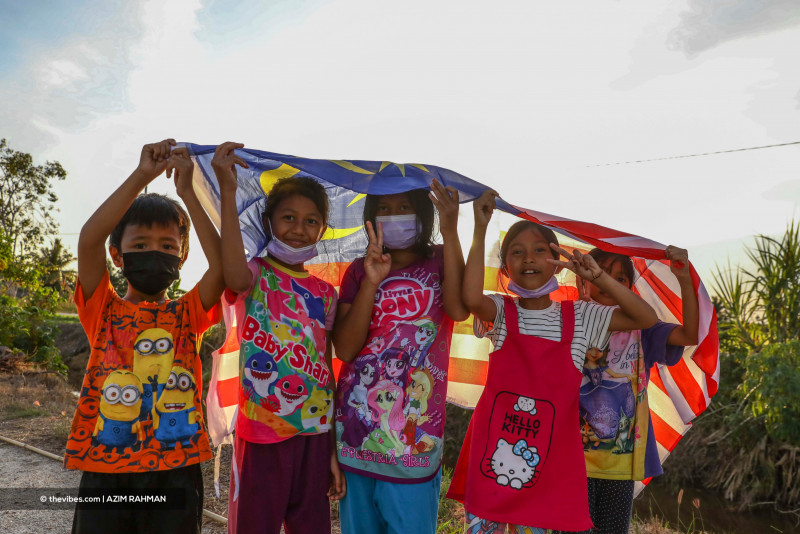

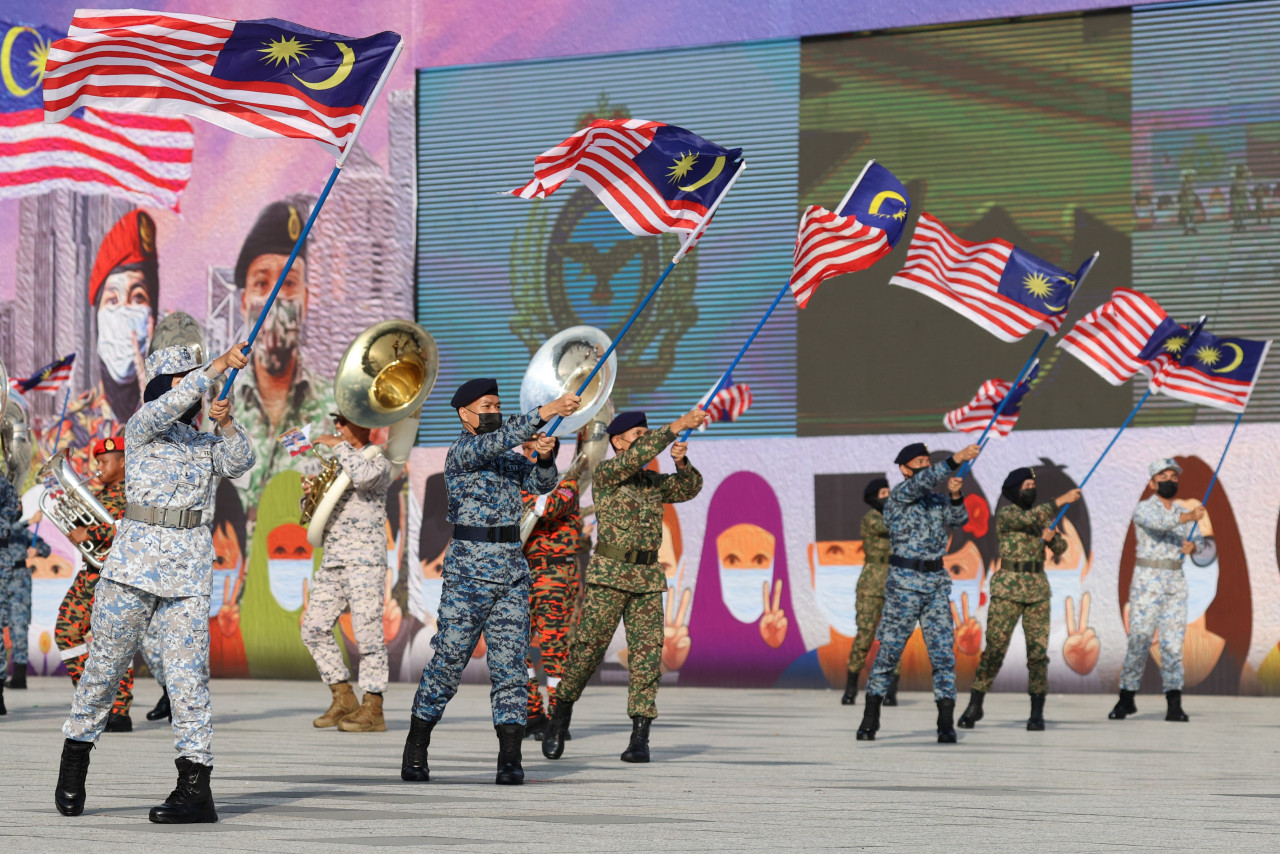
KOTA KINABALU – It is expected for history to be quoted and the struggles of our elders appreciated on Malaysia Day.
However, it is also fair to look at the struggles of the younger generation in preserving unity and understanding among Malaysians since September 16, 1963, when Sabah and Sarawak joined the Federation.
In the eyes of a historian, Malaysia Day means unity.
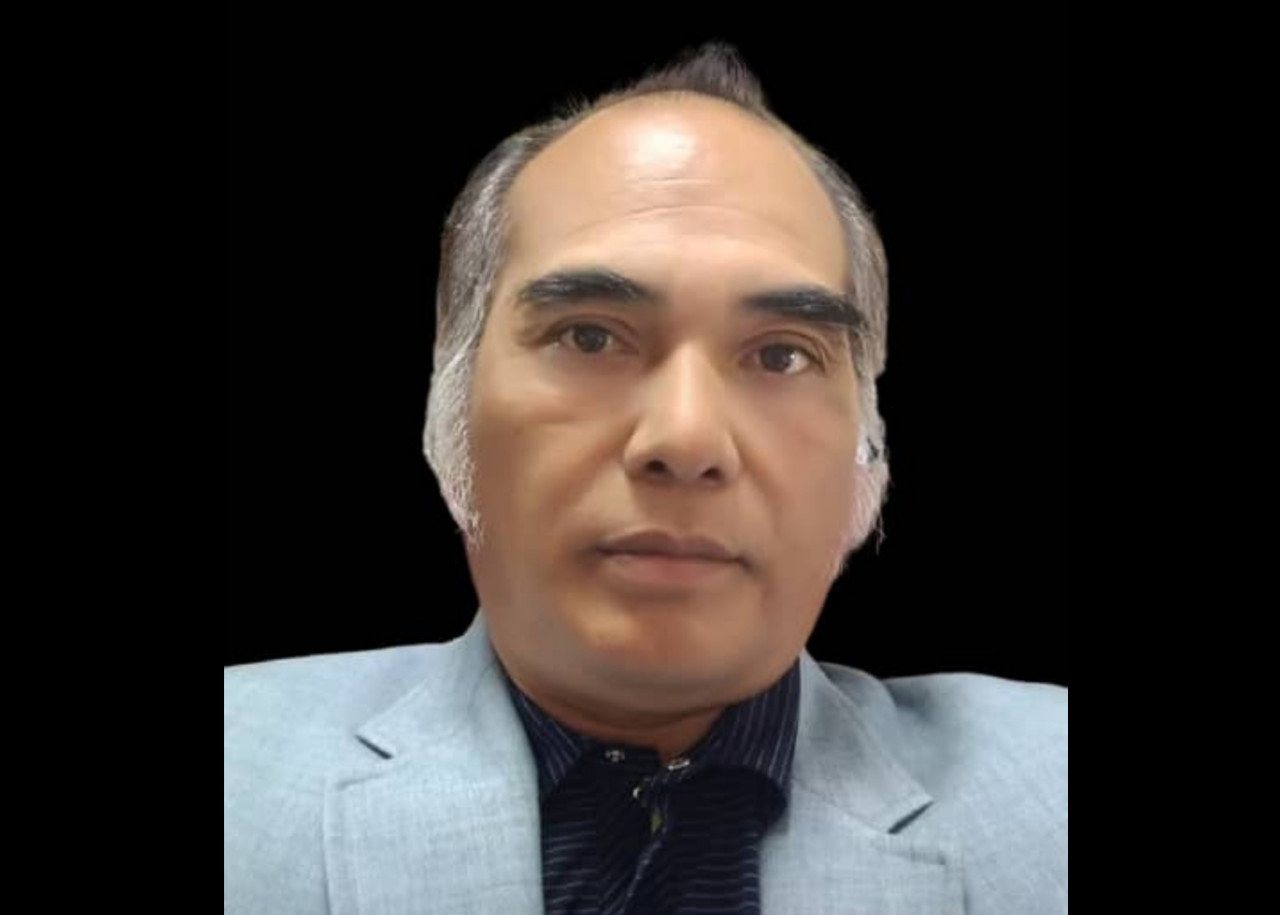
“It was a vision of all Malaysians coming together as one race,” said Universiti Malaysia Sabah’s Prof Bilcher Bala.
“It should be an event to celebrate our differences in race, culture and religion, especially to appreciate our equal rights as Malaysians.
“Each Malaysian, especially the future generation, should preserve the spirit of understanding and enhance unity to defend Malaysia’s freedom.
“(Through this,) all Malaysian races and the country will be able to achieve a community that is kind, democratic, and progressive in facing globalisation and information technology’s challenges today and in the future.”
Sabah achieved self-governance on August 31, 1963.
“It was unity and understanding among Sabahans that freed the state,” said Bilcher.
“So, it is this unity and understanding that have to be preserved in Sabah in order to preserve our freedom.”
It is also on every Malaysia Day that thorny issues involving Sabah and Sarawak are dredged up. These include issues related to the Malaysia Agreement 1963 (MA63).
University of Tasmania Asian Studies Prof James Chin said this is a chance for Sabah and Sarawak to resolve MA63 matters including special grants, equal status, revenue rights, and oil royalty.
“However, there’s a need to overcome public litigation when taking the case to the Malaysian court due to contentious views on the matter.
“Right now, the Malaysian court is conservative, and if anyone were to file a case related to MA63, they will likely be asked on its locus standi.
“In other words, they will likely question things like, how are you damaged by this? How are parties taking legal action affected by the (unfulfilment of MA63)?” he said at a forum, titled “Sabah and Sarawak and the future of the Federation”, recently.
Contrary to this, Chin said taking the case to the international court is not recommended, as most legal scholars with experience in international court have said this is not possible.
MA63 proponents pushing the international court move “is nothing but an attempt to mobilise ground support”.
Chin said the only two entities that can file a suit fairly easily in a local court are the Sabah and Sarawak governments.
“So, even if the suit fails, there will already be legal paperwork related to MA63 that can be used in the future.”
He said Sabah and Sarawak’s push for autonomy will be greatly opposed by the federal government.
If you want to push for independence, you need to ask yourself several key questions. Will the Malayan Malay establishment allow a secession to take place? Will they allow you to do a referendum or a Unilateral Declaration of Independence, and break formally from the Federation of Malaysia?
“My answer to you is, 110% no. This is because of the bad experience they had with Singapore, and therefore, they will not allow Sabah and Sarawak to break away.”

Such validation can only be done by agencies like the Election Commission that are under federal government purview.
“There is the possibility of the Sedition Act or Security Offences (Special Measures) Act (Sosma) and detention being imposed to stop secession,” said Chin.
He added that East Malaysians now residing in the peninsula will probably not be in favour of succession.
“Some of them have done very well, and if you ask them if they want to break away from the Federation, you will not get the answer you want.” – The Vibes, September 15, 2021
Additional reporting by Jason Santos











.jpeg)