
KUALA LUMPUR – Would public funding for political parties, which entails them getting allocations from national coffers, lead to elected representatives focusing more time on their constituents rather than courting donations?
Some experts on such a radical policy – if it ever happens in Malaysia – say yes, but caution that it only gets change one foot through the door, with more to be done.
Aira Nur Ariana Azhari, manager of the democracy and governance unit at the Institute for Democracy and Economic Affairs (Ideas), indicated that there is a stark disparity in opinions on the matter among the various parties, pointing out that certain entities are much wealthier than others.
Parties like Umno and MCA have businesses and network assets that are worth billions, according to research, she said.
“Some parties may not need public political funding as much. The money these parties may get from public funds will not be as much as they can get from their networks,” she told a webinar, titled “Political Party Finance Reform Agenda in Malaysia”, organised by Bersih 2.0 and the Association for Elections and Democracy yesterday.
Aira stressed that requiring transparency is particularly important for the implementation of public political funding.
However, this may not be palatable among politicians, and therefore, must be enforced uncompromisingly.
“Information regarding private donations and the expenditure of the public funds must be available to the public. But such a requirement would garner resistance,” said Aira.
“This transparency requirement must be non-negotiable, but I think it would be a long journey to make politicians comfortable with that.”
Public political funding is a system where parties receive public funds to cover their costs, making them rely less on private donors.
Such systems usually award funds to parties based on the seats won in an election, or the percentage of votes received.
Beholden to corporate sector
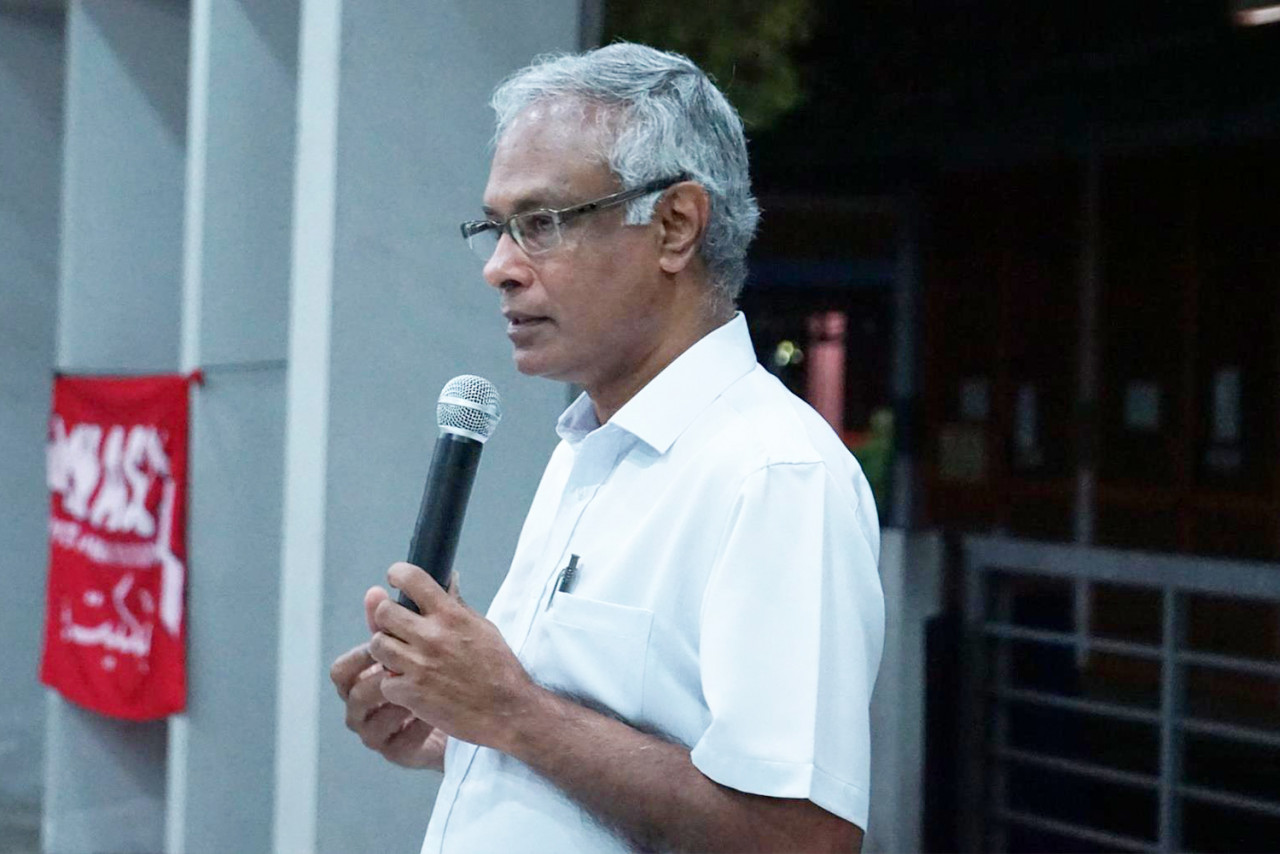
Parti Sosialis Malaysia (PSM) chairman Michael Jeyakumar Devaraj suggested at the forum that such funding would make Malaysia’s political landscape more democratic.
The former Sg Siput MP said presently, politics is an expensive endeavour, with politicians and parties left to raise funds by themselves.
This makes the political class beholden to the corporate elite as opposed to their everyday constituents, he said.
He noted that the mechanisms of implementation are important when it comes to public political funding, because smaller parties like PSM would otherwise be at a disadvantage.
“Public funding based on vote shares would not benefit a small party like PSM that doesn’t contest in many seats.”
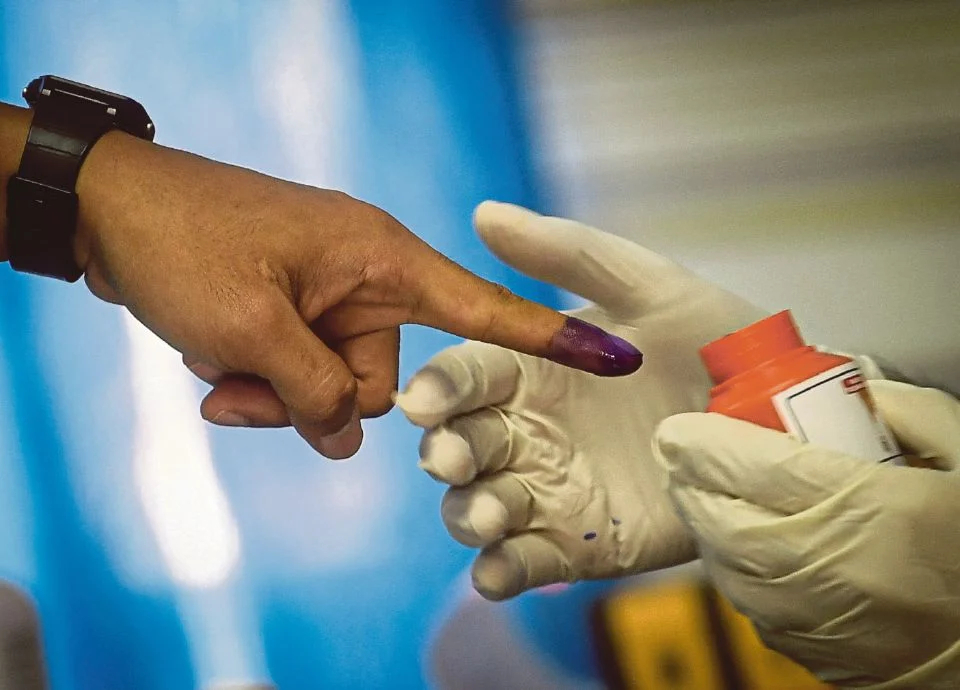
Instead, he said, a third ballot can be held to allow voters to choose which party should get public funds.
“Voters would then choose based on which party they feel is in touch with their issues.”
He agreed with Aira’s point that transparency is required to reveal big private donors, but also contended that it may not be prudent to aim for the system to be perfect initially.
We don’t aim for the moon, but take the first step. Doing this, we’ll see political parties relying less on private donors.
“From there, we can strengthen it. If it’s too restrictive at the start, political parties might not buy in.”
Civil society groups have of late pushed for public funding to have a more reliable and transparent source of financing, due to the absence of a Political Financing Act (PFA).
PFA is based on several principles, among them the presence of the rule of law, checks and balances to prevent unlimited power, and the exercise of political and civil liberties by the electorate.
Ideas and independent research group Bait al-Amanah last month called for the immediate tabling of the bill to prevent political corruption.
Prior to that, polls watchdog Bersih earlier this year urged for public funding, with researcher Ooi Kok Hin saying the policy will help curb corruption and ensure a fair contest in elections.
On Thursday, Muar MP Syed Saddiq Syed Abdul Rahman proposed in the Dewan Rakyat the setting up of a special committee to discuss payments and perks for ministers and lawmakers, alongside the issue of political funding. – The Vibes, October 2, 2021