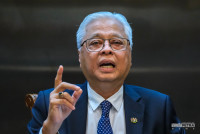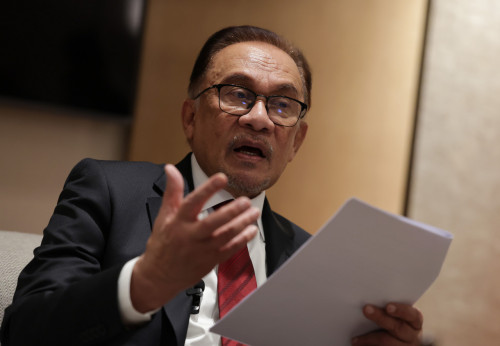

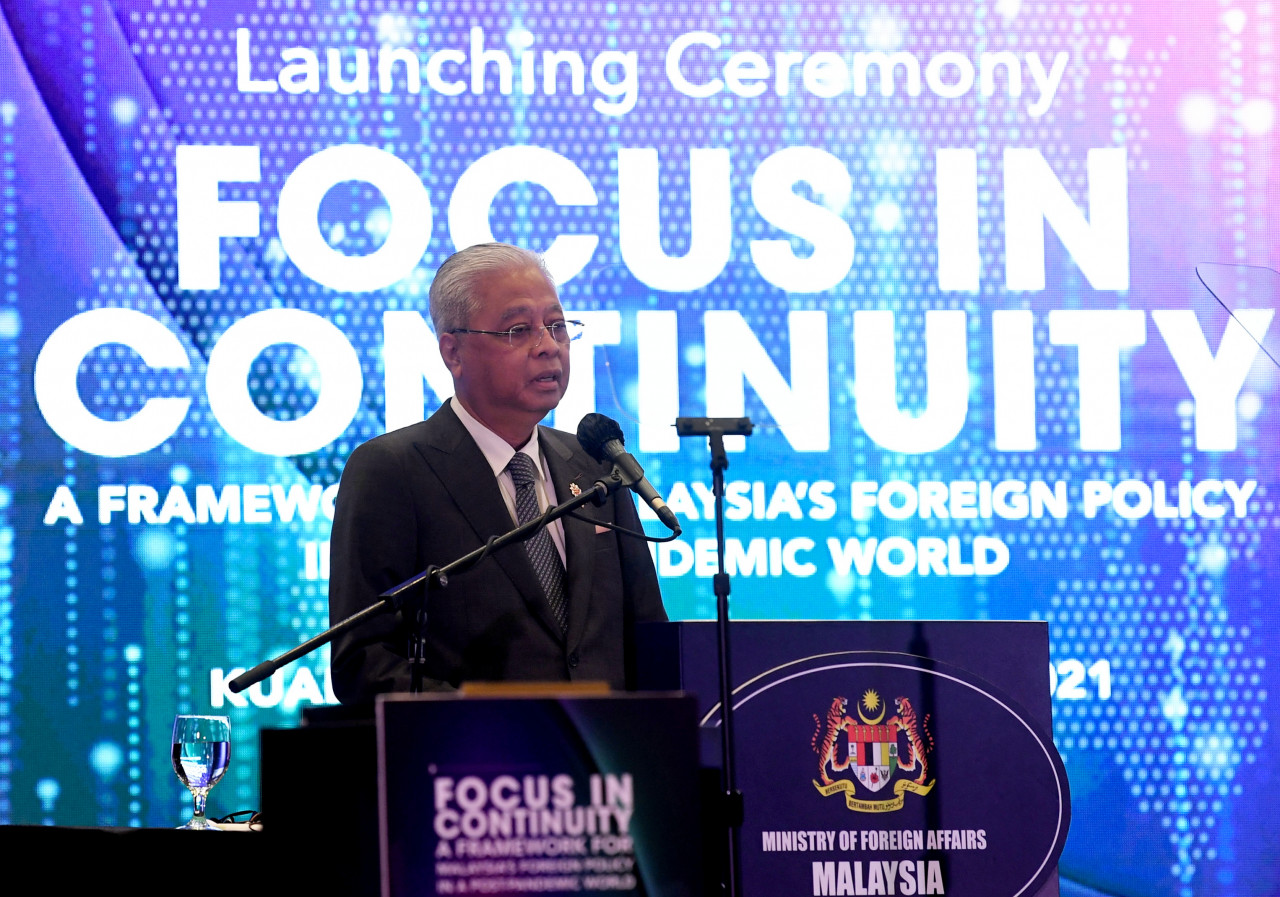
KUALA LUMPUR – The first 100 days of Prime Minister Datuk Seri Ismail Sabri Yaakob’s leadership may seem to show promising progress for the country, but can his administration be deemed a success if vulnerable members of society remain unprotected?
With non-governmental organisations (NGOs) reiterating calls for long overdue legal rectifications, the question begs consideration as his cabinet’s performance thus far has come under scrutiny.
Ismail commemorated his 100 days in power on Thursday.
Speaking to The Vibes, Women’s Aid Organisation advocacy director Yu Ren Chung stressed that while the NGO recognises good work done by the government, it is likewise hoping to see pending law reforms passed.
“There is a need for a strong anti-sexual harassment act that will function as an oversight mechanism similar to a tribunal while also clarifying the definition of sexual harassment.
“The existence of such an act will also ensure specific obligations for entities such as employers, universities, and schools to address sexual harassment within their organisations,” he said.
Besides urging the government to show quality leadership when handling key issues, Yu also posed several queries on specific details of important policies.
“How will budget allocations for domestic violence shelters be rolled out?” he questioned.
“Will there be a national plan of action to tackle violence against women? Does the government have a strategic plan to address public attitudes on violence against women?”
Yu also pressed the need to prioritise revisions and improvements to the Employment Act before the bill is passed into law.
“Among others, the proposed amendments on discrimination to ensure its prohibition should be strengthened by defining the term,” he said, adding that a minimum of seven days for paternity leave would be more suitable as three-day leave is an inadequate amount of time.
Nonetheless, Yu admitted that there has indeed been a sense of progress under Ismail Sabri’s administration.
“Policymakers are recognising the need for shelter spaces for survivors of abuse as reflected by a notable policy announcement where RM13 million was allocated towards the D11 unit under the police force, which handles domestic violence, sexual crimes, and child abuse cases,” he said.
Paltry progress on human rights
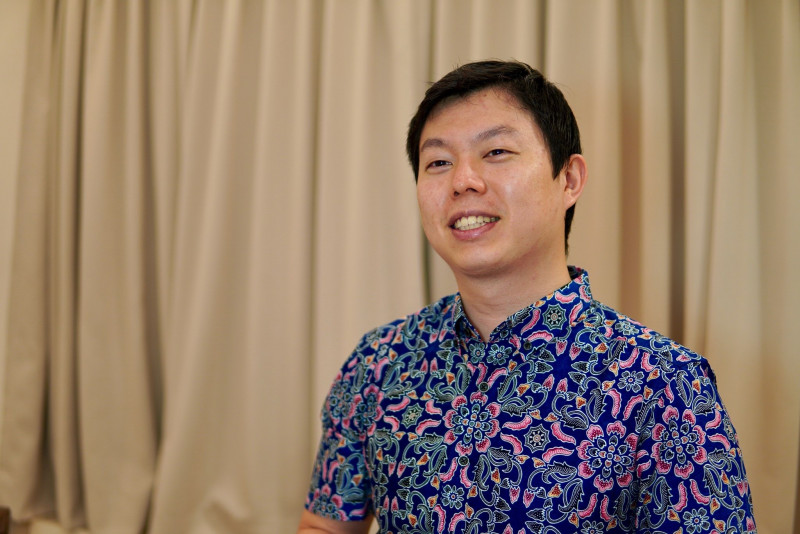
Kenneth Cheng, documentation and monitoring coordinator of Suara Rakyat Malaysia (Suaram), echoed Yu’s sentiments and pointed to the dearth of news regarding progressive legislation such as the anti-sexual harassment bill.
“From Suaram’s point of view, the first 100 days with Ismail (Sabri)’s cabinet has shown very little progress in terms of human rights issues.
“The implementation of Undi18 also came only after pressure from civil societies, the opposition party, and a judicial challenge,” he said, referring to the policy to reduce the voting age from 21 to 18.
Cheng did, however, concede that such inadequacies can be attributed to the situation of the nation at the time of Ismail Sabri’s appointment.
“Since he assumed the role of prime minister, his main challenge has been to ensure political stability while also controlling the pandemic,” he said.
Women’s empowerment, equality hampered
The All Women’s Action Society (Awam) noted the irony in the government contesting and winning a seat at the United Nations Human Rights Council in October this year.
“In its bid, it pledged to strengthen efforts to achieve gender equality and women’s empowerment while eliminating violence against women, without mentioning any plan to fulfil its promise to amend the constitution to remove discriminatory citizenship provisions.
“The pledge and the conduct of the government are in contradiction,” the NGO said in a statement.
As an example, it pointed to the government’s delay in enacting constitutional amendments pertaining to the conferment of citizenship.
On September 9, the high court had ruled that Malaysian mothers have the right to confer citizenship to their children born overseas, on equal basis with Malaysian fathers.
In light of the government’s decision to file a stay of application on the court’s ruling, Awam expressed doubt at the government’s justification in claiming progress.
Every single day this ruling is not implemented is another day Malaysian mothers and their children are denied their fundamental human rights in their own motherland.”
“They wonder where they fit within the framework of Keluarga Malaysia while some continue to face gender-based violence. Are mothers not key to keeping families intact?” the NGO said in a statement.
“We wonder how the Home Ministry plans to present its 100-day-in-office report card regarding their performance in boosting social well-being, strengthening unity in the Malaysian Family, and enhancing delivery,” it said. – The Vibes, December 11, 2021