KOTA KINABALU – Sabah will set up its own halal hub to tap into the billion-ringgit regional halal market, which contributed RM9.7 billion to the national gross domestic product (GDP) in 2020.
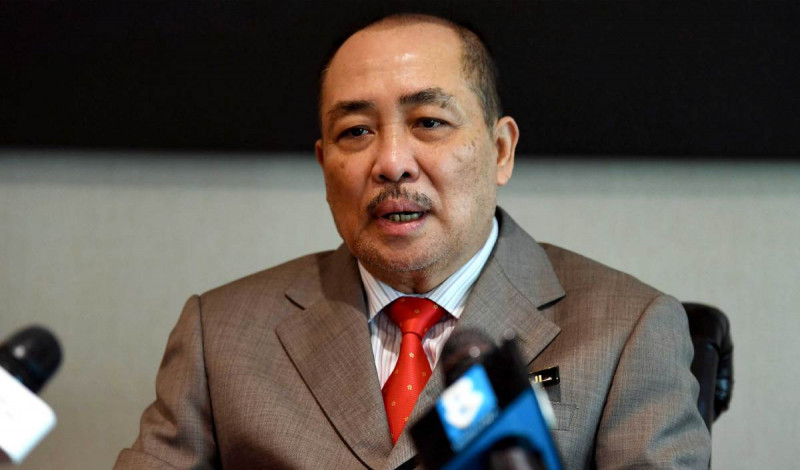
Sabah Chief Minister Datuk Seri Hajiji Mohd Noor said a 20-acre piece of land has been set aside at the Kota Kinabalu Industrial Park, some 23km from here, for the purpose under Sabah’s Maju Jaya Plan.
He said establishing a state halal hub would spur more local entrepreneurs to venture and take part in the halal market.
“The halal hub, which is on a 20-acre piece of land, will provide technology facilities as well as the necessary digital platform for entrepreneurs in the sector.
“It will provide guidance to entrepreneurs on the requirements to obtain halal and MeSTI (Makanan Selamat Tanggungjawab Industri) accreditations.
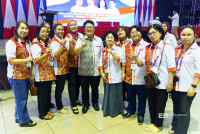
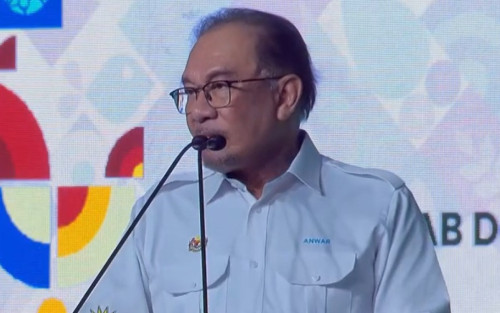
“It will also render assistance in the processing and marketing of products,” he said at the Malaysia Halal Roadshow 2021 at Marriott Hotel here today.
His speech was delivered by Community Development and People’s Well-being Minister Datuk Shahelmey Yahya.
The halal economy is a new growth sector with huge potential, said Hajiji.
“Last year, the halal industry contributed RM9.7 billion to national GDP while the Economic Planning Unit report projected the market segment contributing 8.1% to national GDP and generating export revenue of RM56 billion in 2025.
“A strong halal economy would also augur well for attracting more arrivals in the Muslim-friendly travel (MFT) sector, an emerging new segment in Sabah tourism.
“In the Global Islamic Economy Report 2020/21, Malaysia emerged top in the MFT tourism sector. So, we do not want Sabah to miss out on the halal tourism market,” he said.
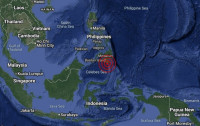
Hajiji said the halal tourism industry is expected to pick up in view of Sabah’s strategic location within Brunei, Indonesia, Malaysia and the Philippines-East Asian Growth Area.
This, he said, would also open up many opportunities for direct investment and border trade given anticipated developments in neighbouring Kalimantan, Indonesia.
Hajiji said the halal market is no longer focused only on Muslims, but also non-Muslim consumers of halal products.
Currently, there are only 300 companies in Sabah that are halal-accredited.
Meanwhile, Hajiji said the Industrial Development and Research Department has been allotted RM5.76 million for its supply expenditure in Sabah Budget 2022.
The money, among others, would see four more SME centres being established next year, he said. – The Vibes, December 16, 2021