.jpg)
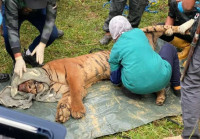
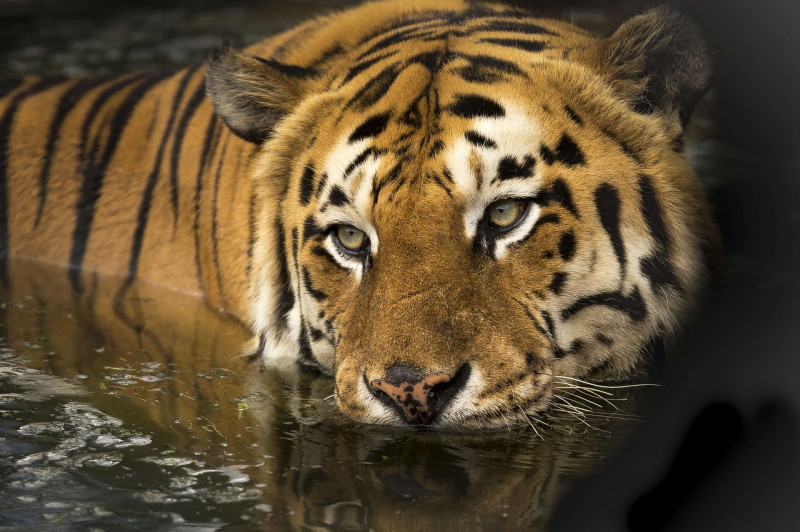
KUALA LUMPUR – The controversy over the recent killing of a male tiger, believed to have fatally mauled a man, has taken a contentious turn as the Wildlife and National Parks Department (Perhilitan) defended its approach and actions that led to the endangered large cat’s shooting in Gua Musang.
Kelantan Perhilitan director Mohamad Hafid Rohani said the rangers were left with little option but to fire at the animal after it was about to attack them despite their attempt to scare it away with firecrackers and warning shots.
He explained that despite the Orang Asli’s reservations towards making loud noises around jungle areas, hurling firecrackers to startle and scare off wild animals is a common practice for rangers in the department.
Speaking to The Vibes, Hafid said rangers opt to do this instead of firing warning shots as using blank bullets would incur additional costs.
However, he did acknowledge that the approach may go against the customs and taboos of the Orang Asli community, who generally refrain from causing or making loud noises in the jungle.
“But this is an animal that we are dealing with,” he said.
“I was also told that they don’t like or don’t want us to hurl firecrackers or fire warning shots. So what is it they want us to do? How do they suggest we handle the issue?
“I would ask the Orang Asli community: how else would I scare the animal off if I don’t throw a firecracker? Because that is our modus operandi, to chase it away first, and surely not to open fire and kill it at first sight,” he said when contacted yesterday.
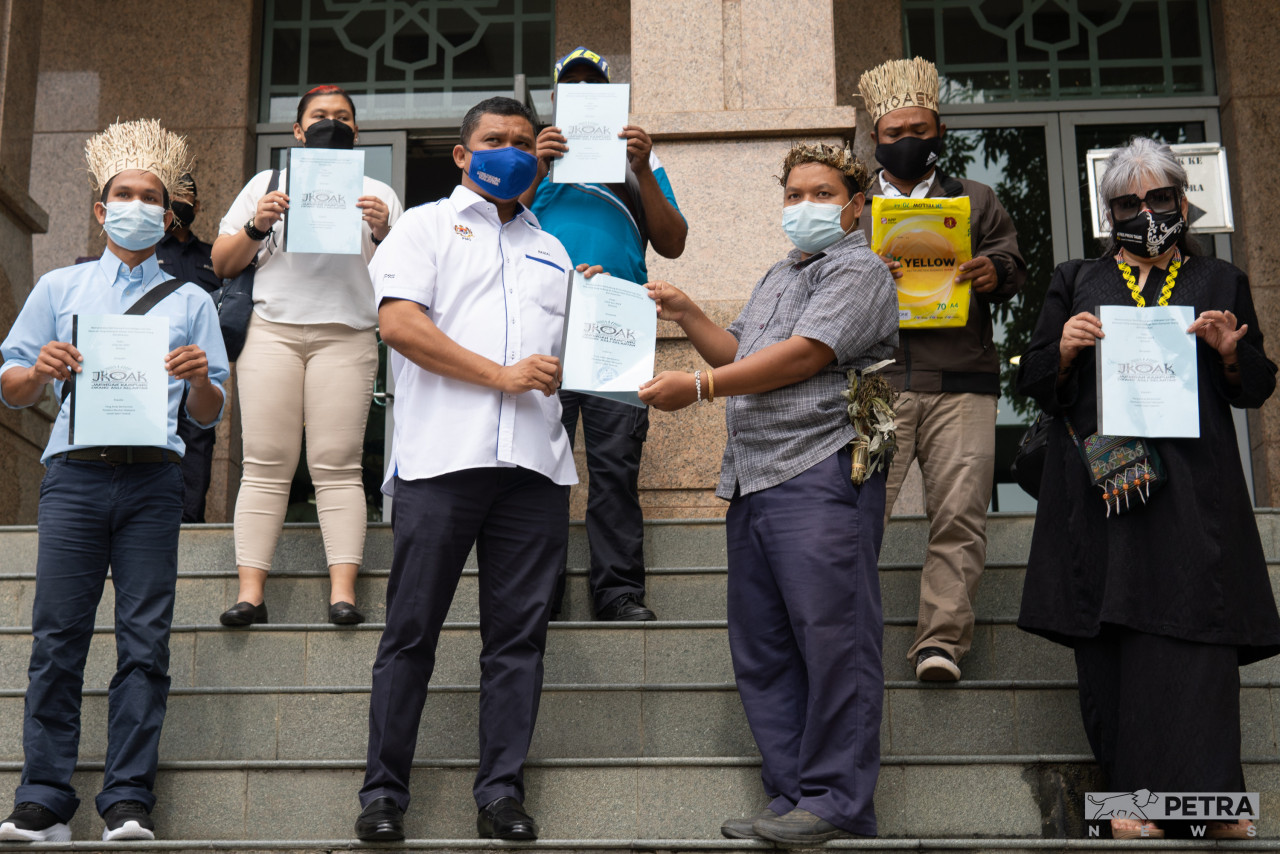
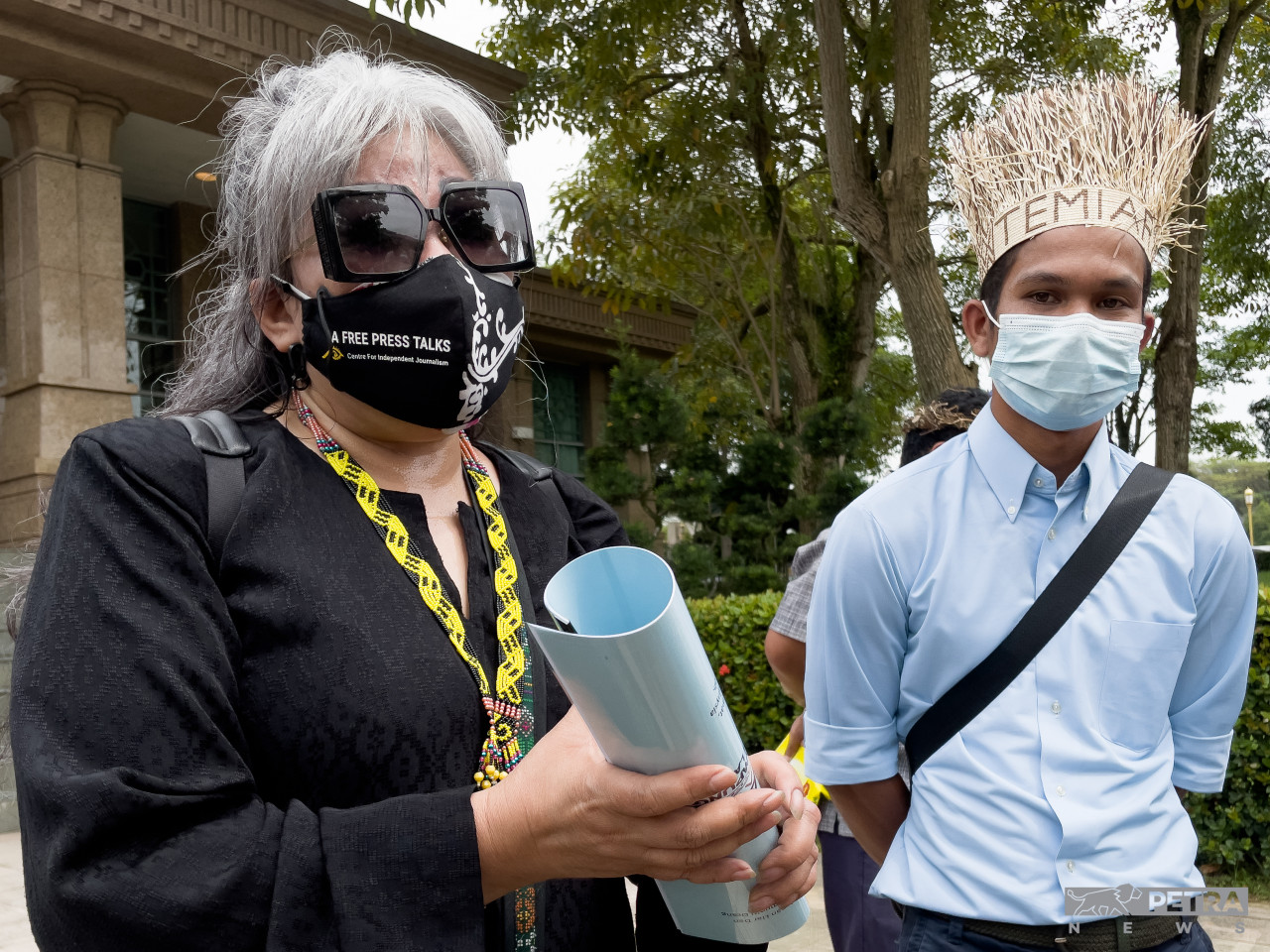
Yesterday, representatives of the Gua Musang Orang Asli community in Kelantan criticised the rangers over their handling of the male tiger, weighing 120kg, which was sighted at Pos Bihai after a villager was mauled to death.
The group named Jaringan Kampung Orang Asli Kelantan (JKAOK) submitted a memorandum to the prime minister to urge the government to be more proactive and sensitive towards environmental factors brought on by deforestation and further encroachment into the natural habitats of wild animals, given the recent fatal attack.
Elaborating on last week’s incident where an Orang Asli lost his life to the tiger, Hafid said his rangers were left with little choice after the large cat started to charge towards them.
Why not use tranquilisers?
He explained that even if the rangers wanted to, they could not have fired tranquilisers at the tiger as it was already charging towards them. He stressed that the sedative would have taken several moments to kick in before incapacitating the animal.
On why the rangers did not choose to tranquilise the animal initially, he explained that this could have been done if the animal was spotted from a safe distance and if it had not turned aggressive, unlike the situation faced last week.
“We would have used a tranquiliser and shot a dose into the animal if it was not attacking any humans, like in situations where they are spotted just roaming around.
“If the animal is not attacking anyone, there is also no point for us to open fire, as various parties like NGOs would start condemning us – especially considering the current situation of the Malayan tiger,” he said, referring to the status of the species that is on the brink of extinction.
“Ultimately, we have to remember that the jungle is its territory,” he said.
On January 10, Prime Minister Datuk Seri Ismail Sabri Yaakob had extended the government’s assurance that the Malayan tiger would be protected.
He warned that the species would be lost for good if no immediate action is taken to protect the apex predator, which is currently reported to number less than 150 in the wild.
Pressed to comment on complaints from the Orang Asli community over the killing of the animal, Hafid instead posed a question in return.
“For the incident in Pos Bihai, the tiger was already trying to attack the rangers. So, now I am asking the Orang Asli: why did they hurl a spear at the tiger when it approached them if they are against killing the animal?
“If that is the case, why not just allow it to maul you as well?” he quipped.
He stressed that any wild animal would be shot dead by rangers if it starts to pose a threat to the enforcers’ safety.
“We only shot the tiger dead because it had already started to attack the rangers; they would not simply open fire at an animal.
“This is in line with our act, which states that as long as a wild animal is threatening the lives of humans or attacking us, be it a tiger or wild monkey, we can shoot it dead,” he said, referring to Section 52 of the Wildlife Conservation Act 2010.
Spear thrown at tiger?
Hafid refused to say whether he viewed the firecrackers as the cause of the tiger becoming aggressive and threatening the safety of his rangers.
On the question of whether hurling the firecrackers was what caused the animal to attack and consequently end up dead, I don’t dare to comment on whether I agree with this view or not.
“As far as I know, even humans would retreat and move away if I threw firecrackers (at them),” he said.
Hafid then posed several questions towards the Orang Asli community, asking why they hurled a sharpened spear towards the wild cat when they saw it if they were concerned about making sure the animal is not killed.
He said that he personally spotted lacerations on the animal’s eyes when he was examining the tiger’s corpse following the incident.
“It’s a good thing they didn’t kill the animal when the spear they threw at it only struck the animal’s eye and not its body. I saw the mark on the tiger's corpse; its eye had a mark from being hit by the spear.
“So my question would be why they threw the spear at the animal if they are unhappy about Perhilitan resorting to shooting the animal,” he said.
Hafid also asserted that consultation sessions were held with members of the Orang Asli community before they conducted last week’s operation.
He refuted claims from the villagers that Perhilitan often overlooked their views and concerns when dealing with such issues.
“We had briefing sessions, several of them, with most centred around warning the villagers to remain within their common areas and not venture out too far while the tigers are roaming nearby,” he said, adding that the rangers were even assigned to accompany the villagers to harvest their crops for safety against wildlife.
When asked, Hafid refused to pinpoint why such wild animals were spotted closer to human settlements, saying there were many contributing factors involving the state government and its authorities, who would be more suitable to justify this.
The memorandum, among others, called for the government to be more proactive in the preservation of flora and fauna especially in Kelantan’s forest lands where they have been settled for decades.
It also detailed how problems arising from threats of wildlife in close proximity were not new to them but were rather consequences of surrounding overdevelopment and logging being carried out within the Perias Forest Reserve in Kelantan. – The Vibes, January 13, 2022