
KOTA KINABALU – The Sabah government should provide clean water supply to the squatter settlements by implementing a new mechanism via prepaid top-up.
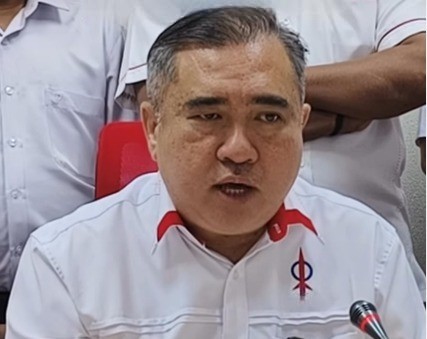
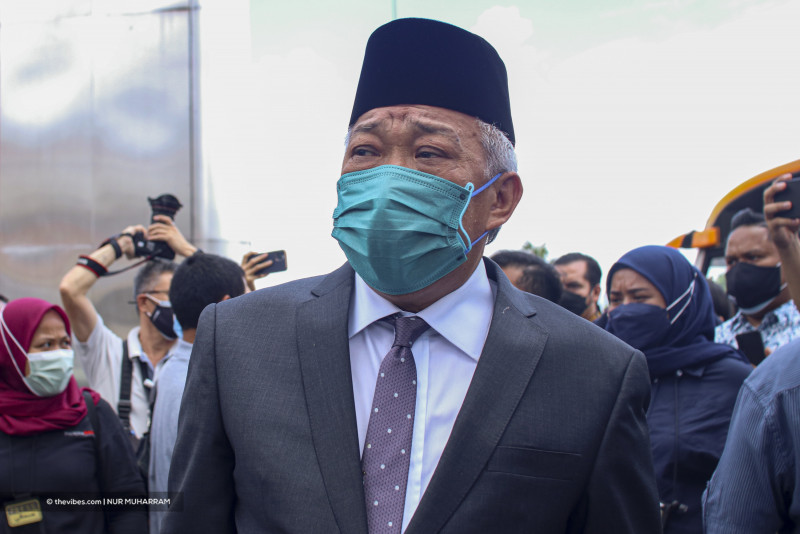
Sabah Deputy Chief Minister Datuk Seri Bung Moktar Radin said that since there are also Malaysians living in squatter settlements, the villagers deserve clean water and electricity supply from the government.
“This is also to avoid illegal water connections, which have contributed to huge losses in terms of non-revenue from water supplied by the water department.
“With the prepaid method, they can purchase a RM5 or RM10 prepaid card to buy water supply for their houses,” Bung Moktar said at a press conference here after the annual Barisan Nasional (BN) mandarin orange distribution drive held in conjunction with the upcoming Chinese New Year celebration.
Bung Moktar said the same prepaid mechanism for electricity supply to squatter settlements has been approved by the Sabah government.
“It is easy – if you want to use more electricity, then you purchase more prepaid (credit),” he added.
On Tuesday, Sabah Water Department director Edward Lingkapo revealed that Sabah is losing between RM150 million and RM180 million annually from illegal water connections.
Abnormal road congestion
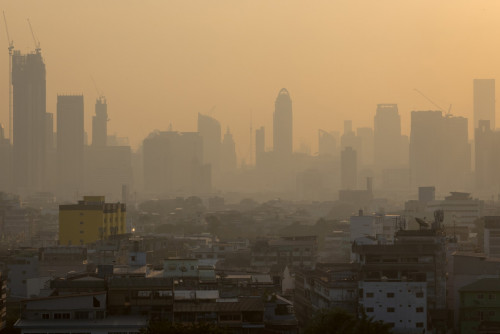
On another note, Bung Moktar, who is also state works minister, said traffic congestion in Sabah has become abnormal in certain parts of the state, adding that it may be worse than the jams in Kuala Lumpur.
“The traffic jam from Mile 15 to 7 in Sandakan could take several hours, similarly from Tuaran to Kota Kinabalu city. The traffic jam has become abnormal; it was not like this in the past.
“I have asked for the Sabah Public Works Department to look into the details and come up with a solution to be proposed to the state and federal governments,” he said.
He also said he hopes the Pan Borneo Highway project can be completed as soon as possible, as it would solve the traffic congestion problem in the state.
In his speech to Sabah BN leaders, Bung Moktar said he understands that party members are facing criticism from people on social media over the poor road conditions in Sabah.
“People now only need to hit a button in order to make a post go viral. We are facing electronic media now, not the people. Unfortunately, a lot of people do not understand what is really happening.
When we fix the road during the rainy season, it will only be damaged again, and then we will have to repair it again. So we have made the decision to only start the repair process after the rainy season in Sabah.
“I have been in this field for a long time, so I have grown used to it (criticism from people online). What is important is that I do what is best for the people of Sabah.
“I am the only minister that has gone on a road tour around Sabah’s east coast for eight days straight to better understand the situation on the ground. I will ensure that I monitor and inspect each district in Sabah, and ensure all districts receive balanced and equal development,” he said.
Bung Moktar said that the Public Works Department has a long-term plan to ensure road conditions in Sabah will receive the federal government’s attention.
“We have to accept that the situation in Sabah is different. The Sabah government cannot afford to develop its roads; we have to rely on the federal government. This is the fact and reality that we must accept,” he said.
Rural development efforts for Sabah
Meanwhile, Bung Moktar said he will propose for the Sabah government to create economic development units that focus on developing east Sabah and the northern corridor (interior districts) to reduce the development gap between the rural districts and west Sabah districts, particularly Kota Kinabalu.
“We can see that Kota Kinabalu’s development is something that we can be proud of. However, in other parts of Sabah, the economy is very slow. Hence, I have informed the government of this so we can be more proactive and act for the future of Sabah.
“I have also informed the Sabah government of the need to open a new port in Kudat. Efforts such as this one are important to ensure that we don’t become overly dependent on the palm oil sector, which could be affected by the global market at any time,” he added. – The Vibes, January 29, 2022