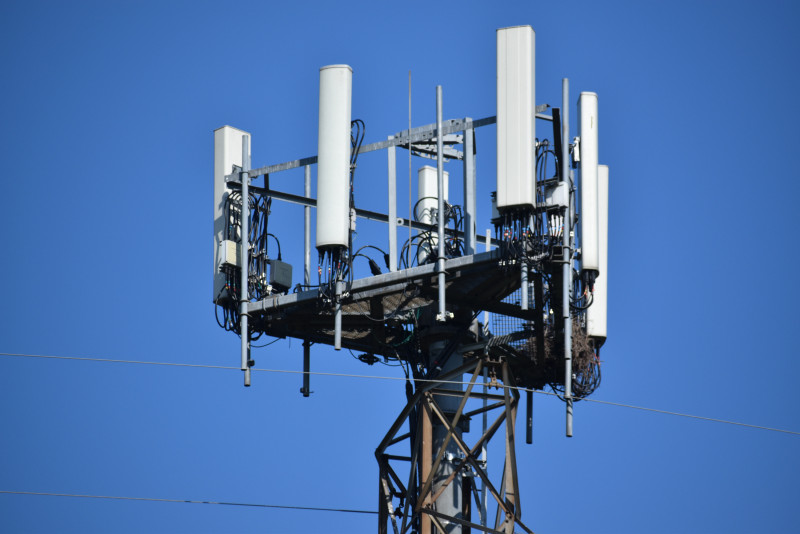

KUALA LUMPUR – The implementation of the national 5G network cannot be left in the hands of the existing mobile network operators (MNOs) as they will likely delay it until they get the most from their investments in their existing 4G networks.
Digital Nasional Bhd (DNB) chief executive officer Ralph Marshall said the telcos are content to further “sweat” the 4G networks that they own and are making substantial returns from them.
As a result, Malaysia continues to slip behind its Asean neighbours in the 5G roll-out, he said in a 20-page reply to a February 7 media statement by Bangi MP Ong Kian Ming.
Before the setting up of DNB, there were also delays due to the posturing of proposed consortium members, each with its own conflicting interests, including the share of cost for the network and profit. This had affected the ability to roll out the network quickly.
Marshall suggested that an MNO’s 5G network roll-out would likely be delayed to next year or even 2024, and not December 15, 2021 when DNB made the 5G services available in parts of Kuala Lumpur, Putrajaya and Cyberjaya. DNB is targeting 80% coverage of the country by 2024.
Ong had raised 15 questions on DNB’s role in the nation’s 5G infrastructure roll-out, including on the strategy, cost as well as the policy behind it.
DNB was set up by the government to hasten the development of the next generation mobile technology, or 5G, infrastructure. A single wholesale network (SWN) by DNB would offer access to telcos based on a cost recovery method.
The plan is being opposed by telcos who fear the dimunation of their stake in the nation’s mobile telephony and have instead proposed their own rival network. While the telcos have been relatively very quiet, some major politicians have been opposing and questioning the DNB and SWN approach.
Regardless, little is known of the telco’s proposal for a dual wholesale network – one to be operated by DNB and the other by a consortium of telcos – or the price they would ultimately charge consumers.
“It cannot be left to the private sector to implement at its pace, driven by profit motivations,” Marshall said.
He said, it is not in the DNA of existing telco operators to embrace a cost recovery model to roll out 5G infrastructure and pass on savings to end users, adding that DNB’s cost recovery method would keep the cost to consumers low.
There is a need to accelerate the nation’s launch of 5G and to catch up quickly with its near neighbours who are presently ahead in the 5G roll-out. The delay is also affecting foreign direct investment.
“This is not about ranking among our neighbours but about having better infrastructure and being competitively placed to attract foreign direct investment,” he said.
At the same time, Marshall said the government has always been open to reducing its stake in DNB in three years, after 5G is rolled out so that MNOs can become shareholders of the company. This, he said, is known to senior officials and management of the MNOs. – The Vibes, February 12, 2022