


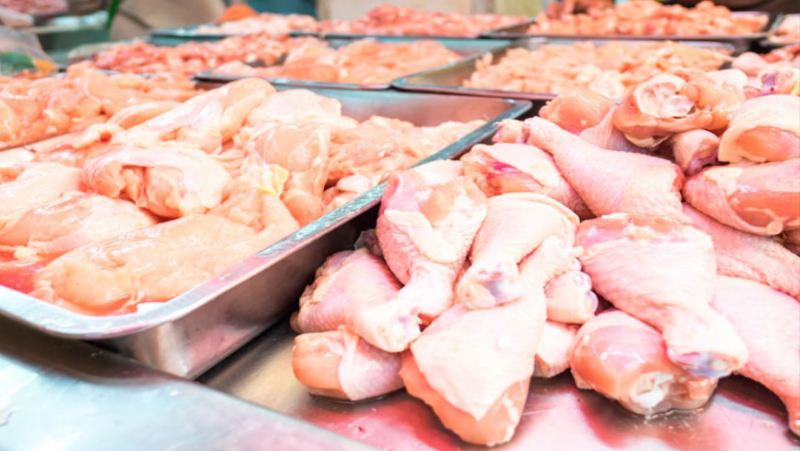

KOTA KINABALU – A slew of increased production costs in poultry has caused an unstoppable hike in eggs and chicken prices in Sabah, leaving authorities unable to prevent the hikes.
The Vibes reported that poultry farmers in Sabah have been affected by increasing prices of animal feeds since September last year, causing chicken sizes to be smaller and sold at steeper prices.
But after four months since the report, all of the government’s efforts to address this issue have hit a brick wall.
A restaurant owner in Sandakan, Fara Ramsah said that the price of chicken breasts in the market had increased from RM13.90 to RM18 per kilogramme in the past month.
She said eggs are also priced at RM16 to RM17 for a tray of Grades A and B eggs, which are higher than the controlled retail price set at RM14.70 (Grade A) and RM14.40 (Grade B).
A satay seller in Sandakan, Anna Asmael also said that the price of chicken had increased by RM3 per kg after the price increased three times over the past two months. It is now sold at RM14 per kg.
A mini-market owner in Sandakan, Yunizam Yusop also said that the prices of chicken and eggs that he purchased from suppliers have been increasing and that his customers have been complaining.
While the hike in the prices of chicken and eggs is apparent in Sabah, a source from Sabah Domestic Trade and Consumer Affairs Ministry (KPDNHEP), however, told The Vibes that it did not receive any complaints regarding price hike.
He said, in fact, its personnel have been conducting inspections in the markets every day without fail and found that prices of chickens and eggs in the market are under control.
“However, the controlled prices are only on whole chicken (standard and super), and not on chicken parts such as chicken breasts or chicken wings,” the source said.
He also said that the Malaysian Family Maximum Price Scheme introduced by KPDNHEP will also see a decrease in the price of chickens in the market for the next four months.
An egg distributor in Kota Kinabalu who wishes to be known as Leong told The Vibes that he has been supplying eggs from the factory to retailers for years, and found that eggs supply has been decreasing over the past months.
Despite distributing eggs in accordance with the KPDNHEP controlled prices, he said the problem is a lack of supply from the factory for reasons unknown.
“There is always higher demand than supply, and it has gotten worse this month. A lot of retailers do not get supply from me because I also received limited supply from the factory,” he said.
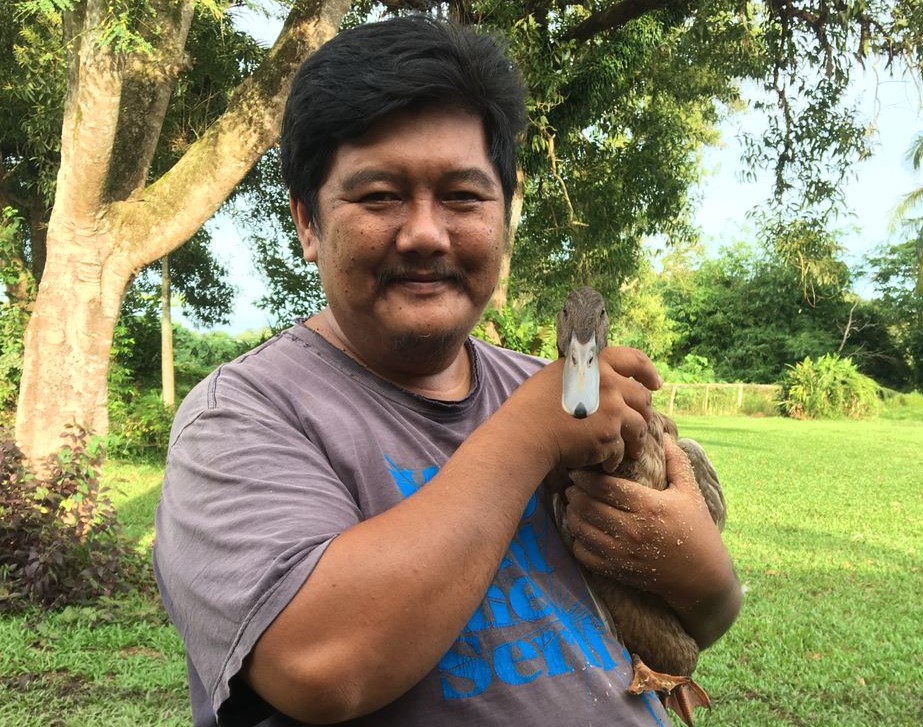
Meanwhile, a chicken and duck farmer in Sandakan Remy Majangkim told The Vibes that the prices of animal feed had increased again on February 7, this time by 80 sen per 20 kg.
He said the price of chicken has been increasing in Sabah as farmers have been burdened by the increasing price of animal feed, as well as the outbreak of Chicken Flu in Penampang which had decimated the population of chickens in the area.
He also said that eggs are the same, as only chickens that get good quality feed will lay more eggs.
“Animal feed also has a short expiration date, so the feed supply must reach the animal for consumption in a short period of time,” he said.
Last Thursday, Agriculture and Food Industries Minister Datuk Seri Ronald Kiandee announced that poultry farmers will be given a subsidy of 60 sen per kg of chicken and 5 sen per egg, between February 5 and June 5.
On this, Remy said that subsidies are a short-term solution as quality food is produced with a quality feed.
“He (Kiandee) should liberalise the agriculture monopoly by the federal government. Food is for everyone; it is not in the Federal Constitution that food is centralised with the federal government.
“We have our own state law in regards to food production and sales. There is a need for politicians running the Agriculture department to read the Federal Constitution and Malaysia Agreement 1963 to understand the rights of the people of Malaysia and Sabah.
“I also think that the Sabah deputy chief minister holding agriculture portfolio (Datuk Seri Jeffrey Kitingan) is not tackling the issues with Sabah’s food security and granary.
“It is the government’s responsibility to tackle the problem,” he said. –The Vibes, February 13, 2022










.jpg)
