
BUTTERWORTH – New initiatives and a fresh commitment to protect migrant workers will see better working conditions among the migrant workers’ community.
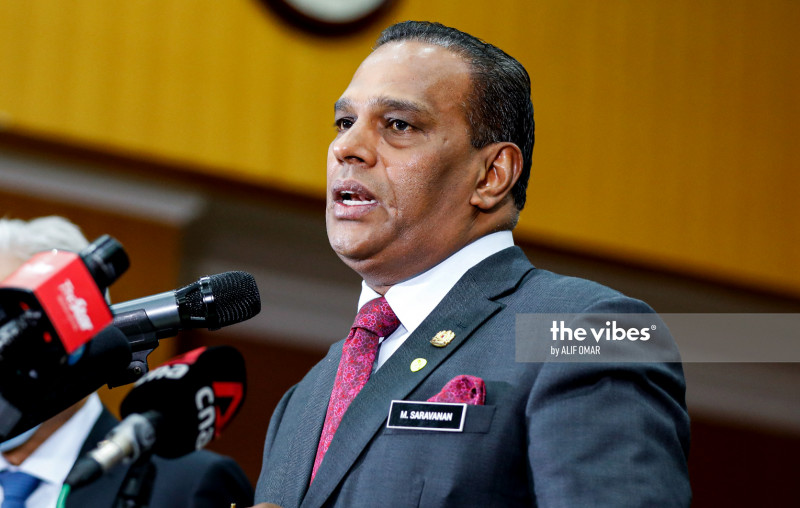
As such Human Resources Minister Datuk Seri M. Saravanan gave his “personal commitment” to address the scourge of forced labour.
“I know what it is like to be a descendant of migrant workers and the conditions they lived under.
“You have little rights,” Saravanan said, revealing that his forefathers were brought in by the British 200 years ago as indentured labourers to work in rubber plantations.
“Given the fact that the issue of forced labour falls under the Human Resources Ministry, I have made it my personal commitment to address the issue immediately.
“This includes ratifying the 2014 Protocol to the International Labour Organisation (ILO)’s, Forced Labour Convention 1930 and adhering to the 11 indicators outlined by ILO,” he said.
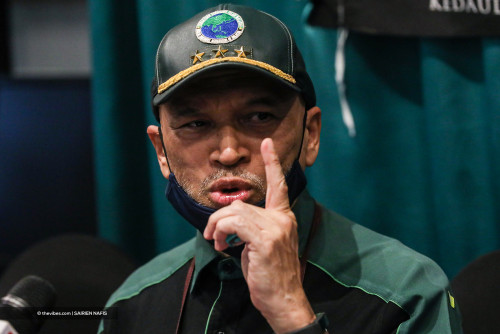
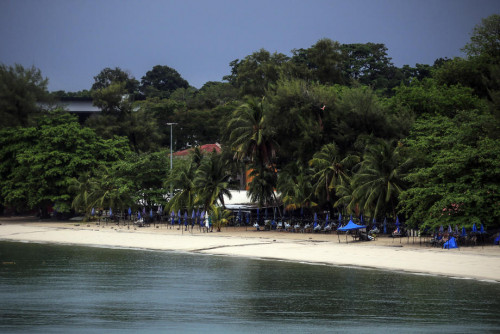
Saravanan was speaking at a press conference after officiating the Human Resources Development Corporation’s open day and national forum series at The Light Hotel in Seberang Jaya today.
The two-day event ends tomorrow.
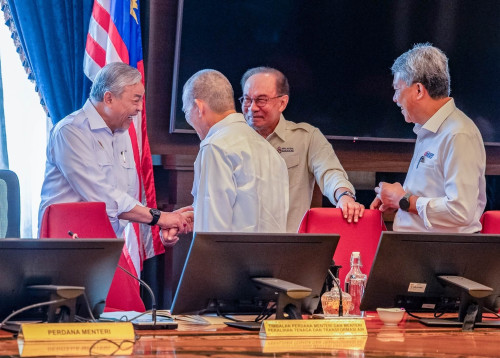
Also present was Plantation Industries and Commodities Minister Datuk Zuraida Kamaruddin, HRDCorp’s chairman Datuk Seri Jamil Salleh and chief executive Datuk Shahul Hameed Dawood.
Saravanan said in Malaysia, forced labour is often associated with migrant workers, due to their vulnerability and the country’s high reliance on migrant workers in labour intensive sectors and industries.
“The victims of forced labour may be coerced or tricked into the situation.
“Many are subjected to horrible living situations, bound by a debt bondage and have their passports and wages withheld and these situations render it impossible for them to leave the host nation.
“While the fight against forced labour is not new, the issue has gained more attention in the last decade.
“It must be noted that in addition to the legal and moral obligation to eliminate forced labour, countries also have an economic and reputational interest in combating the issue within the borders,” he said.
Saravanan, therefore said it is very important for Malaysians to address the issues quickly, progressively and effectively to resolve the long-standing issue.
To end the issue, he said the ministry has made it mandatory for employers looking to employ migrant workers to comply with the Workers Minimum Standards of Housing, Accommodation and Amenities Act 1990 (Act 446).
He added that as chairman of the special committee to study labour trafficking under the Anti-Trafficking in Persons and Anti-Smuggling of Migrants Council, he has instructed his ministry to work with the relevant parties to implement necessary measures to combat the problems of forced labour.
“This includes other relevant ministries and agencies, employers’ associations such as Malaysian Employers Federation and the Malaysian Trade Union Congress, private sector industry players, academia, non-profit and civil society organisations as well as the public.
“The forum will also discuss the ministry’s National Action Plan on Forced Labour (2021-2025), which was last year, particularly its four strategic goals to combat forced labour completely in the next five years,” Saravanan said.
He reiterated that the 11 indicators of forced labour include forcing one to work overtime, not paying wages, and withholding the passports of migrant workers.
What is troubling, he said, is that many employers are not even aware of the indicators and that they are committing forced labour.
“Industry players claim that they hold the passports because they fear the migrant workers will lose their passports, so they hold the passports, but now employers cannot hold the passports of migrant workers.
“Migrant workers now must undergo an awareness program where they will know their rights and what they are eligible for and react through the Working for Workers application as they need not go to the labour departments to lodge a complaint,” Saravanan added. – The Vibes, March 10, 2022