
KUALA LUMPUR – The nation’s transition into the endemic phase has apparently received the seal of approval from medical experts who are in agreement that the move is one that can no longer be put off, for the sake of the public and the nation as a whole.
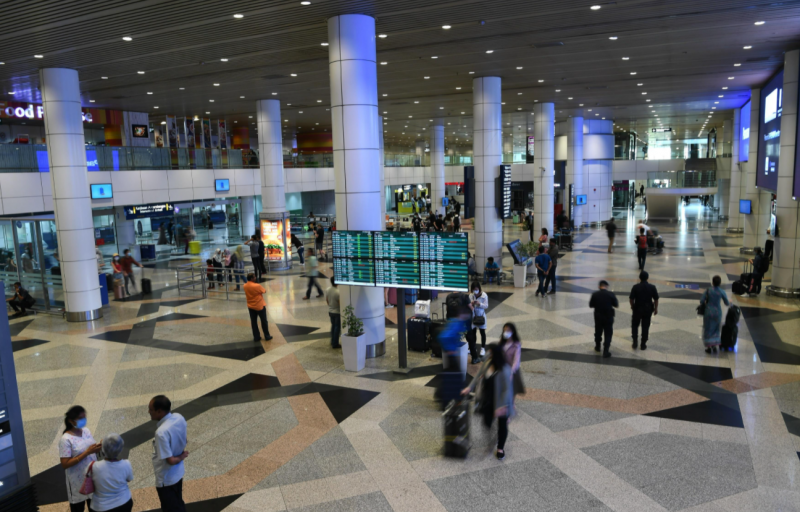
Speaking to The Vibes, Malaysian Medical Association president Dr Koh Kar Chai said that since many countries have already reopened their borders as they too transition into living sustainably with the Covid-19 virus, Malaysia following suit is an apt decision.
“We need to move forward as the nation needs to recover economically. There is no question about whether or not to open our borders, it is just a matter of how we do it.
“As long as our public healthcare system is prepared and we have a good health surveillance system in place, the borders can be opened,” he said, noting that managing an endemic situation is just as challenging as managing the pandemic itself.
Dr Koh stressed, however, that the announcement should not be seen as a pass to throw all precautions to the wind.
“On the contrary, people should be even more cautious now as the current Omicron strain of the Covid-19 virus and other future variants will be with us in a stealthy manner.
“We do not know what the future holds and when the next pandemic will hit us. While we may be entering an endemic state, we have to be prepared for any possibility,” he said, adding his call for the Health Ministry to address any issues that will arise in time to come.
Commenting on standard operating procedures (SOPs) that are set to be more lenient in accordance with the nation moving to live with the virus, Dr Koh believes that while there should be breathing room in the new SOPs, the government must be ever-ready to adapt.
“The amended SOPs during this transition period should not be too stifling in nature but should be adjusted as necessitated by conditions at that time.”
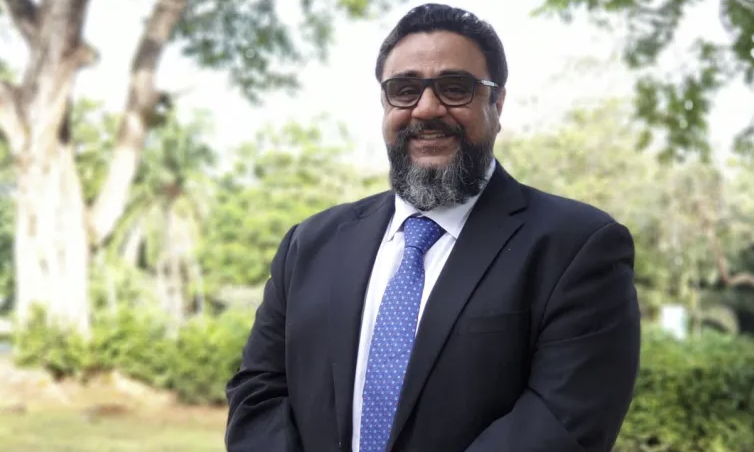
Expressing similar sentiments, Dr Sanjay Rampal of Universiti Malaya’s Social and Preventive Medicine Department told The Vibes that the transition into the endemic phase will allow attention to be diverted to other pressing health issues within the community.
“Major policy shifts include deprioritising Covid-19 while refocusing on other health problems our society is facing.
“Collateral effects from the Covid-19 pandemic include reduced emphasis on the prevention and management of many noncommunicable diseases.
“There are also many structural determinants of health that have been ignored over these past few years as we tackle the pandemic. It is time that we direct our attention to these matters as well,” the specialist on public health medicine and epidemiology professor said.
Dr Sanjay noted that endemicity does not completely erase the presence of Covid-19 from the world as disease transmission is expected to continue albeit at a lower rate in the future, which points to the virus being a long-term issue that needs to be addressed in a sustainable manner.
He added that to ensure clear and consistent delivery of information on Covid-19 to the public, relevant policies should come from only one appointed source, be it a committee or a task force.
“All the various ministries should reorientate their efforts to their main ministry objectives. If necessary, ministries can still channel their input to the committee or task force designated to handle policies on Covid-19.”
On March 8, Prime Minister Datuk Seri Ismail Sabri Yaakob had announced that Malaysia will begin Phase 1 of the transition towards the endemic phase of the Covid-19 pandemic starting April 1.
All restrictions on operating hours will be lifted and businesses can open according to the conditions set by their respective licences, while the public will be able to dine out past midnight, and 24-hour convenience stores can open as normal. – The Vibes, March 13, 2022