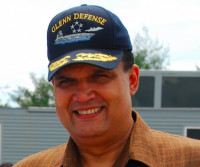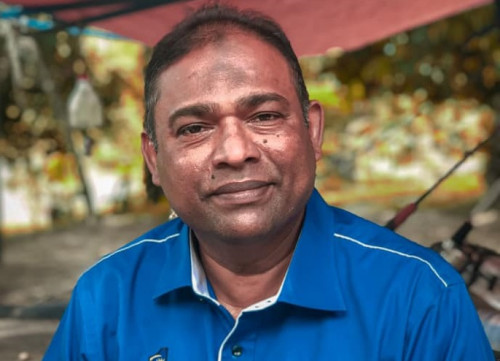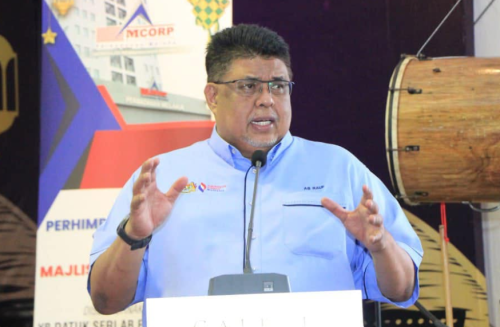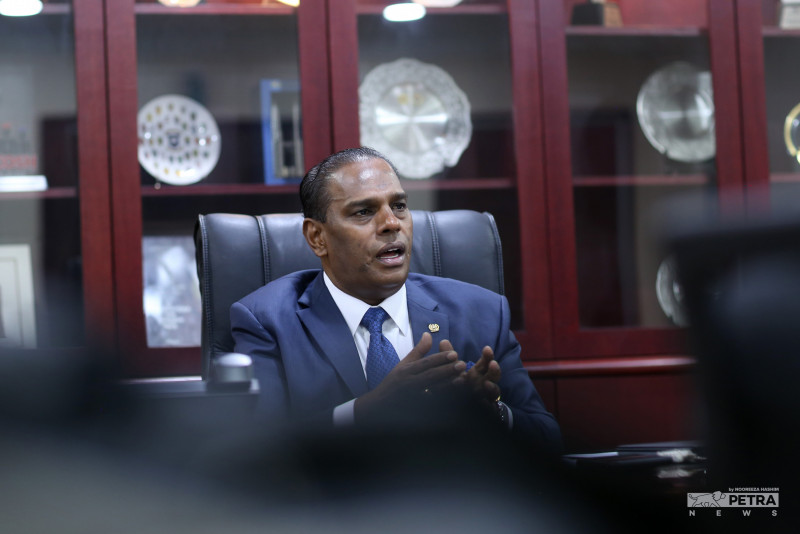

KUALA LUMPUR – The United States has acted unfairly in its bans on exports from several Malaysian companies over allegations of forced labour, Human Resources Minister Datuk Seri M. Saravanan said.
In possibly his strongest remarks against the US sanctions, Saravanan said American authorities have failed to explain what violations the Malaysian firms have committed, especially after investigations by his ministry were unable to identify such issues.
He said the bans imposed by the US Customs and Border Protection (CBP) had exacerbated the misconception of rampant forced labour in Malaysia.
“Of course I feel it is unfair. That's the reason I questioned them. If I felt they had done a fair thing, I wouldn’t have requested information from them,” he told The Vibes.
“I asked them to give additional information why the actions were taken for two reasons; I wanted to know if the allegations were true, and to avoid the issue from repeating in the future.
“The questions I asked were after I conducted my own probe. If I had immediately sought clarification from them after the bans were issued, there would be something wrong with me.
“But in my case, I had conducted an investigation. I couldn’t find anything (wrong) within the ILO’s 11 indicators of forced labour,” Saravanan said, referring to the International Labour Organisation.
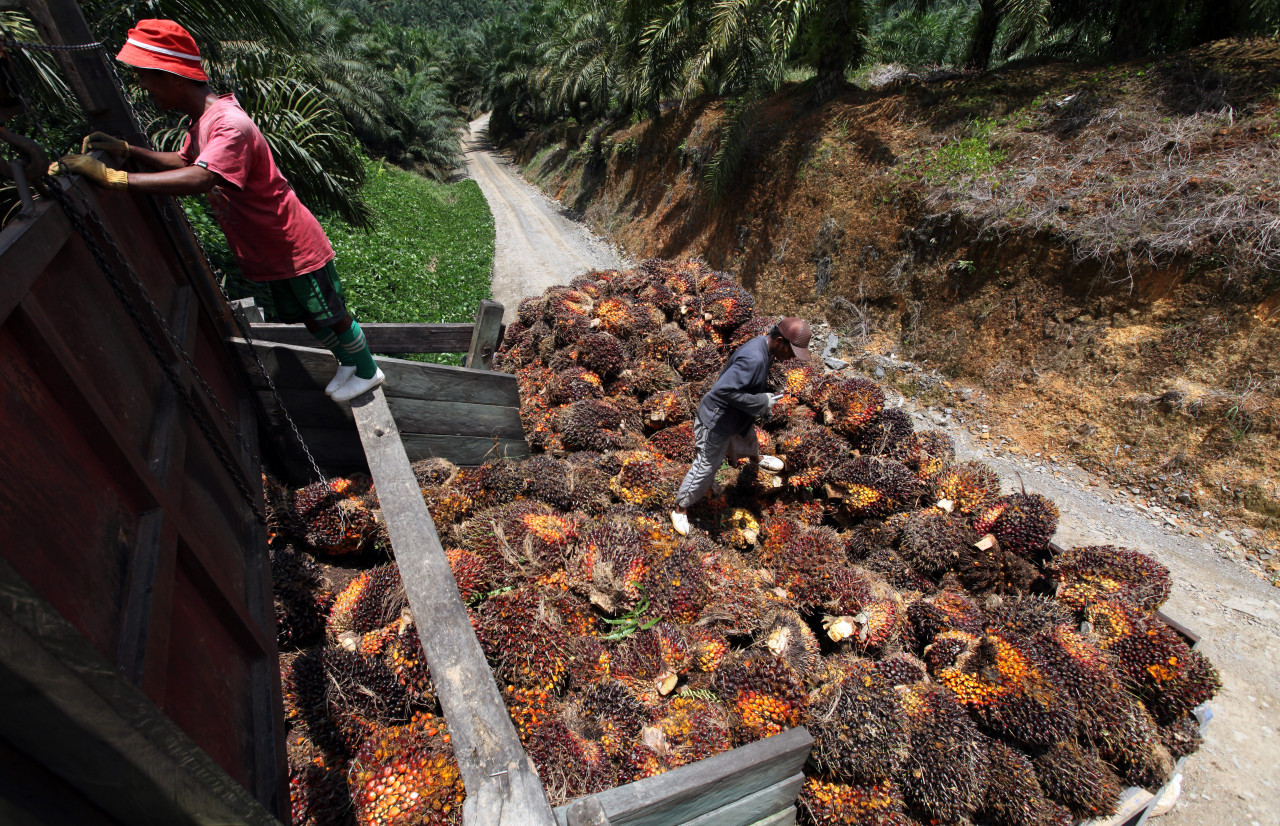
The CBP has in recent years issued eight withhold release orders to eight Malaysian companies in the rubber and plantation sectors, effectively barring them from exporting to the US. Two of the orders have since been lifted.
In July last year, the US State Department also downgraded Malaysia to the lowest tier of its annual Trafficking in Persons report, along with the likes of North Korea and Myanmar, citing issues of forced labour among others.
Last month, Saravanan had urged the ILO and US Embassy in Malaysia to notify his ministry of any investigation of forced labour in order to look for solutions.
What about abuse in source countries?
The minister said Malaysia has taken measures to address issues of forced labour, but is unable to tackle problems such as debt bondage that happen in source countries that provide Malaysia with foreign labour.
“If the CBP is truly serious (about eliminating forced labour), they should consider the positions of both countries on where the offence took place,” Saravanan said.
“Say for instance an agent collects some money, how am I to know? The only thing I can do is, if for example I am given that information by the US, is to blacklist or revoke the agent’s licence.”
Saravanan said this is the exact problem faced by the six Malaysian firms still subject to WROs, despite their best efforts, as they do not have any control over how agents arrange to have workers sent over to Malaysia from their countries.
The minister said he will be travelling to the US this month to seek clarification over the export bans imposed on Malaysian companies, after failing to get useful feedback from US ambassador to Malaysia Brian D. McFeeters.
“Tell us why our products are being barred and how we can work hand in hand in future. That's all I’m asking. It’s just like when police conduct a probe and they ask for additional information from the public to assist them.” – The Vibes, May 1, 2022