.jpg)
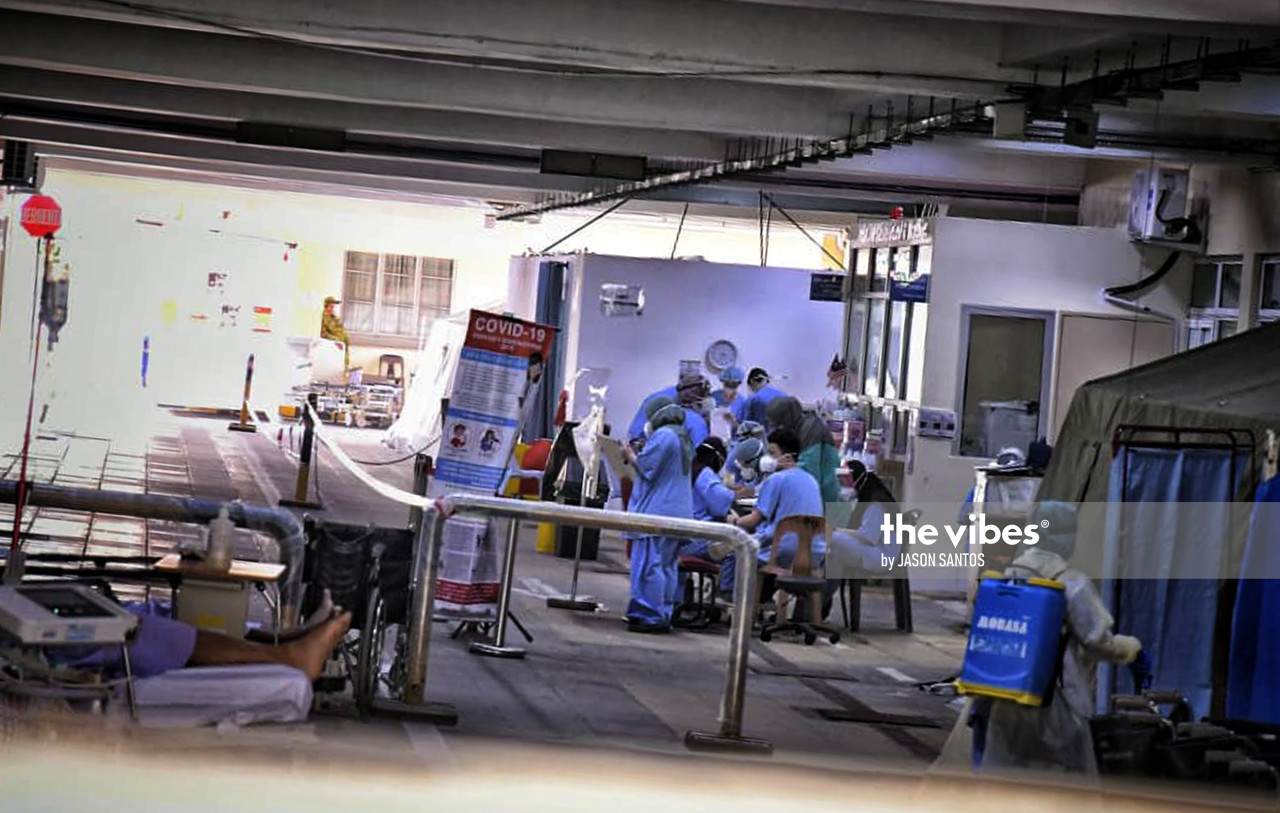
KUALA LUMPUR – Ineffective hands-on training, paired with endless onslaughts of verbal abuse within a bloated and flawed system, has been identified by some doctors as among primary contributing factors behind the stress endured by housemen.
Speaking to The Vibes on condition of anonymity, these local medical officers (MO) revealed insights into life under housemanship as they experienced it some years ago, and through the eyes of someone that oversees today’s house officers.
A common tone from these MOs was the training system for these young doctors is far from efficient and had failed to instil teamwork and camaraderie among peers, which in turn churns out subpar doctors.
“A big problem today is everyone is working in silos, so there is no communication, no teamwork among the housemen, as opposed to when I was a junior doctor where the entire team would be punished for the mistake of one person.
We had to make sure our juniors knew what they needed to do and how to do it, so that sort of responsibility for your peers instilled teamwork among us, which I don’t see much of today,” said Dr P.
A fellow MO, Dr A, said another issue was that many fresh medical graduates do not know how to undertake basic tasks, which results in them being on the receiving end of verbal rebuke.
He said the situation is compounded by the size of groups under the supervision of one senior MO or specialist, and how difficult it is to keep tabs on more than 20 juniors while tending to other clinical duties.
“It makes it very difficult for these junior doctors to cope and catch up because of bad supervision, and that’s caused by a broken system.
“They are unsure of how to do certain procedures, and when they fail, they are shouted at by the senior doctors, which creates tension and reduces efficiency and goes on in a vicious cycle,” he told The Vibes.
Of menial tasks and survival of the fittest
Dr P recalled how when he was once a houseman learning the ropes around five years ago, he was forced to work for up to 23 days consecutively and even experienced days where he cried himself to sleep.
“There were days where I went to sleep clenching my fists, my teeth, crying myself to sleep. I can still remember to this day the people who were unfair to me and caused me such anguish.”
Now, Dr P said much of the things he was previously reprimanded over have been removed from the responsibilities of housemen, leaving them to handle menial tasks.
Because of how they are trained without proper supervision, they sometimes do not know how to do the simplest of tasks, seeing that they have responsibilities being taken away from them. And these are the people who will become MOs not knowing how to do their jobs,” he said.
Another doctor, Dr S, who wrote to The Vibes, agreed how housemen are now expected to carry out administrative tasks usually done by attendants or nurses but are subjected to insults when they slip up on what is supposed to be another person’s job.
“The housemen are bullied by everyone in the present failed system and receive sullied brickbats from the people who are supposed to teach them, the MOs and the consultants.
“Hence, only the toughest with thick skin can survive,” said Dr S.
Calls to revamp methods of training housemen have intensified following the deaths of two junior doctors in as many years, one of which was an alleged suicide due to stress.
Earlier this week, The Vibes reported the sudden death of a houseman posted to Penang Hospital in early April who fell and died from an office building in George Town on Tuesday.
The concept of only the strongest surviving was a view also shared by both Dr A and Dr P, who conceded that the levels of stress these housemen endure can very likely push someone to their limits.
It is very possible in my view, because, depending on certain departments and doctors in charge of it, the abuse can get very bad and some find themselves not cut out for the profession after being insulted repeatedly,” said Dr A.
Of hierarchy and arbitrary powers
A practice within the medical line that perpetuates elements of arbitrariness and hierarchy, said Dr A, is the concept of “tagging”.
“Tagging”, he said, sees the “tagged” person work from 5am to around 10pm every day indefinitely until they are allowed to be “off tag”, which is normally decided by senior doctors.
The problem is the absence of specific criteria that need to be fulfilled to excel at being “tagged”, leaving room for arbitrary decisions by seniors, he added.
Dr A said one such situation of senior doctors abusing their powers sees them applying sexual harassment toward female housemen.
“They will tell a female doctor something along the lines of ‘If you don’t use a short skirt to work, I will not allow you to be off tag’.
On the other hand, if an MO does not get along with the housemen, he can decide to just extend his tag duty, which is very taxing, so it arbitrarily gives a lot of power to one person,” he said.
Dr S agreed, saying that the affirmation of hierarchy within the medical practice, paired with verbal abuse, contributes to the flawed system that was meant to train up-and-coming doctors in a professional setting.
He said despite many seeing being a doctor as a noble profession, the attitude, and ethics of several MOs and even specialists suggested the total opposite of nobility.
“House officers are humans too. Most toxic and noxious MOs and consultants in the housemen training hospitals have forgotten that.
I presume they – MOs and consultants – too went through the same ordeal and are now venting all their frustrations on these innocent housemen.”
In contrast, Dr P said the practice of “tagging” was a pivotal part of a junior doctor’s learning curve, and that every houseman must go through.
He said his first time on “tagging” duty saw him work up to 100 hours per week that lasted right through Hari Raya holidays at that time, forcing him to work through the festive period without any off days.
“I can see how some might see it as bullying, but in my view, if you do not go through it, you cannot be as good as you need to be,” he said. – The Vibes, May 6, 2022
Those suffering from mental health issues can call Talian Kasih at 15999, or reach out to Befrienders at 03-7627-2929 or [email protected] for support