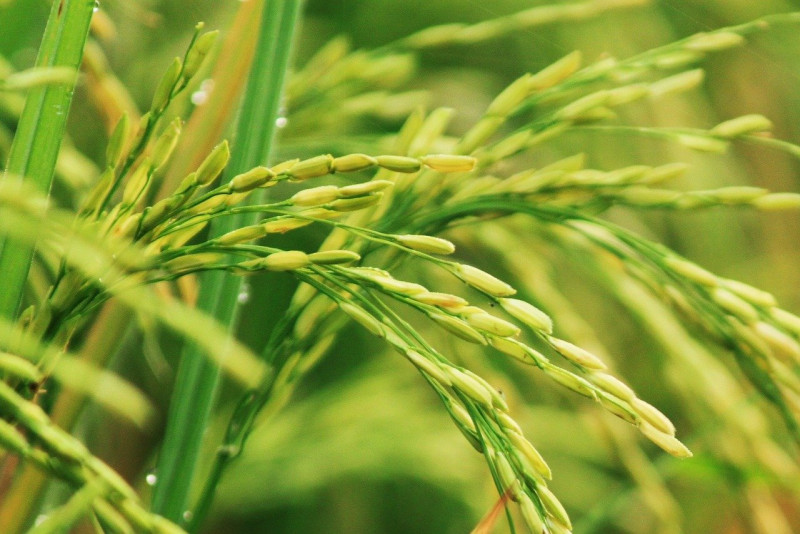

KUALA LUMPUR – The delivery delays of subsidised fertiliser to paddy farmers in Kedah as reported yesterday were due to a lack of raw material critical to producing the product – muriate of potash (MOP) – caused by the Russian-Ukrainian war.
National Farmers’ Association (Nafas) chairman Datuk Zamri Yaakob told The Vibes’ sister portal, Getaran that the substance was imported from Belarus and it could not leave the Slavic nation due to the ongoing international conflict in Eastern Europe.
This, in turn, led to farmers being unable to produce the perfect fertiliser mixture.
“There were definitely complaints, because our fertiliser supply does not meet the demands of the farmers and the schedule has run off course. This is not our fault; it is due to the supply of our imported fertiliser.
“We import about 70,000 to 80,000 tonnes of MOP fertiliser per year. All of our stocks come from Belarus, so when the (Russia-Ukraine) war happened, the fertiliser could not be exported because of transportation issues,” he said.
While the issue of delayed deliveries has since been resolved when the Nafas factory in Gurun, Kedah began producing 1,000 tonnes of fertiliser a day, Zamri said that the factory had previously been forced to cease operations for 40 days because of supply shortages.
He added that the group will be more proactive in dealing with such problems in the future.
For instance, they have planned a visit to their factory this Thursday along with board members who are involved with paddy.
“We will also be hearing a briefing from the factory management so that updates on the issue can be delivered to farmers,” he said.
Yesterday, Getaran reported that slow deliveries of subsidised fertiliser had arisen as farmers struggled to increase their yields and income.
Amanah vice-president Datuk Seri Mahfuz Omar said he had received many complaints from farmers regarding the matter, noting that some urged the government to expedite deliveries as the amount of fertiliser currently distributed is insufficient.
Consumers bemoan price hike of basic goods
Meanwhile, checks by Getaran in supermarkets in Kuala Lumpur revealed a stark price increase for the majority of vegetables and chickens.
According to a nasi lemak seller, Irwan Nadar, 32, the price of wet goods has also continued to rise, albeit imperceptibly.
“I used to buy cucumbers at around RM2 to RM3 per kg, but now they cost more than RM4 for the same amount. The price of groundnuts and dry chillies have also gone up,” he said, adding that the rising price of chicken has had an impact on his business.
Similarly, private sector employee Liew Siew Meng, 67, said that while rising prices are undeniable, consumers have little to no choice but to accept conditions.
“I noticed that bird’s-eye chillies used to cost RM18 per kg, but the price is around RM25 now. The same price hike can be seen in dry goods such as herbs,” he pointed out.
A supermarket worker, who wished to remain anonymous, said that insufficient chicken supplies have been arriving late to premises since yesterday, while restaurant owners around Jalan Ipoh also reported late arrivals of chicken supplies.
“Our chickens normally arrive around 9am, but we only got them at 11am today and at a much smaller quantity than usual. We could only prepare two chicken dishes today,” one owner said.
Another business operator said that they have not been able to purchase fresh chicken since a week ago, as poultry sellers would run out of stock before 12pm.
“I am disappointed…this issue has never happened before, to the point where I am forced to buy meat and fish, which are more expensive,” they lamented. – The Vibes, May 23, 2022
Additional reporting by Rubini Nagarajah















_Datuk_Rusdi_Mohd_Isa._Facebook_pic..png)