.jpg)

KOTA KINABALU – The Sabah Wildlife Department says it has wrapped up investigations into one of Malaysia’s largest pangolin smuggling hauls that took place in 2019.
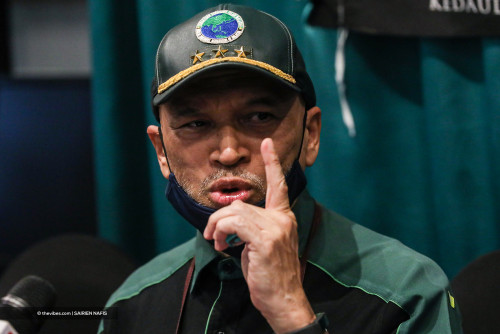
Sabah Tourism, Culture, and Environment Minister Datuk Jafry Ariffin said the department is now filing charges before the case is brought to court.
“At this point, only one suspect has been identified and during questioning, he claimed to own a transporting firm,” Jafry told The Vibes.
“This brought authorities to check on his business premises located in Bundusan, Penampang.”
On February 7, 2019, Wildlife officers and police raided a processing factory in Kota Kinabalu Industrial Park (KKIP), seizing 226 boxes of frozen products believed to be pangolin meat.
They also arrested a 35-year-old man believed to be the factory manager.
The alleged manager later led the authorities to a warehouse in Kg Bontoi in Tamparuli, Tuaran where 1,860 boxes of frozen pangolin meat and 62 live pangolins were confiscated.
The authorities also seized two bear paws and the carcasses of four flying foxes in the raid.
According to Jafry, the suspect, a man from Johor, was remanded for six days and was released on a police bond with one local surety on February 14 this year.
Authorities have questioned six other witnesses, including the owners of the factory and warehouse, he said.
Jafry said the authorities have seized a record 30 tonnes of pangolin meat and related products, in the biggest such bust the country has seen to date.
He said vehicles were also seized, comprising a sedan and a van, that were registered to a different owner who could not be traced, as well as the individual whose name was registered for power utility billing at the factory in KKIP.
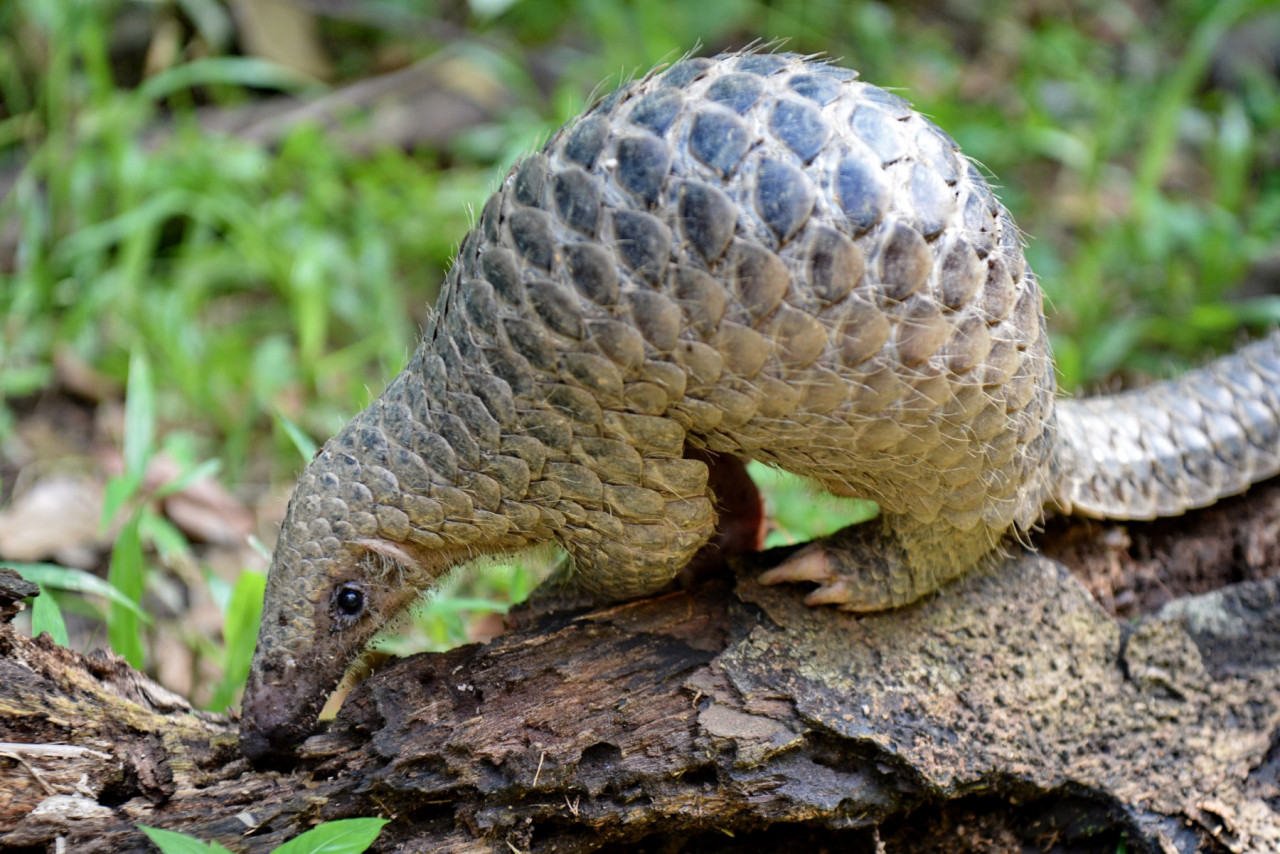
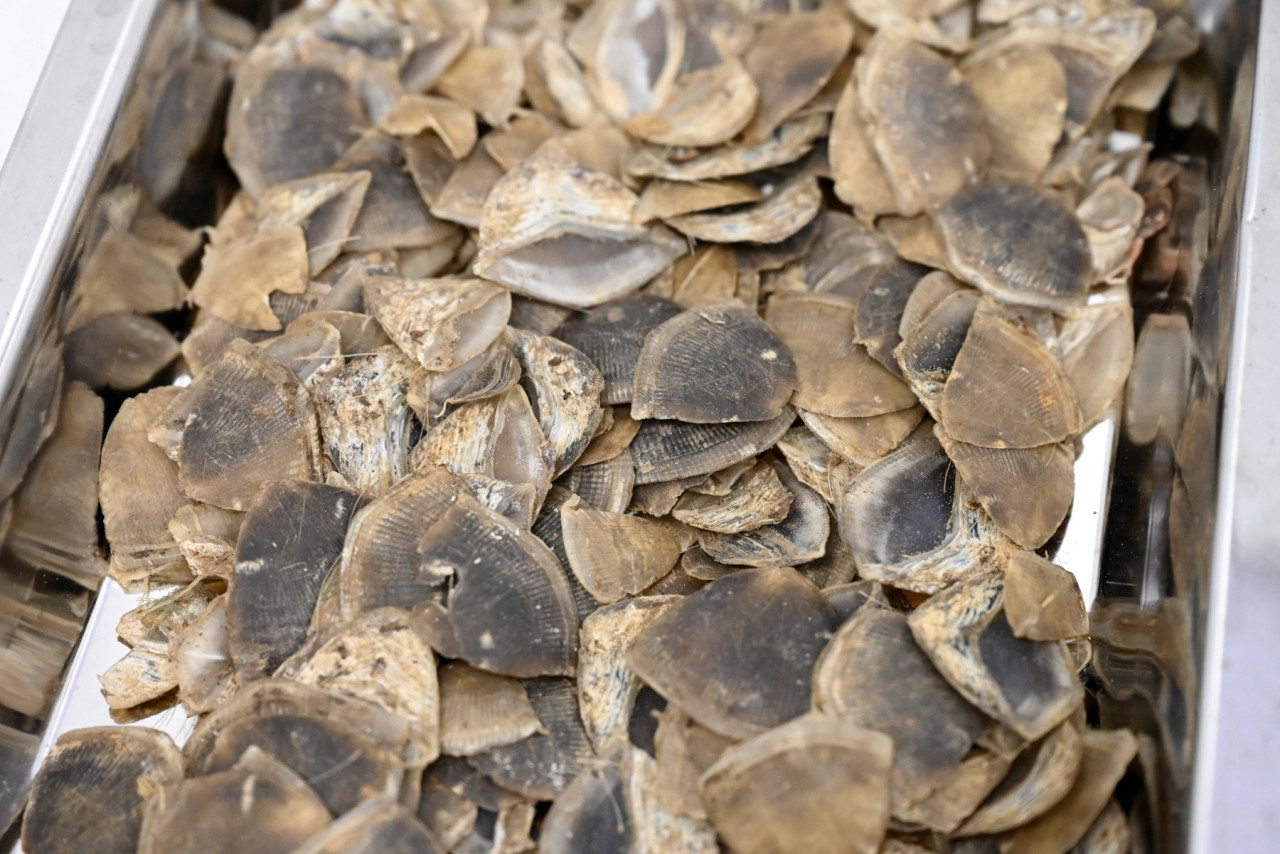
Jafry added that samples taken from the confiscated meat from both locations confirmed they were the flesh and scales of pangolins from the Manis Javanica species, following a lab test.
Meanwhile, the surviving pangolins, from a similar species and kept at the Lok Kawi Wildlife Park’s animal clinic, were eventually released back into the wild at the Tabin Wildlife Reserve, said Jaffry.
However, out of the 62 live pangolins seized, only 24 survived before they could be released into their natural habitat.
Jafry said investigations on the case were met with several delays due to the Covid-19 lockdown in May 2020, with individuals of interest refusing to be interviewed due to the pandemic.
Wildlife groups had previously questioned the delays over the investigations but queries to authorities on the matter were not entertained at the time.
Wildlife monitoring group Traffic has described the case as the biggest pangolin bust in the country.
Pangolins are the most trafficked wildlife in the world due to the high demand for their scales and claws.
The mammal is protected under national and international wildlife laws, including in Malaysia.
The Sunda pangolin, with the scientific name Manis Javanica, is one of the two species listed as critically endangered by the Convention on International Trade in Endangered Species of Wild Fauna and Flora (CITES).
In Sabah, pangolins are listed under the State Wildlife Conservation Enactment 1997, and offenders can be fined up to RM250,000 and five years imprisonment upon conviction. – The Vibes, June 15, 2022