
KUALA LUMPUR – Expensive megaprojects in the pipeline should be halted with the funds initially meant for construction should instead be channelled towards efforts to reinstate poultry and palm oil subsidies, said the Federation of Malaysian Consumers Associations (Fomca).
Fomca president Datuk N. Marimuthu said halting these megaprojects would also allow the government liquidity to utilise their funds in ways that ensure sufficient food supply and stable prices of goods.
“This decision (to abolish subsidies) is not beneficial because it does not make sense.
Because the people have suffered for two years. They are just beginning to manage their lives properly, and suddenly the government makes such a decision.
“The government can delay posh projects and channel these subsidies toward our daily livelihood. At least, to ensure the people are living comfortably for the time being.
“The government should not wash their hands clean because we choose a government to look after the people’s livelihoods, not to cause trouble to the people,” he told The Vibes Malay language sister portal, Getaran.
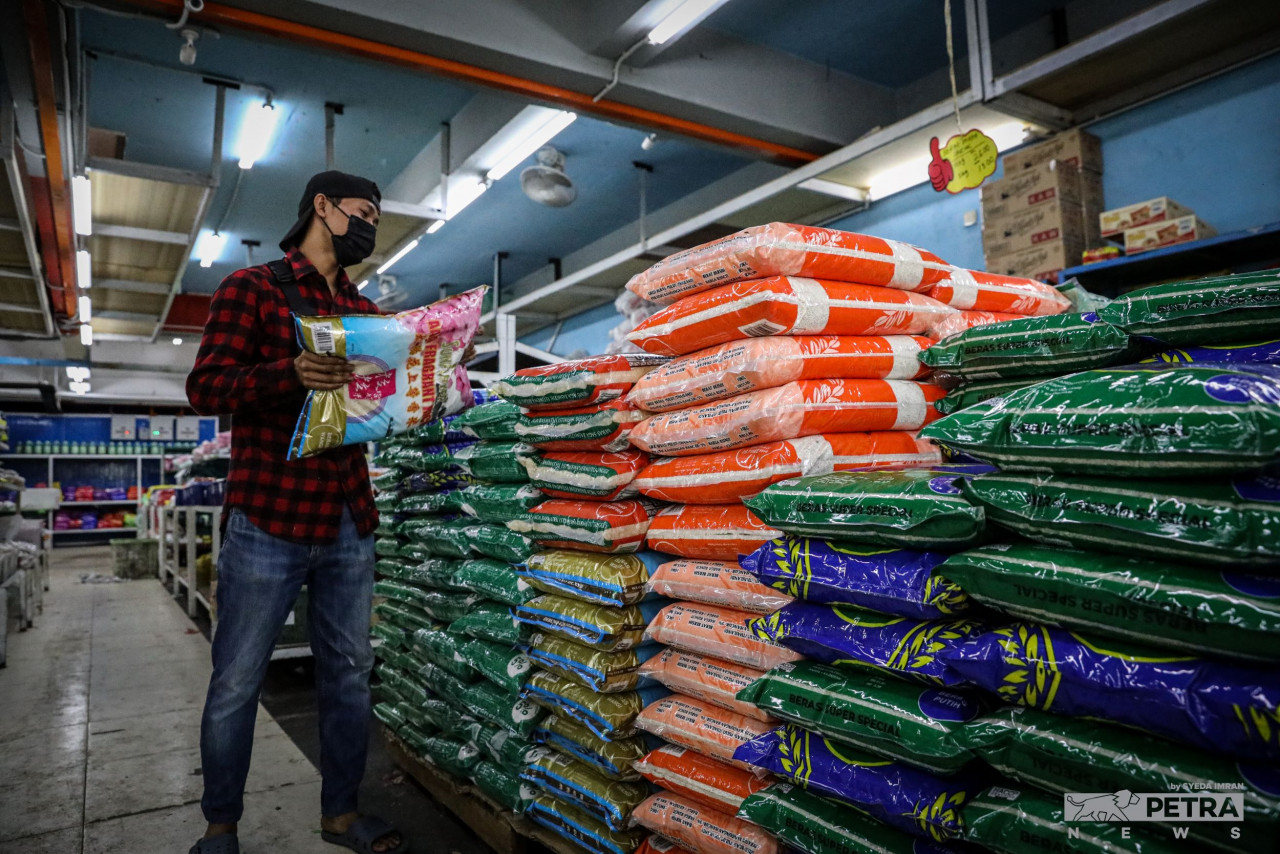
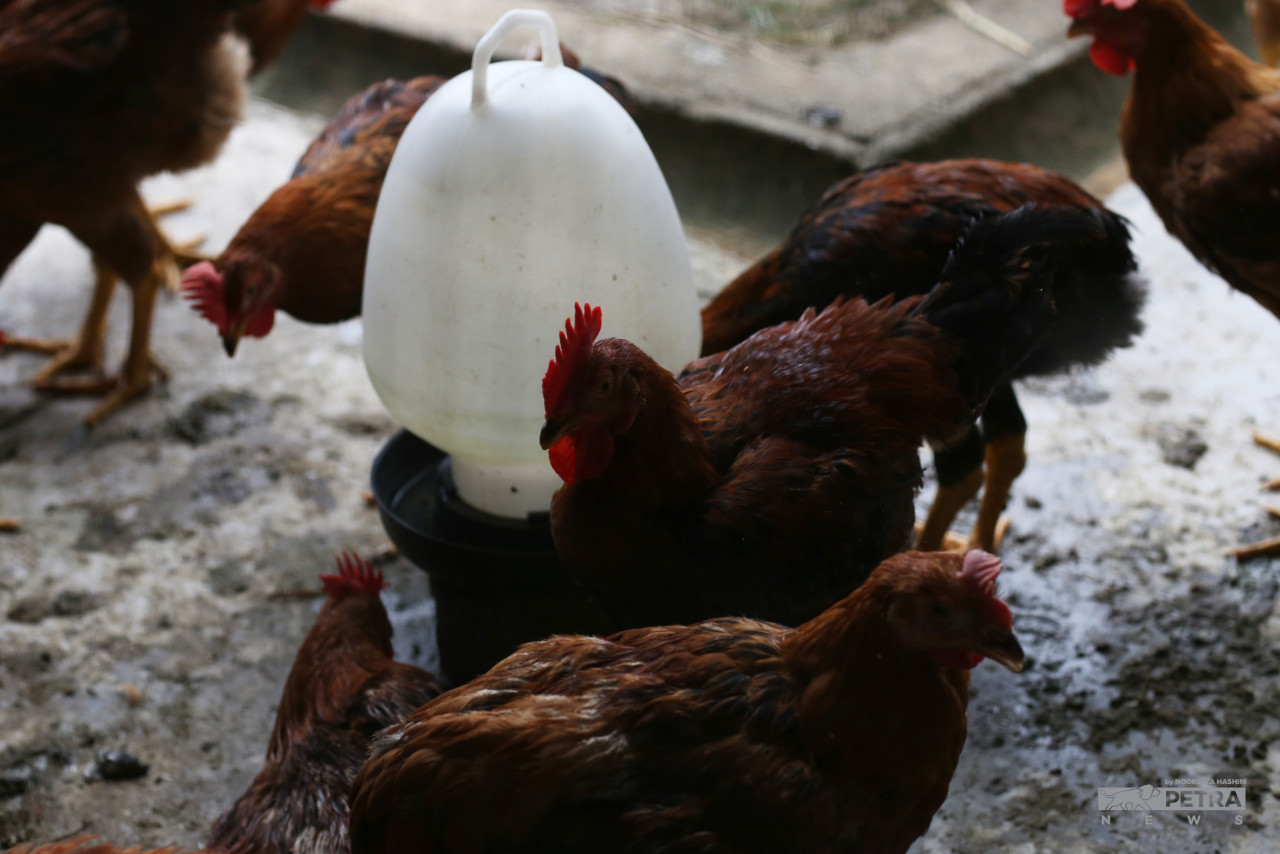
This comes in response to the government’s decision to retract subsidies previously given on bottled palm oil cooking oil and poultry products beginning July 1.
Following strong criticism of their decision, Prime Minister Datuk Seri Ismail Sabri Yaakob on Wednesday announced increased payouts for recipients of the Bantuan Keluarga Malaysia (BKM) aid program to weather the impending increase in prices.
Marimuthu further condemned the government, pointing out their failure to address these issues and lack of foresight in their decisions, especially those concerning food security which has become more apparent of late.
You (the government) want to import from abroad, go ahead. But you need to have a plan, you cannot make such an impulsive decision and burden the people.
He stressed the need for the country to come up with a comprehensive agricultural policy, addressing the litany of issues plaguing the industry, while claiming some 800,00ha of land designated for farming has been left abandoned.
Marimuthu asserted such circumstances only highlight the need for the government to support the growth of local small, and medium enterprises (SMEs) in the farming industry, something which he said was lacking.
“They (farming SMEs) are forced to approach middlemen to seek loans and this ends up burdening them further.
“So, all policies that have been implemented by the government are ineffective, inaccurate, but why are they trying to fault the consumers?” he questioned.
Who is benefiting?
Also weighing in was Datuk Nadzim Johan, chief activist of the Malaysian Muslim Consumers Association, who reiterated how the people are the ones who will end up suffering following the removal of subsidies for basic goods.
He said the government needs to study a better mechanism for the distribution of subsidies to ensure it benefits the correct target groups who require aid.
Nadzim said he feels there also needs to be a better system thought up for the distribution of fuel subsidies, also to ensure the correct groups are benefiting from it.
“For example, you use petrol, which is already subsidised by the government. And that probably will not cost much for those using motorcycles, correct?
For those using Rolls Royce, Mercedes Benz, and BMWs, these are the ones reaping most of the subsidies.
“Annually these subsidies come up to the tens of billions. Once it reached RM30 billion. Why not remove this (fuel subsidy) too?” he questioned.
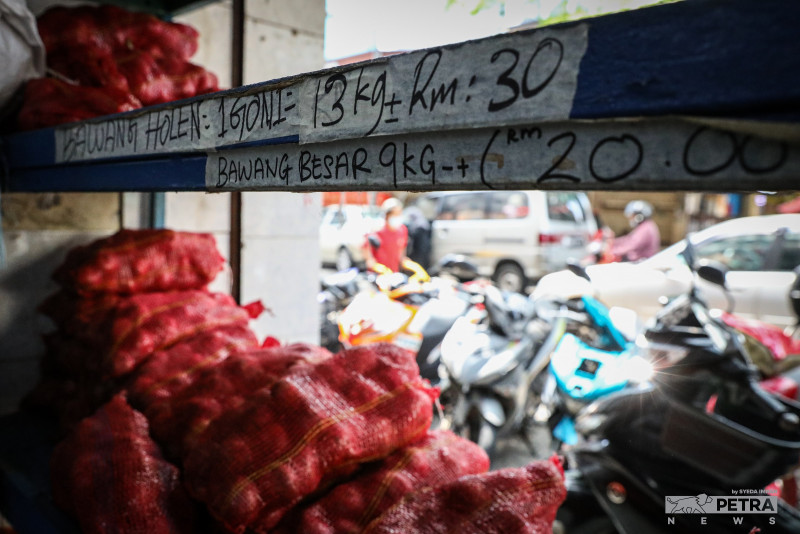
For the head of the Ampang Traders and Small Business Association, Ayob Abd Majib, the smaller traders are among those feeling the brunt of the rising costs of living, with many still reeling from the two years when the Covid-19 pandemic hit.
He said these smaller businesses are just about to find their footing when the government instead announces the revocation of subsidies on essential items, potentially complicating and exacerbating their situation further.
“Many traders were affected by the rising costs of chickens and other items before this, and now from July 1, there will be more subsidies taken away. Such measures will negatively affect smaller traders like us and those in the lower-income (B40) group.
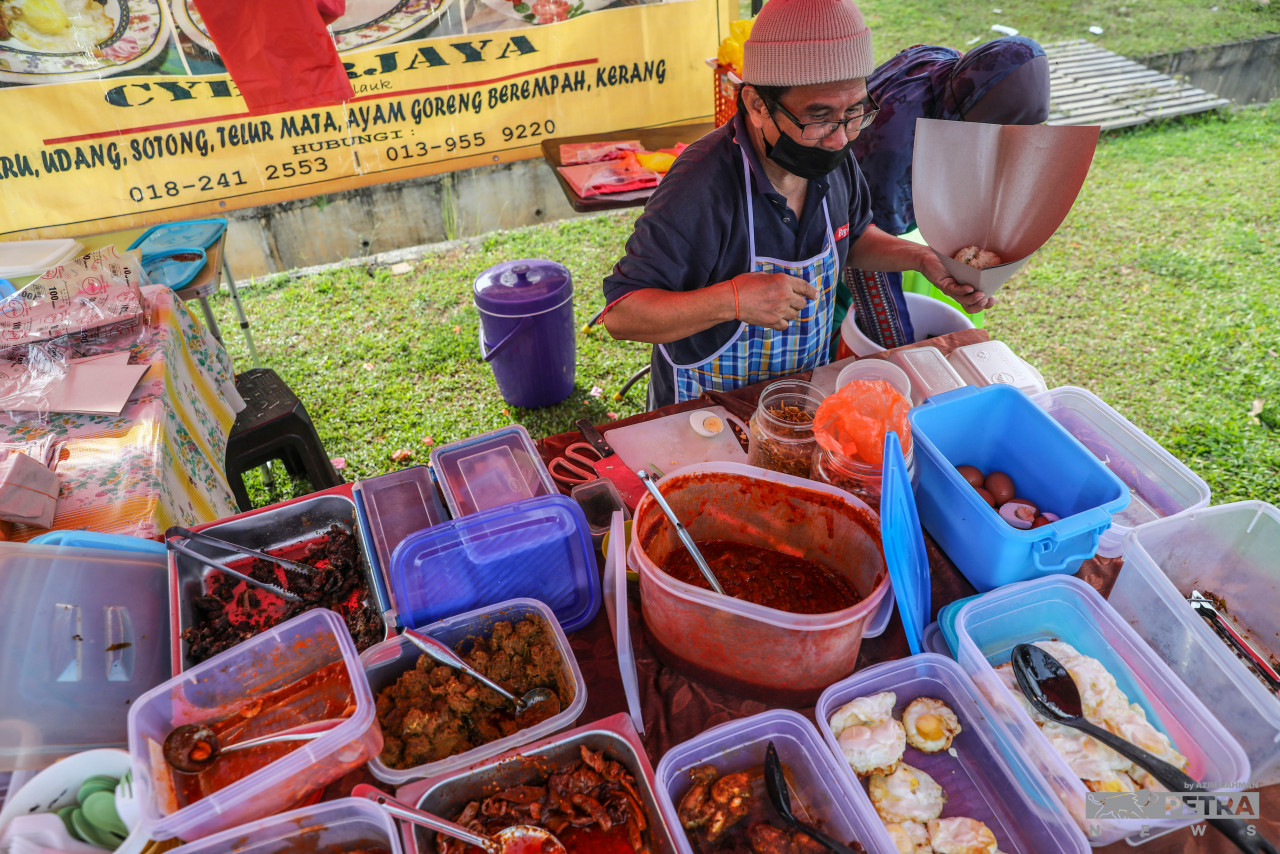
“I feel not only the B40, but many other groups would also be affected after it (subsidy removal) comes into effect, including businesses when they cannot increase prices of their products.
“This is due to fear of customers complaining, boycotting, and not patronising us if we increase our prices,” he said.
Ayob said the government must continue providing these subsidies and find out the best method to distribute them to specific groups like the smaller businesses and traders.
“Maybe the government has their reasons from the economical aspect, but there must be a guideline on how to assist these smaller businesses by ensuring they receive the subsidies,” he said.
Additionally, Federation of Livestock Farmers’ Association of Malaysia advisor Datuk Jeffrey Ng said the federation will continue playing its role in providing input for the government to identify the best method to ensure assistance rendered actually benefits the people.
He said dialogue sessions will be conducted to find out the best way to handle the floating price mechanism following the removal of the ceiling prices, to ensure the burden is not passed onto the people. – The Vibes, June 24, 2022