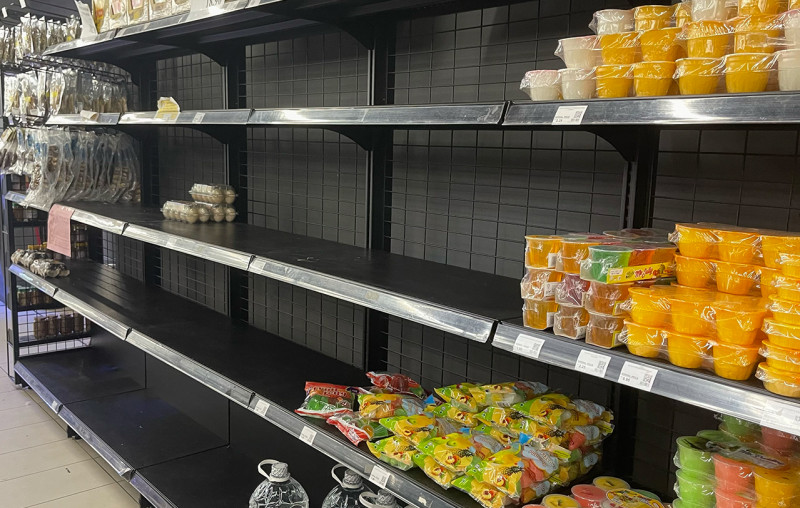

KOTA KINABALU – The supply of eggs and cooking oil in major stores around the city has remained unstable following the spike in the price of both goods since July 1.
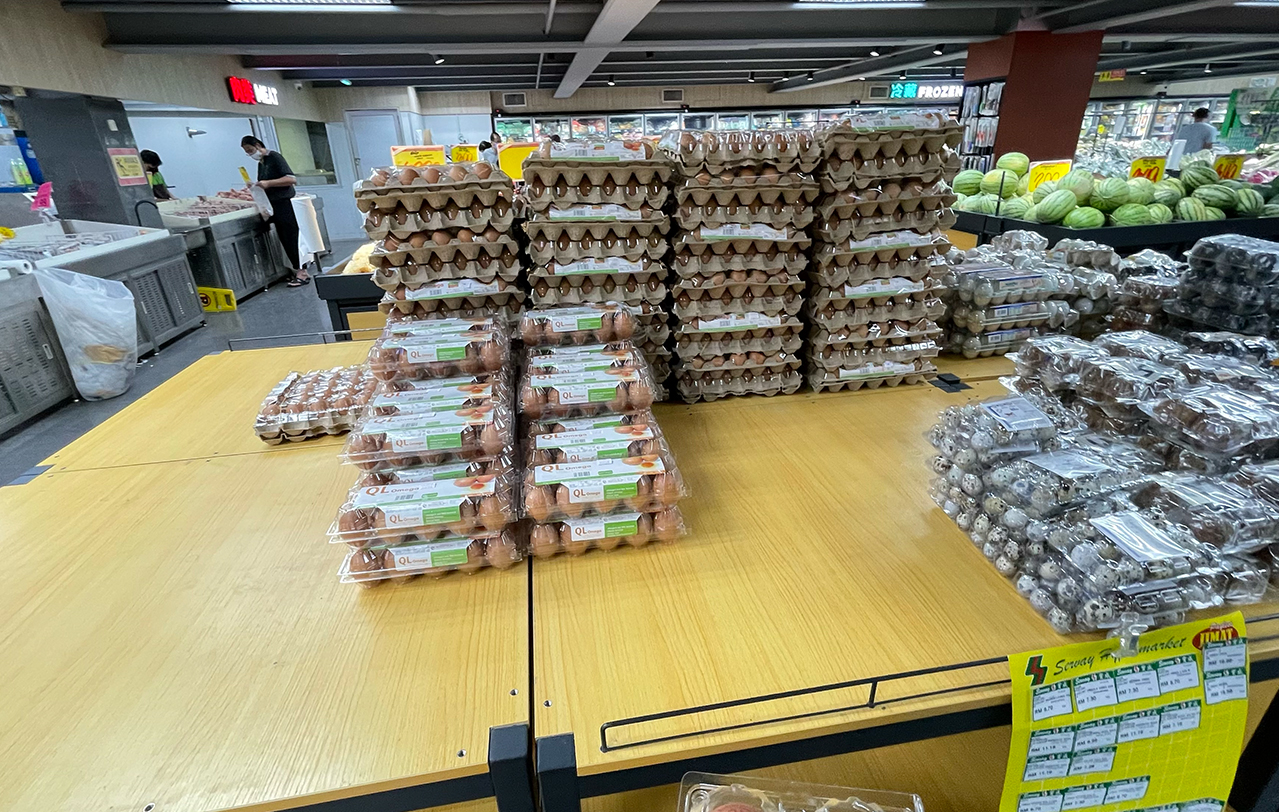
The major stores located in Putatan, Kota Kinabalu and Penampang – namely Servay, CKS and Bataras – respectively saw supplies for both essential items being inconsistent, with operators claiming a surge in demand due to the Hari Raya Haji festivities over the weekend.
A worker at the Servay supermarket in Penampang told The Vibes that the supply of eggs ran out late Saturday and were unavailable throughout Sunday and Monday.
The worker, who only wished to be identified as Emma, said these items were only replenished yesterday.
“Even when the stock arrived early this morning, the supply of eggs and cooking oil was too little,” she said, adding that supplies were also disrupted in almost all Servay stores around the city.
Servay, which has approximately 13 stores located in the three major urban districts, while similar issues afflicted at eight CKS and 14 Bataras stores here.
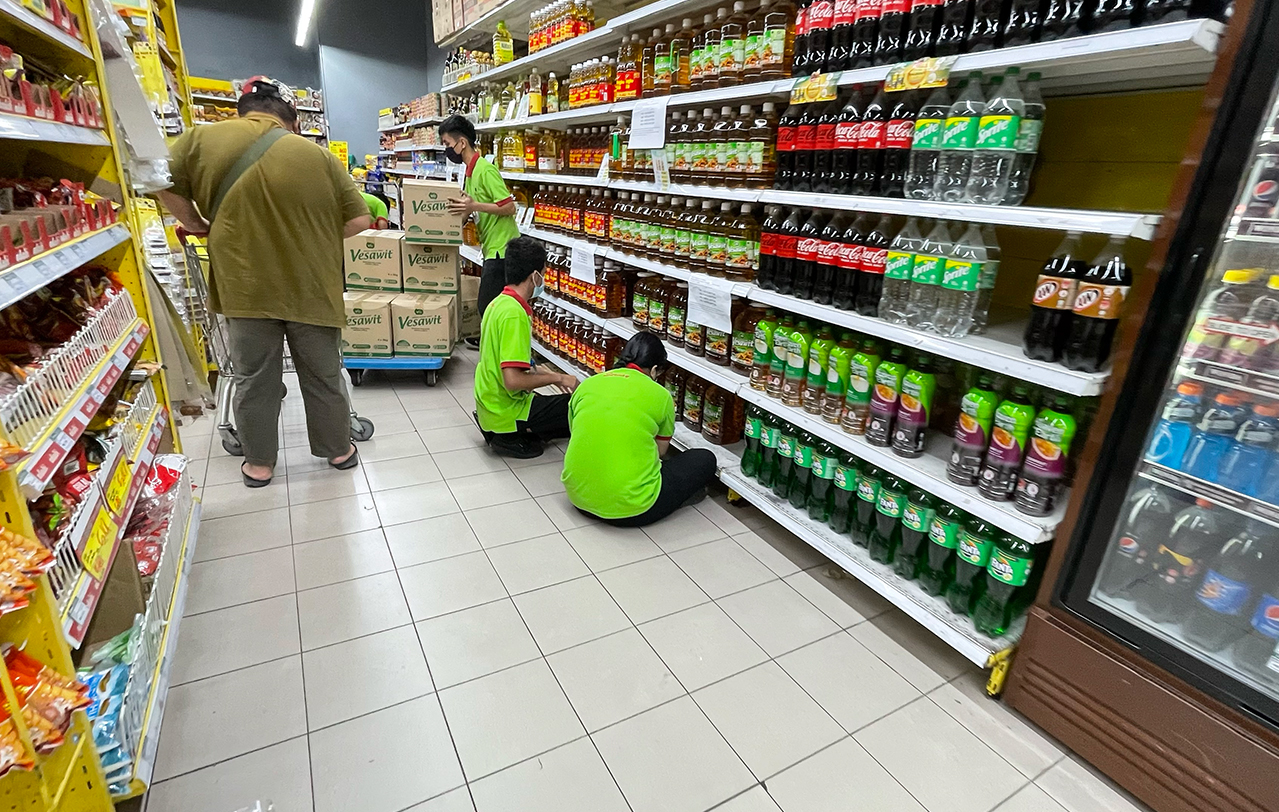
Most of the store workers also noted supplies of 1kg subsidised cooking oil in their stores are unusually hard to get.
The stores also impose a cap on the purchase of cooking oil such as a three-bottle limit set for a 5kg cooking oil as well as a five-bottle limit for the 3kg, 2kg and 1kg cooking oil packaging respectively.
From July 1, the maximum retail prices for eggs in Sabah was set at 49 sen for a Grade A egg while Grade B is set at 48 sen in the West Coast district, which is the highest in the country.
In the state’s east coast, consumers need to pay 50 sen and 49 sen for the same grades of egg.
Food security task force needed?
Meanwhile, Sabah Deputy Chief Minister II Datuk Seri Jeffrey Kitingan reassured that the supply of eggs will remain stable and sufficient, and has since mooted to the state the formation of a food security task force to deal with the inconsistencies.
The state agriculture and fisheries minister pointed out there could be an increase in demand for chicken eggs as they are the cheapest source of protein, but pointed out that farms do not have a problem meeting consumers’ demands in the state.
Sabah poultry farms slaughter around 100,000 chickens and produce some 2.5 million eggs a day, with their status currently self-sufficient.
Jeffrey said the state ministry is now looking for ways to assist the private sector’s rising demand whilst attempting to reduce the prices of protein sources like chicken meat and pork.
“The problem is that while the pricing of chicken and pork are determined by the state ministry, we must follow the guidelines set by the federal veterinary department, such as accepting produce from abattoirs recognised by them.
“To deal with this, I have recommended the formation of the special task force on food security to find ways to reduce imports and increase local production, not just chicken or pork, but also rice and wheat,” he said.
He added that the state will also demand the devolution of powers of the federal department from the state veterinary department so Sabah can decide on its own list of acceptable abattoirs to supplement local produce.
On cooking oil, Domestic Trade and Consumer Affairs Ministry (Sabah office) director Georgie Abas said retailers may face a distribution issue in ensuring the supply remains enough in their stores.
Still, he said smuggling is also among the problems causing the shortage of cooking oil in Sabah.
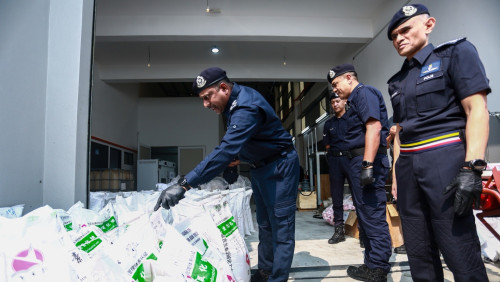
“This is why we have launched Ops ATM, which basically consists of busting smuggling of chicken, eggs, and cooking oil operations.
“We are now in our second phase, which will end on July 31.
“The operations include auditing whole packets of cooking oil that is being sold by the retailers,” he said.
He said the auditing would allow the ministry to check on the paper trail, from the factory down to the retailers.
This, he added, would allow the ministry’s enforcement officers to pinpoint whether traders have flouted regulations on the essential item. – The Vibes, July 13, 2022