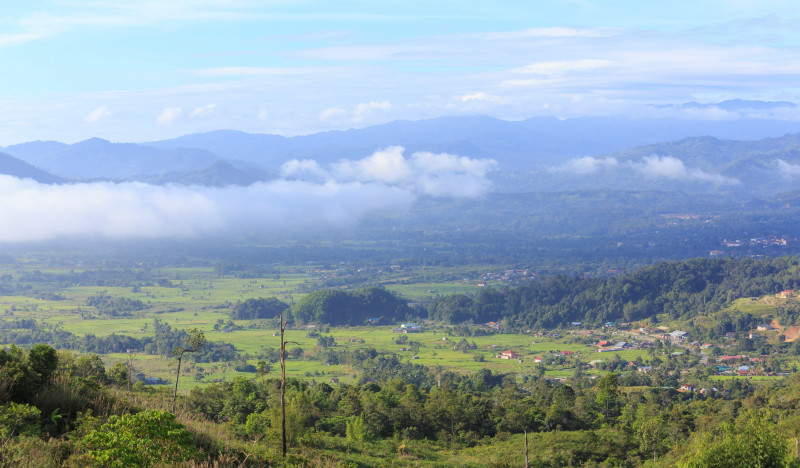

RANAU – The temperature around the idyllic and breathtaking Ranau highlands seems to be rising these days. And it has not just to do with the geographical climate.
The parliamentary constituency in Sabah is seeing more persistent and heated calls for a more localised political front to be dominant and assume power there.
Although the public is generally happy with the present MP, Jonathan Yasin, who is constantly on the ground looking after his constituents, many feel that the return of local parties would be the best for everyone. Yasin is with Bersatu, a peninsula-based party.
This sentiment is very reflective of the feelings among voters across remote areas that are impoverished of adequate infrastructure, education, and jobs. There is a sense of scepticism and distrust towards outside parties, especially those from Peninsular Malaysia.
This may be an integral factor to determine the voting trends in the next general election, with Sabah parties asserting more influence and confidence among the people.
As though summing up the sentiment, Sanin Gabin, a farmer, said local parties know local issues best.
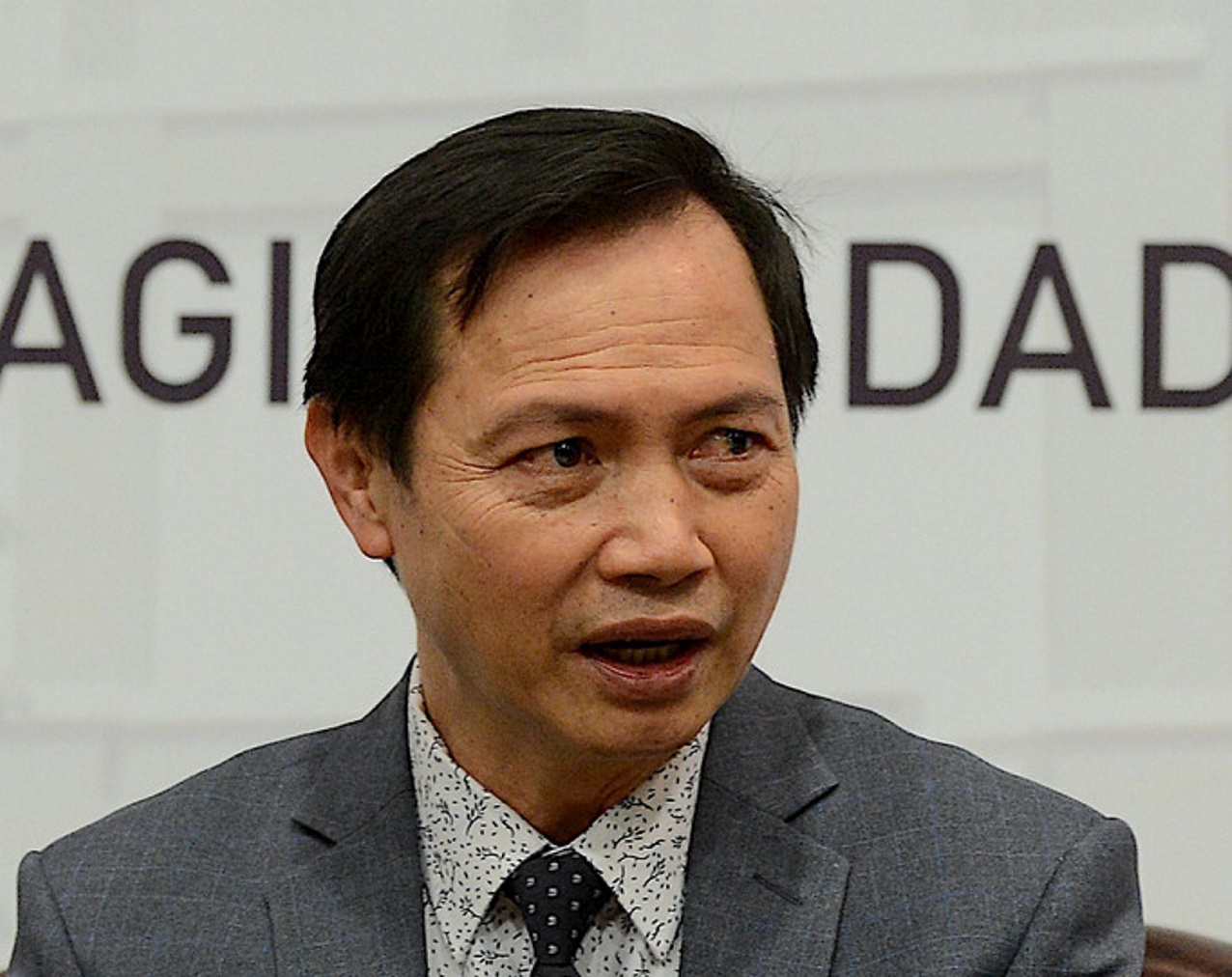
He said that while Yasin is also from Ranau and thus aware of the problems, his party’s peninsula leaders, including those holding cabinet posts, may not.
As a result, developments are at a snail’s pace in the vacation district, said the 23-year-old.
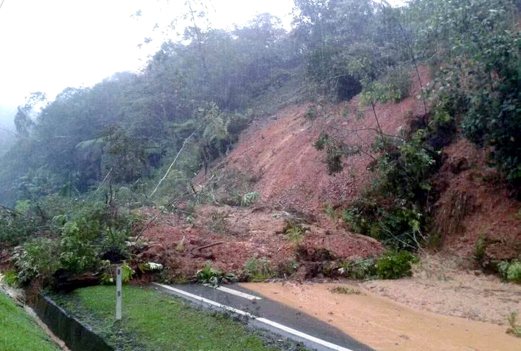
He said different districts have different problems. “We wish to see major changes happening in this village, including having the bad road conditions repaired here in Ranau.
“There are still many roads being poorly maintained like in Kg Kigiwit, Kg Nukakatan and Kg Kodop.
“The effort (in developing local infrastructure) is too slow and this is giving farmers a hard time in transporting their crops to the local market,” he said.
Gabin opined that the people in Ranau will support a party that is truly from Sabah – like Parti Bersatu Sabah (PBS), as outfits like these are more receptive to the state’s own problems.
“I think PBS has strong support and they could easily win the state seat,” he said.
“However, for the Ranau parliamentary seat, it would be a 50-50 situation because people do like Yasin despite the fact that he has jumped from PKR to Bersatu.”
In the 14th general election in May 2018, Yasin won the Ranau seat on a PKR ticket but he later silently joined Bersatu in the Sheraton Move in early 2020. This was due to his allegiance to Datuk Seri Mohamed Azmin Ali who brought over his faction in PKR to join the party led by Tan Sri Muhyiddin Yassin.
Yasin had won the seat on a narrow 1,076-vote majority with 14,880 votes, against top rival Datuk Ewon Ebin, the incumbent from United Progressive Kinabalu Organisation (Upko), who garnered 13,804 votes.
Upko had held Ranau from 2004 to 2018, mostly during the reign of Barisan Nasional in Sabah. The party was then a component of the coalition.
Incidentally, Ewon would later change parties and join Parti Cinta Sabah (PCS) led by former Kimanis MP Datuk Seri Anifah Aman. Later still, he resigned from there as well after PCS failed to win any seats in the Sabah election in September 2020.
There are a total of 45,813 registered voters in Ranau with the majority being non-Muslim Bumiputera (57.22%) and 40% Muslim Bumiputera. Many work in agriculture and as tourist accommodation operators.
Ranau is also known for more Muslims who are Dusun, which means the 40% Muslim Bumiputera in the constituency could be Dusun; favourable for a Dusun candidate.
Besides PBS which has announced that it is eyeing the seat, Bersatu, its ally in the Gabungan Rakyat Sabah coalition, also wants the seat. So does BN, as well as PKR which is out to reclaim it, setting up Ranau for a multi-cornered fight.
A tourism gem
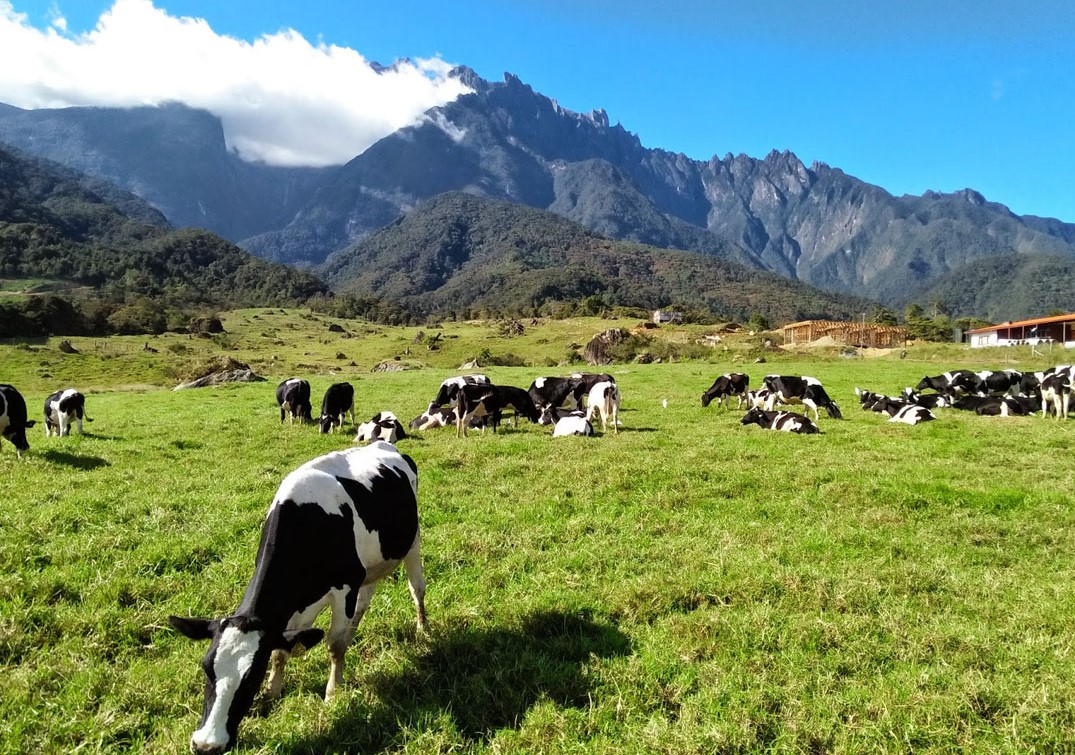
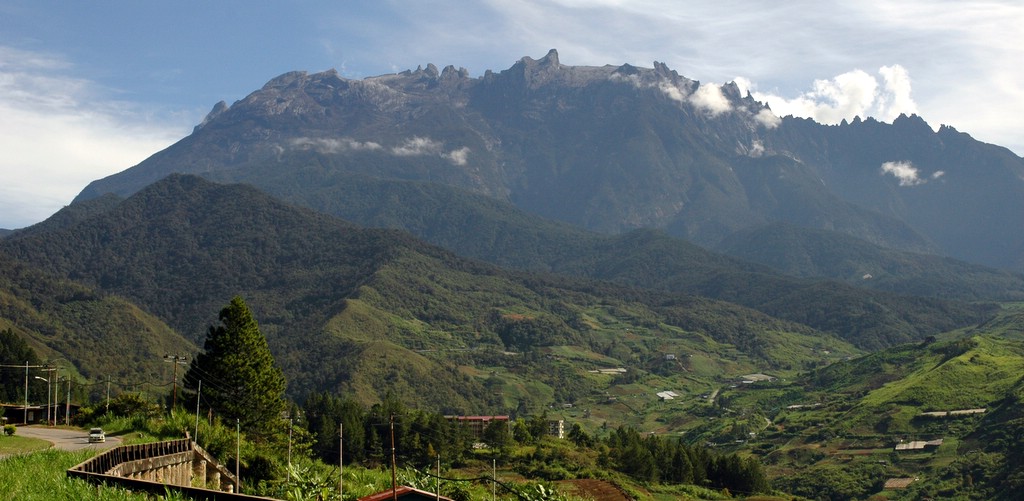
Famous for its cool vacation spots and home to the tallest mountain in the region, Mount Kinabalu, Ranau produces up to 30% of Sabah’s vegetable supply.
Kundasang in Ranau, dubbed the “little New Zealand”, has majorly contributed to the tourism sector in the area, with many locals setting up homestays and manning various attractions to take advantage of the area’s natural beauty.
Ranau is also a convenient stop for vehicles travelling between Kota Kinabalu and the east coast districts.
Due to that, Ranau was one of the worst affected districts during the Covid-19 pandemic.
Many small players in the tourism sector are only starting to get back on their feet now that the industry is reviving post-pandemic.
Lack of quality jobs
Quality jobs are also lacking in Ranau. The general view among locals looking for a stable income is to become civil servants, or to get involved in the tourism sector.
Umesh Rajan, 36, said he had to find work in Kota Kinabalu to be able to sustain his livelihood.
But he was laid off during the pandemic and has since returned to Ranau to be closer to his family.
It was not easy for him to secure work that pays over RM2,000 a month around Ranau.
“I have a degree in education but no one wants to hire me. Perhaps I am overqualified for the types of work around here. I prefer to work in Ranau as all my family members are here,” he said.
Still, Rajan said, his situation is far better than his peers in other rural areas like Kota Marudu, where quality jobs are scarce and the internet services are extremely poor or non-existent. – The Vibes, August 14, 2022


_25022021_-_KUL_-_WAN_SAIFUL_WAN_JAN_INFORMATION_CHIEF_OF_BERSATU_INTERVIEWED_ON_PH_FALL_ANNIVERSARY_-_SADIQ_-_32.jpg)