
KOTA KINABALU – The RM2.3 billion Upper Padas 180MW hydroelectric dam has yet to see any construction nine years since the project was mooted in 2013 but details on its ownership have been revised several times.
The construction of the dam in Tenom, which was supposed to be completed in 2019, was said to be suspended for many years due to technical design issues – according to the Special Environmental Impact Assessment (SEIA) final report released on May 10 this year.
In 2015, a 60% stake in the project was given to Kerjaya Kagum Hitech JV Sdn Bhd, while Sabah Electricity Sdn Bhd (SESB) got 20%, with the remaining 20% going to the Sabah government.
Based on the final SEIA report, Upper Padas Sdn Bhd is named as the company tasked to develop the project.
Sabah Energy Corp Sdn Bhd (SEC) – on behalf of the state government – now holds 40% in Upper Padas while Kerjaya Kagum Hitech JV still holds its 60% stake.
But a site linked to the SEC webpage will take visitors to another company called Petro Pipe (Sabah) Sdn Bhd – a member of the Wasco Energy Group of Companies – which is involved in pipe coating, engineering and fabrication services.
The Petro Pipe and Wasco Energy Group websites, however, have no details of their involvement in the hydropower project.
In 2020, The Vibes reported the project was delayed as the appointed contractor tasked to undertake preliminary work lacked funds.
Putrajaya had also approved a RM569 million soft loan to SESB for an equity injection into a special purpose vehicle or consortium tasked to undertake the project.
Recently, Sabah Chief Minister Datuk Seri Hajiji Noor revealed the state government supports the application by “New Sabah Hydro” to develop the project.

He had identified the Upper Padas project as a 170MW hydroelectric plant with a “run-of-river” concept at Sg Maligan and Ulu Padas, Sipitang.
But there was no mention of when construction would begin.
Previously, Jentayu Sustainables Bhd received a letter of approval from the Sabah government to develop two run-of-river power plant projects at Sg Maligan and Sg Padas – with installed capacities of 31MW and 129MW – code-named Project Oriole.
The new projects added to the company’s existing renewable energy projects.
It had acquired Telekosang Hydro One Sdn Bhd and Telekosang Hydro Two Sdn Bhd, which are currently developing a 40MW small hydro plant in Kemabong, Tenom, with a 21-year power purchase agreement.
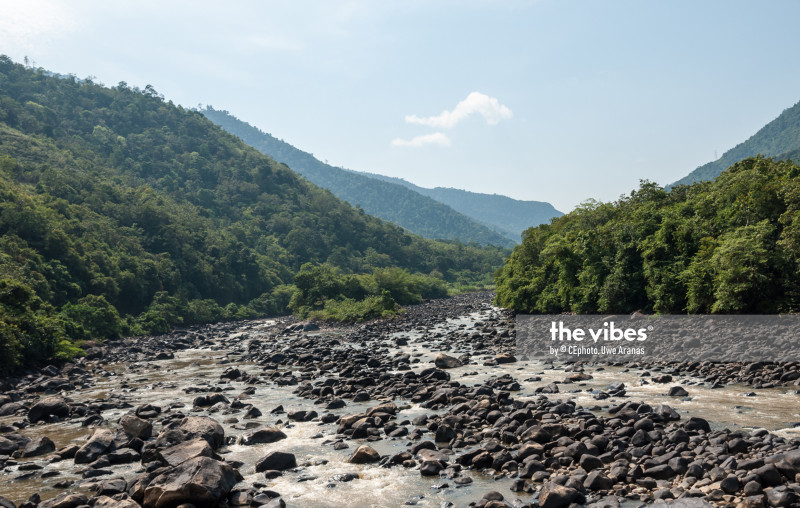
The proposed dam site is in the Sipitang district with the nearest major settlement in Kuala Tomani, in the north banks of Sg Padas in Tenom.
The reservoir falls under the Sipitang Class II commercial forest reserve licensed to Sabah Forest Industries Sdn Bhd (SFI).
The SFI concession covers most of the hydroelectric catchment area but the logging contract given to the company has been terminated. The site is approximately 210-km southwest from here.
What is New Sabah Hydro?
A source close to the Upper Padas project told The Vibes that it was supposed to be developed by a consortium, but could not confirm whether it is called “New Sabah Hydro.”
However, he said the project was scheduled to be completed alongside the Southern Link (Main Power Grid) in 2015.
“The Southern Link has been completed and is now awaiting electricity to be supplied to the main grid.
“The site investigation was done some time in 2018 and the tendering procedure was supposed to be in 2019, while actual construction was to start in February.
“But the project has not commenced and now the southern grid will receive power supply from Sarawak,” said the source, referring to Sabah purchasing power from the neighbouring state starting in 2023.
The Southern Link is a 330-km transmission line from Mengalong, Sipitang to Kalumpang, Tawau.
660ha submerged underwater
On August 18, Rimba Disclosure Project, a forest monitoring initiative, posted on Twitter the cover page of the Special Impact Assessment for Proposed Upper Padas Hydroelectric Project.
The report was made available on the Sabah Environment Protection Department’s website on June 8, 2022 with the final SEIA report on May 10.
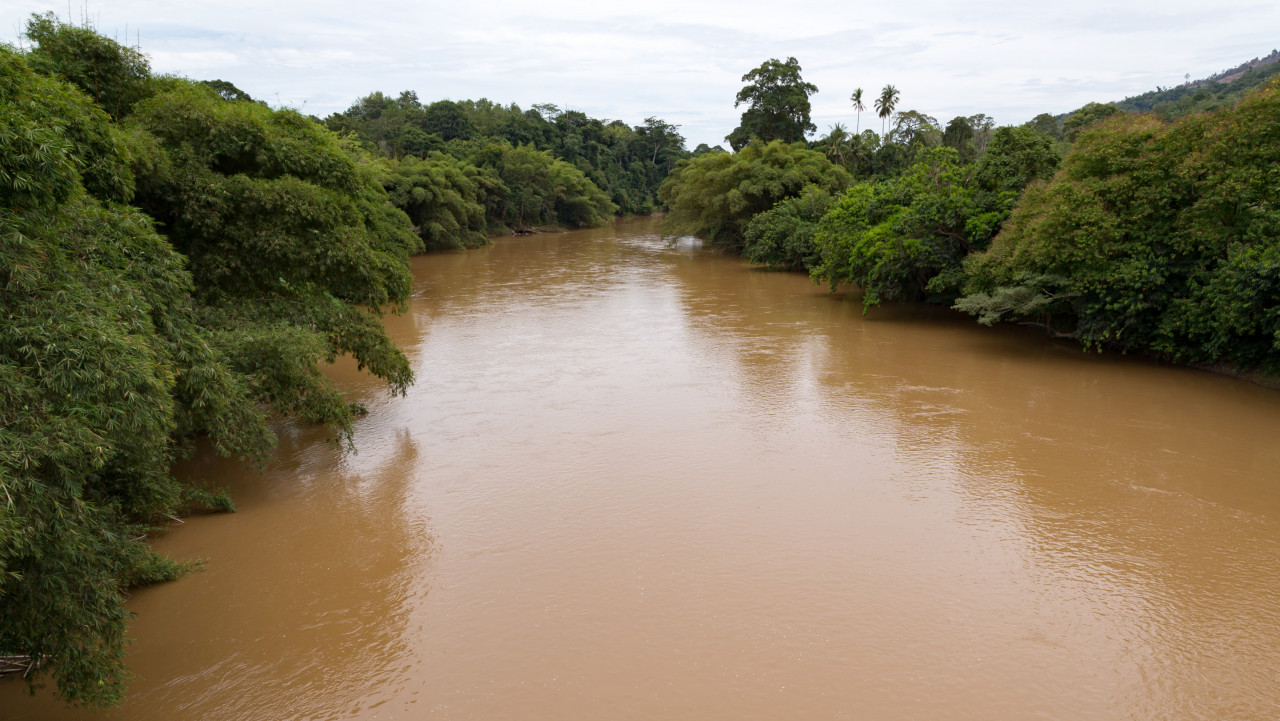
The catchment area that would contribute run-off to the dam measures about 1,885 sq km and the reservoir is expected to cover approximately 660ha and involve three rivers – Sg Padas, Sg Meligan and Sg Ketanun.
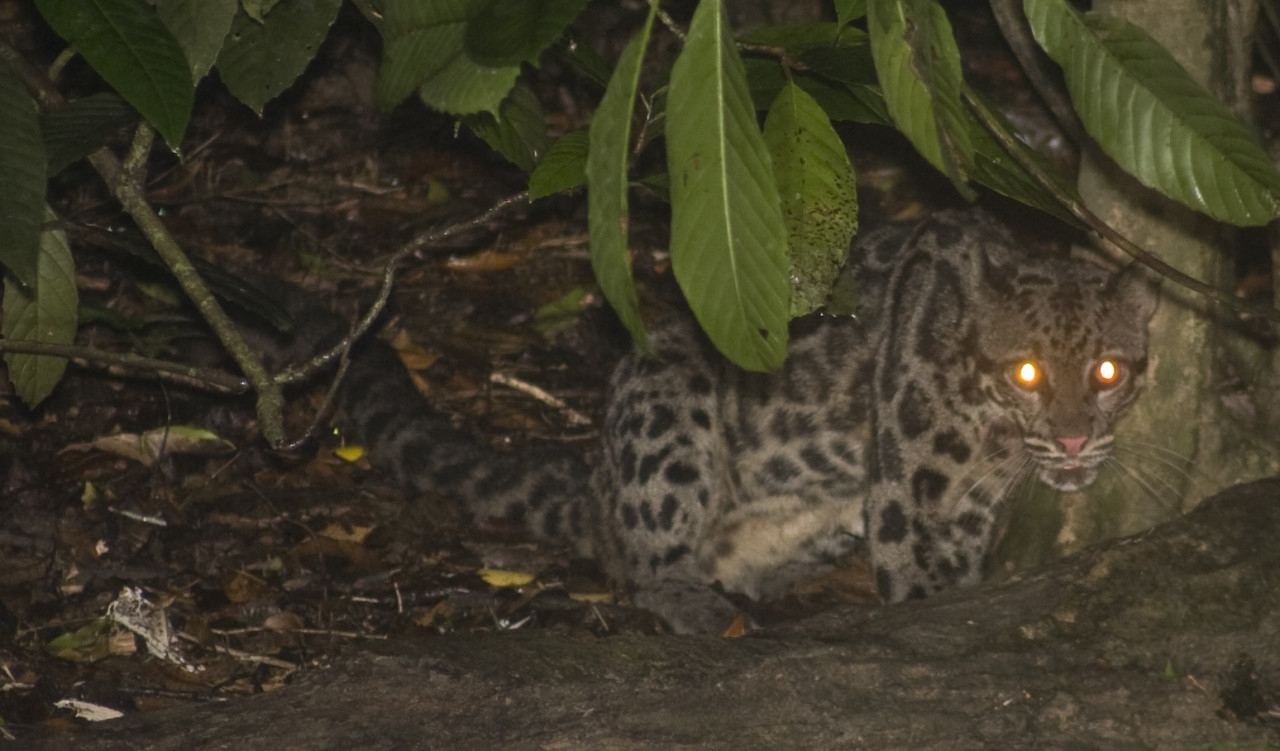
According to the reports, 46 mammal species were recorded in the surveyed areas, including sun bears, clouded leopards, leopard cats, otters, martens, bear cats, civets, various deer, bearded pigs, monkeys, squirrels, rats and bats.
Of the 46 species, 25 (54%) are protected species under the Sabah Wildlife Conservation Enactment 1997.
Of particular interest are the Malayan sun bear and the clouded leopard, which are priority species in Sabah as they are listed as “totally protected species” under the Wildlife Conservation Enactment and they are also classified as “vulnerable” on the IUCN Red List.
Large ungulates (hoofed animals) that were recorded included sambar deer, red muntjacs and bearded pigs.
However, their numbers appeared to be very low in the surveyed area presumably due to hunting activities in the past.
The primate community is fairly diverse with five species recorded in the area.
The Bornean gibbon could frequently be heard in the morning suggesting a healthy population in the area, while other species recorded were the maroon langur, Hose’s langur, pig-tailed macaque and long-tailed macaque.
Interestingly, nine species of squirrel make the area their home too, including the Bornean black-banded squirrel, Prevost’s squirrel, Low’s squirrel, tufted ground squirrel and plantain squirrel.
However, there was no evidence of Borneo pygmy elephants or the highly endangered orangutan.
Earlier reports from the WWF that there should be some tembadau or banteng in the Ketanun area could not be confirmed from field observations.
In 2009, there were occasional sightings of tembadau confirmed by the Sabah Wildlife Department, but it was believed they were merely a few roaming animals rather than an actual population.
The area is still fairly rich in terms of animal diversity but their population numbers cannot be narrowed down.
All bird species recorded – except for larger birds such as hornbills and pheasants – were found to be fairly common in the surveyed areas.
A total of 238 bird species were recorded, of which 50 species (18%) are listed as “protected” under the Wildlife Conservation Enactment.
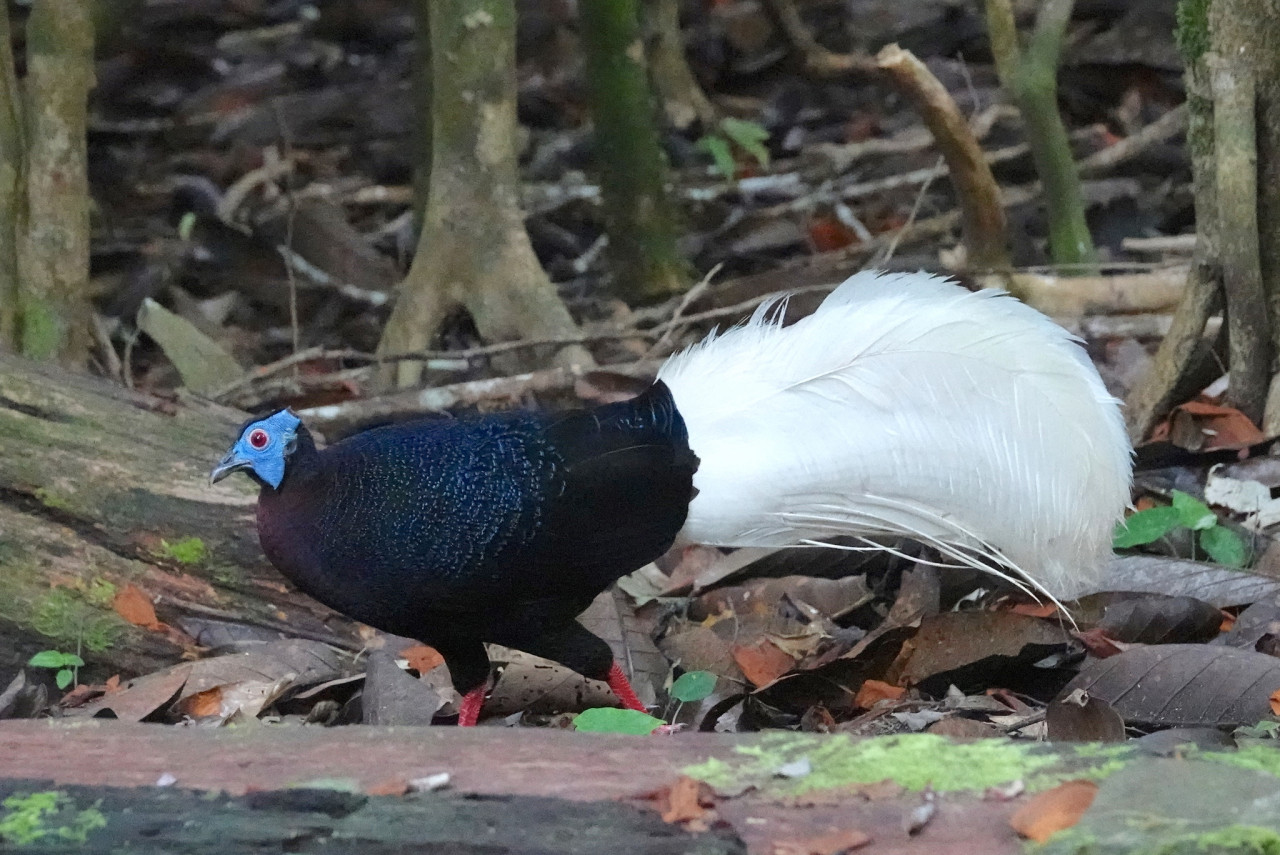
The notable bird species are Bulwer’s pheasant, Argus pheasant, crested fireback, crested partridge, crimson-headed partridge and six species of hornbills – helmeted hornbill, rhinoceros hornbill, wreathed hornbill, bushy-crested hornbill, pied hornbill and white-crowned hornbill.
Bulwer’s pheasant is classified as “vulnerable” on the IUCN Red List while the crested fireback, crested partridge, helmeted hornbill, rhinoceros hornbill and white crowned hornbill are classified as “near threatened” on the same list.
The 660ha marked for the reservoir currently has mixed dipterocarp forest species but only one is found listed under the Convention on International Trade in Endangered Species.
This species is Aquilaria malaccensis, locally known as gaharu and found in the reservoir area and logged-over forest.
The 188,500-ha catchment area includes several forest reserves and parcels of native private land.
There are eight villages in the upper catchment area – Kg Meganit, Kg Long Pa Sia and Kg Long Mio to the south; and Kg Meligan, Kg Iburu, Kg Mangkabong, Kg Antarulan and Kg Meligan.
These villages are in the gazetted state land which covers approximately 12,300ha. – The Vibes, September 6, 2022