
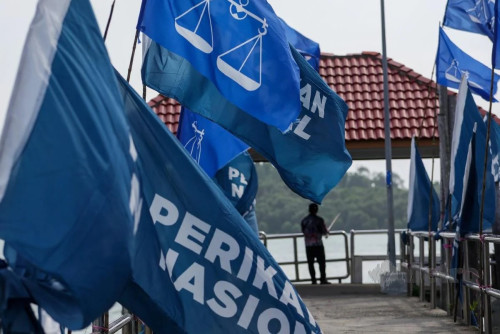
KUALA LUMPUR – PAS’ decision to join forces with Perikatan Nasional (PN) in the upcoming general election (GE15) will likely weaken the Islamist party’s chances in the national polls, observers said.
Nusantara Academy for Strategic Research senior fellow Azmi Hassan said the move to snub Barisan Nasional (BN) and its linchpin Umno will handicap PAS in preparing to garner votes.
He said this is because PAS, Umno, and Bersatu are targeting the same bloc of Malay voters, with Umno having the “strongest presence” out of the three parties.
“By making Umno their rival, PAS is at a great disadvantage since Umno has the greatest traction among Malay voters.
Umno and PAS are now set to go against each other, especially in (PAS-held) states, namely Kedah, Kelantan, and Terengganu, where there will be a head-on clash between the two.
“In this case, Umno is in a better position because it has a greater pull in terms of Malay votes than Bersatu,” he said.
During its meeting on October 12, PAS’ central working committee decided to consolidate its collaboration with PN for GE15, effectively halting the Muafakat Nasional (MN) pact formed between PAS and Umno in 2019.
Umno president Datuk Seri Ahmad Zahid Hamidi subsequently announced that Umno and BN will go solo in GE15 after telling PAS it should quit PN before holding talks on cooperation with BN.
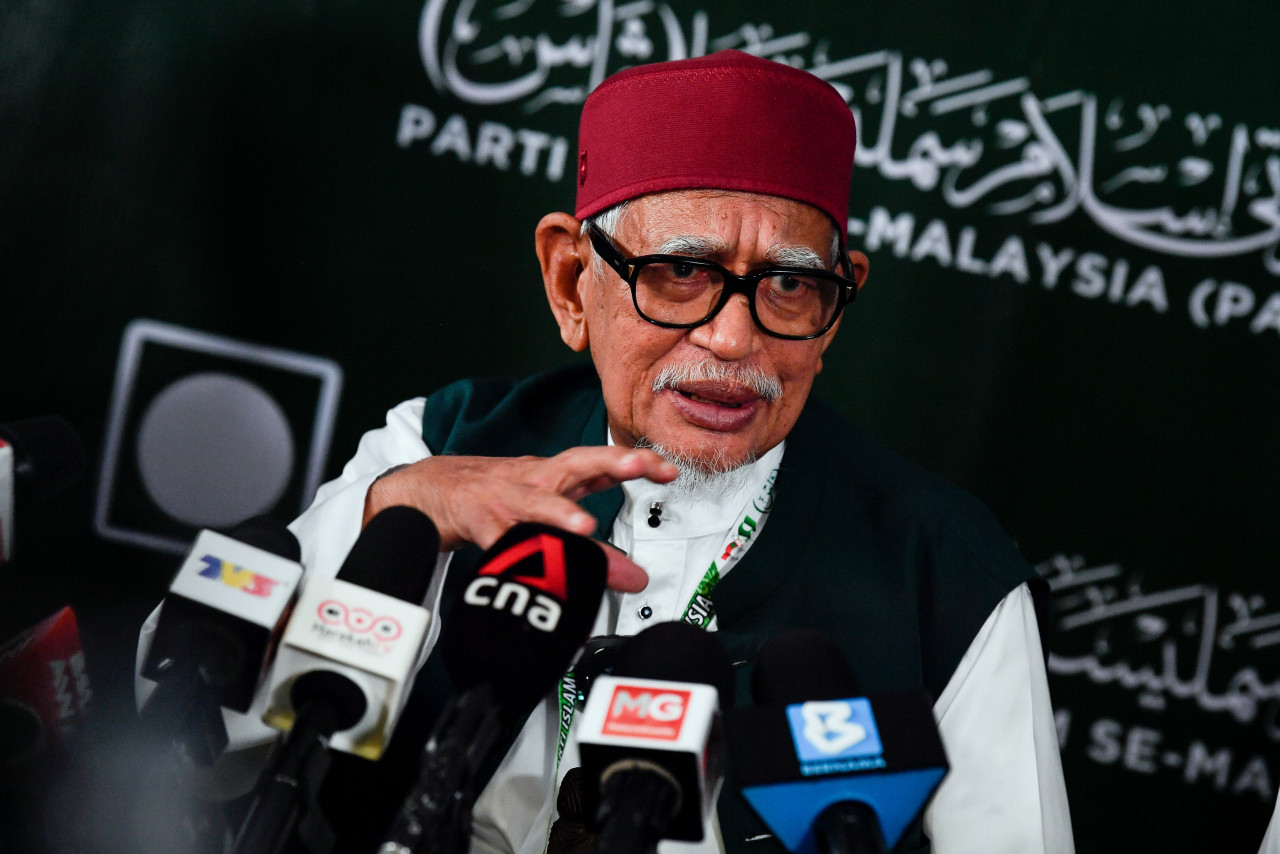
On October 14, PAS president Datuk Seri Abdul Hadi Awang said the party will campaign with its symbol exclusively in the states under its administration, while running under the PN banner in other localities.
Ahmad Fauzi Abdul Hamid, a political science lecturer at Universiti Sains Malaysia, said PAS’ cooperation with PN provides an opportunity to redevelop voter support in more diverse constituencies outside of its strongholds.
Siding with PN gives (PAS) the flexibility to reformulate their religious message in a more generally accepted lingo in certain areas, especially urban and ethnically mixed constituencies,” he told The Vibes.
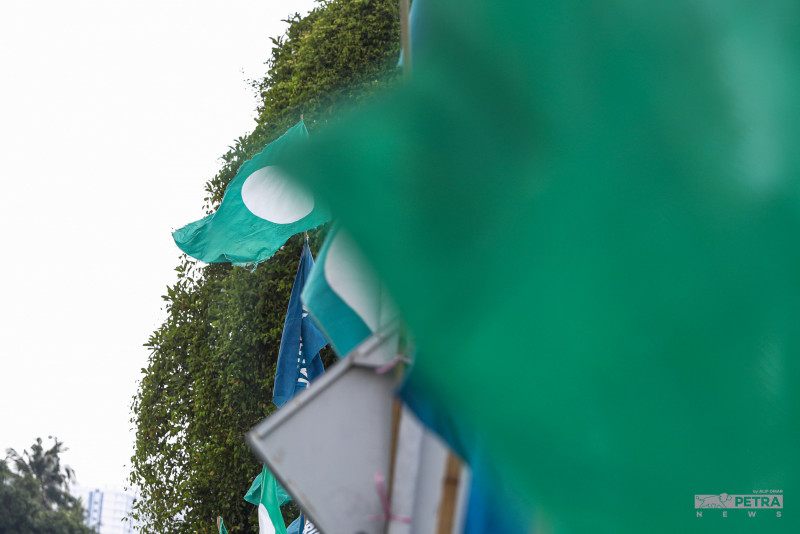
“Outside of the PAS-controlled states, the moon logo connotes religious extremism, though not of the violent kind. Thus, it is more strategic (for PAS) to contest under PN’s logo in these states.”
He also pointed out that PAS’ preparedness to allow Bersatu politicians to contest under the former’s banner in Malay northern and northeastern areas remains to be seen.
“A healthy alliance must work both ways. PAS cannot expect to keep all safe seats to itself while subcontracting the marginal seats to Bersatu.”
PAS strongholds enough to ensure victory?
Universiti Sains Malaysia’s Azmil Tayeb, however, opined that PAS’ decision to work hand-in-hand with PN might not be as detrimental as others would assume if PAS strongholds remain firm in their support of the party.
“I don’t think (PAS working with PN) will have any dampening effects on PAS’ chances at the polls. PAS will remain competitive in its strongholds of Kelantan, Kedah, and Terengganu,” he said.
“PAS is hedging its bets right now. If PN wins (GE15), then the status quo will remain, but if BN emerges victorious, PAS may be invited (to form the new government) since it is unlikely that BN will win an outright majority.”
Azmil also noted that while Umno has made a firm stance in rejecting overtures from PAS due to its relationship with PN, PAS appears to remain interested in forging ties with Umno.
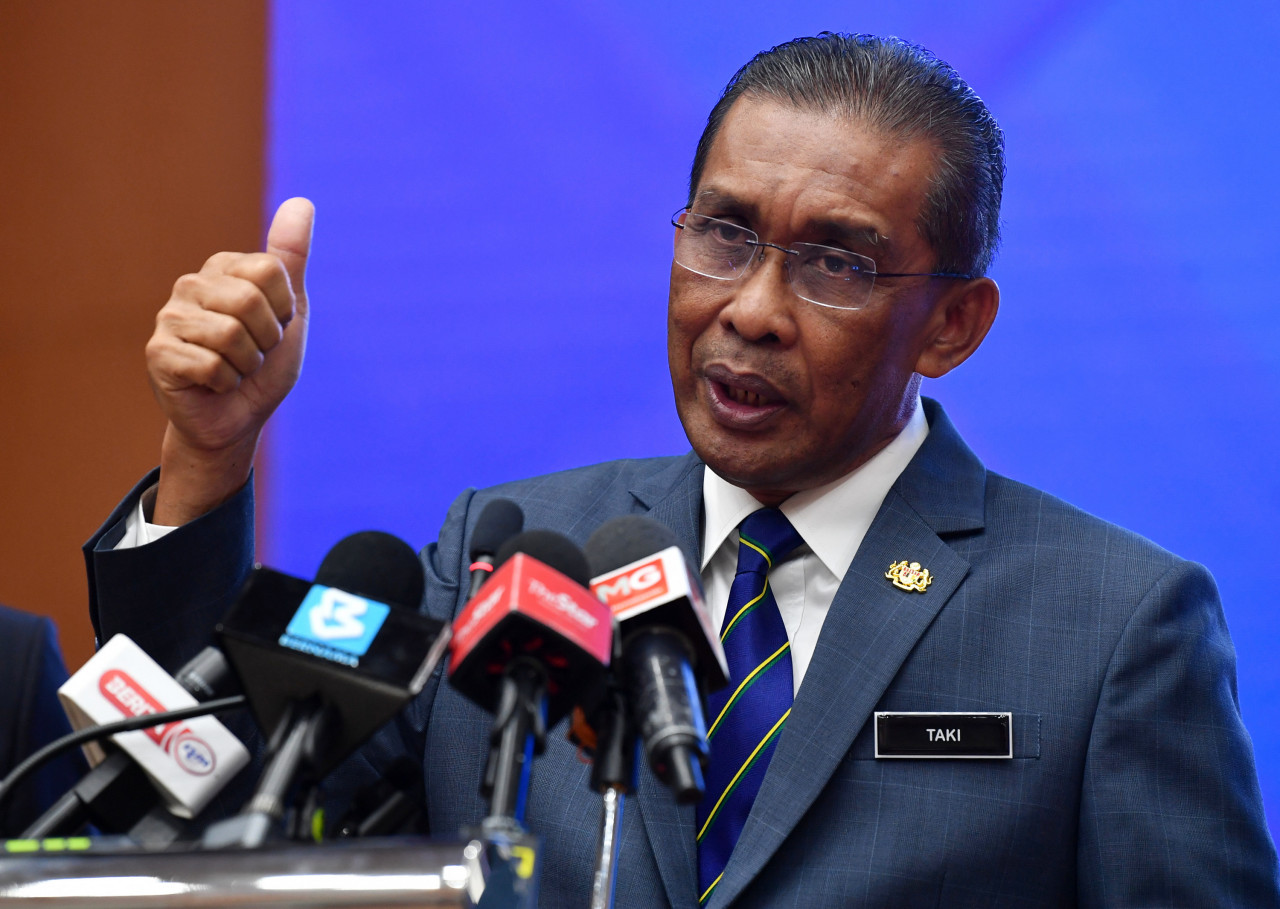
He attributed this to PAS secretary-general Datuk Seri Takiyuddin Hassan’s denial that cooperation with PN translates to a rejection of MN, aside from Hadi’s hints that PAS might consider future collaboration with Umno “when the time is right”.
Will split votes benefit Pakatan Harapan?
Echoing Azmil, Singapore Institute of International Affairs senior fellow Oh Ei Sun said that while PAS will ostensibly continue to prevail in its traditional strongholds, the party may inadvertently contribute to a win for rival coalition Pakatan Harapan (PH).
“Most of the Malay votes would still go to Umno, but PAS could dilute some of Umno’s votes, thus handing closely contested seats to PH if all three are contesting in the same constituencies.
“PAS and Umno have been traditional rivals for a long period of time. Even if they team up, it is not apparent that they would add to each other’s support level.
“However, if they do clash, their votes will understandably split,” Oh said. – The Vibes, October 17, 2022





.jpeg)