

KUALA LUMPUR – With soaring prices of goods and no apparent decline to the rising cost of living, Malaysians seem to have reluctantly come to terms with increased spending.
While several patrons at supermarkets in the city centre here lamented to The Vibes how they have had to spend more with the higher costs of goods, some said they just make do with what they can buy.
One such shopper was Adibah Abdullah, 32, who said that she was forced to opt for a different brand of baby diapers after her preferred one drastically increased its prices.
The diapers (from my brand of choice) only used to cost about RM23, but now they are charging us around RM39, so I decided to purchase a different brand instead,” said the mother of three toddlers.
Noting that she usually does the shopping for her household twice monthly, she lamented how over the past year she has had to fork out nearly double the funds for similar amounts of groceries.
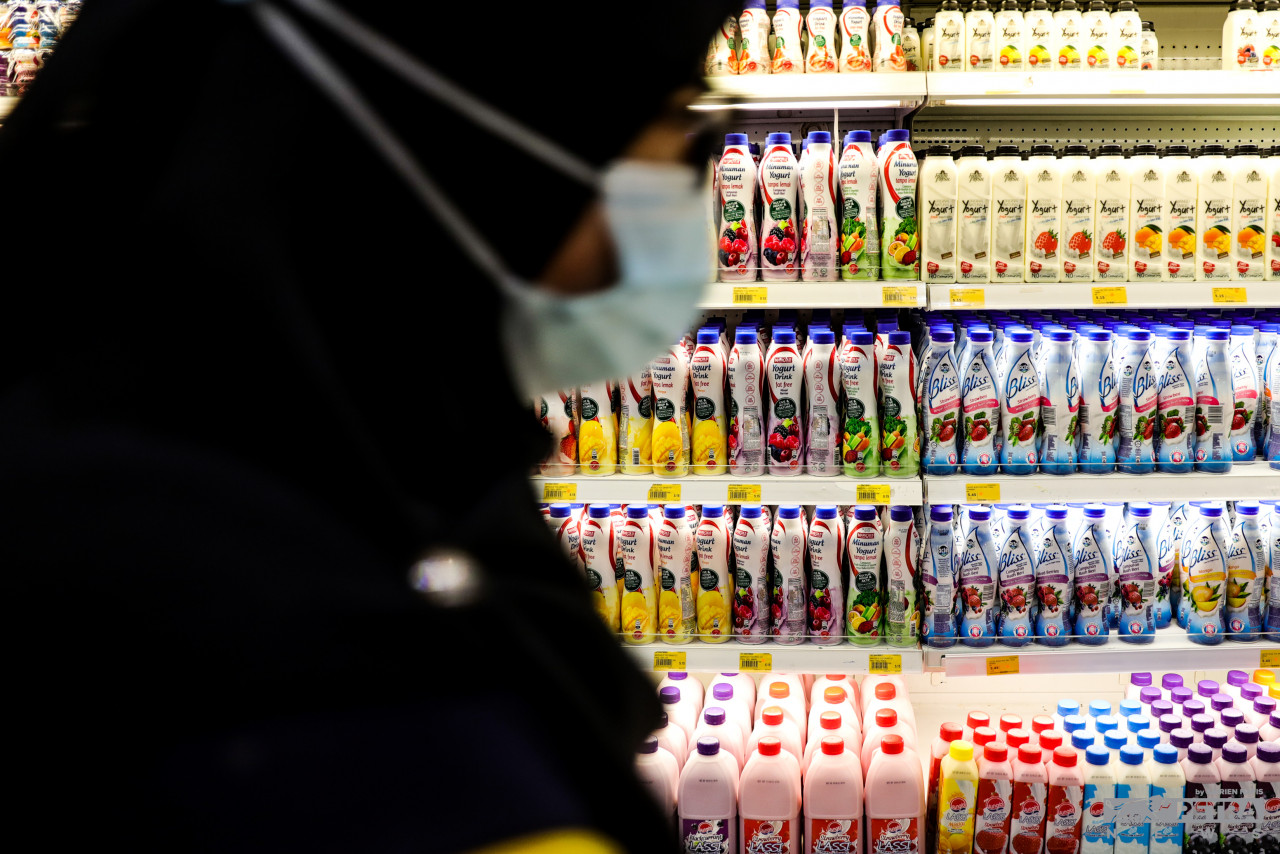
“A full trolley (of wet goods and other basic necessities) used to cost around RM600, but now (the items) can easily total up to RM1,000. RM600 might not even get me half a trolley of the things that I need.”
Nonetheless, she said that while stores often offer cheaper alternatives for certain food products, she has opted to remain loyal to brands which she regularly purchases as her family is used to the taste and quality of specific goods.
On the flip side, other purchasers asserted that it would be financially unwise in the current economic climate to be brand-conscious or unnecessarily picky with acquired merchandise.
In fact, they said they have learned to live more frugally by resorting to lower-priced items – even if they must endure a change in flavour or standard.
For a retiree who requested to be known as Hilmi, 64, tightening the strings on foodstuff expenses has seen his family cutting back on produce deemed to be out of their budget, choosing instead to nourish themselves with more price-savvy foods.
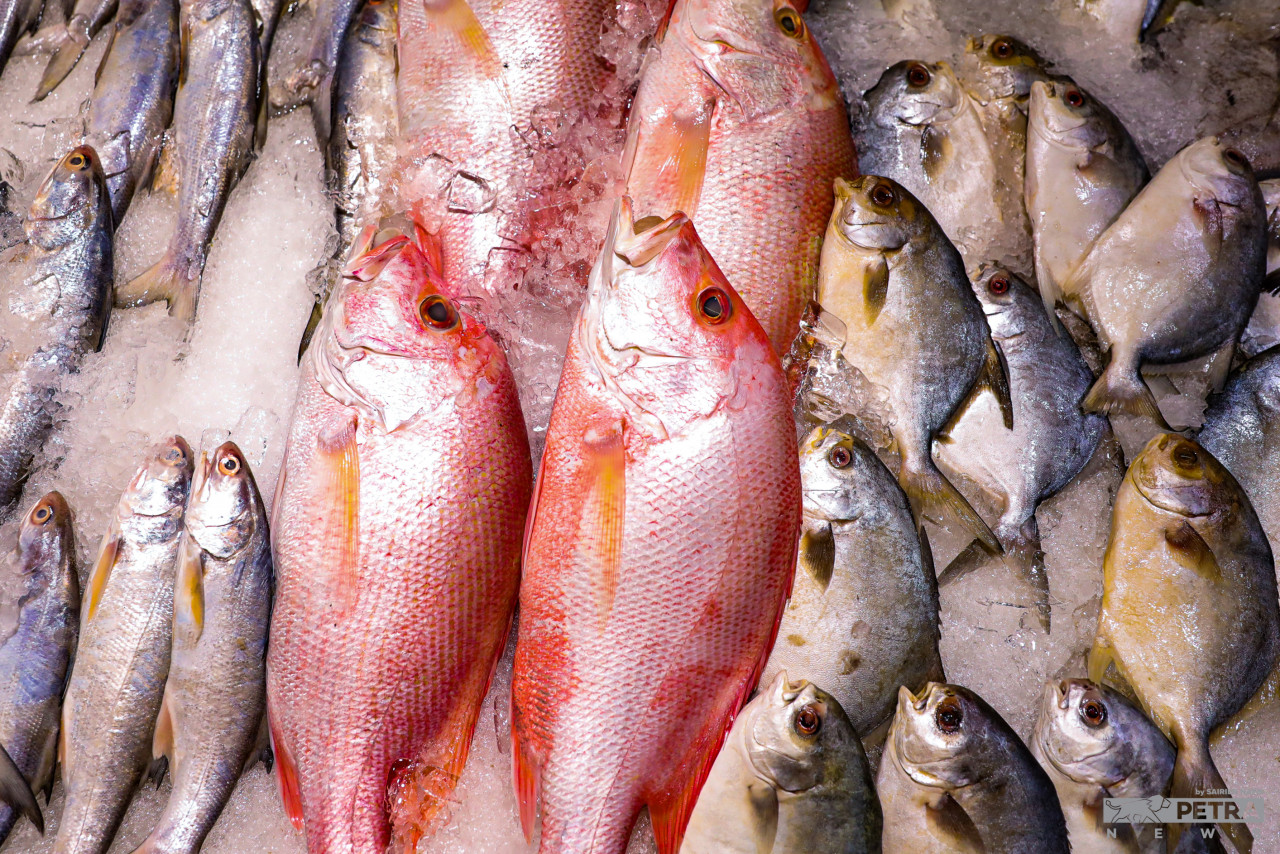
We rarely eat seafood nowadays… we eat more chicken since it is a price-controlled item.”
“We always try to go for cheaper items (since) we can’t afford to be brand-conscious anymore. It’s more about the prices of the goods (and not the brand).”
On June 29, the government had established the Special Task Force on Jihad Against Inflation aimed at formulating strategies to resolve inflation-related issues.
The task force, however, had incited the ire of then opposition lawmakers who questioned the “redundant” move since similar committees formed to address the same issue have failed to produce substantial results.
Decreased spending power spills over to dying businesses
Foodpanda delivery rider Sharifuddin, 26, who lives with his elderly parents, said he has elected to go with locally produced products in lieu of imported wares as the former tend to have comparatively lower price tags.
There has obviously been an increase in the amount of money that I’ve been spending (on monthly groceries) but the situation is still manageable for now.”
Expressing similar sentiments, former government servant Zahari, 68, who bemoaned how there was “no other option” but to go with cheaper varieties of a product, also suggested that consumers test out newly purchased brands by initially buying such items in small amounts.
“We don’t have any other choice (but to buy cheaper brands). It has also come to a point where if a product is not a necessity in our daily lives, then we are unwilling to splurge (on the goods).”
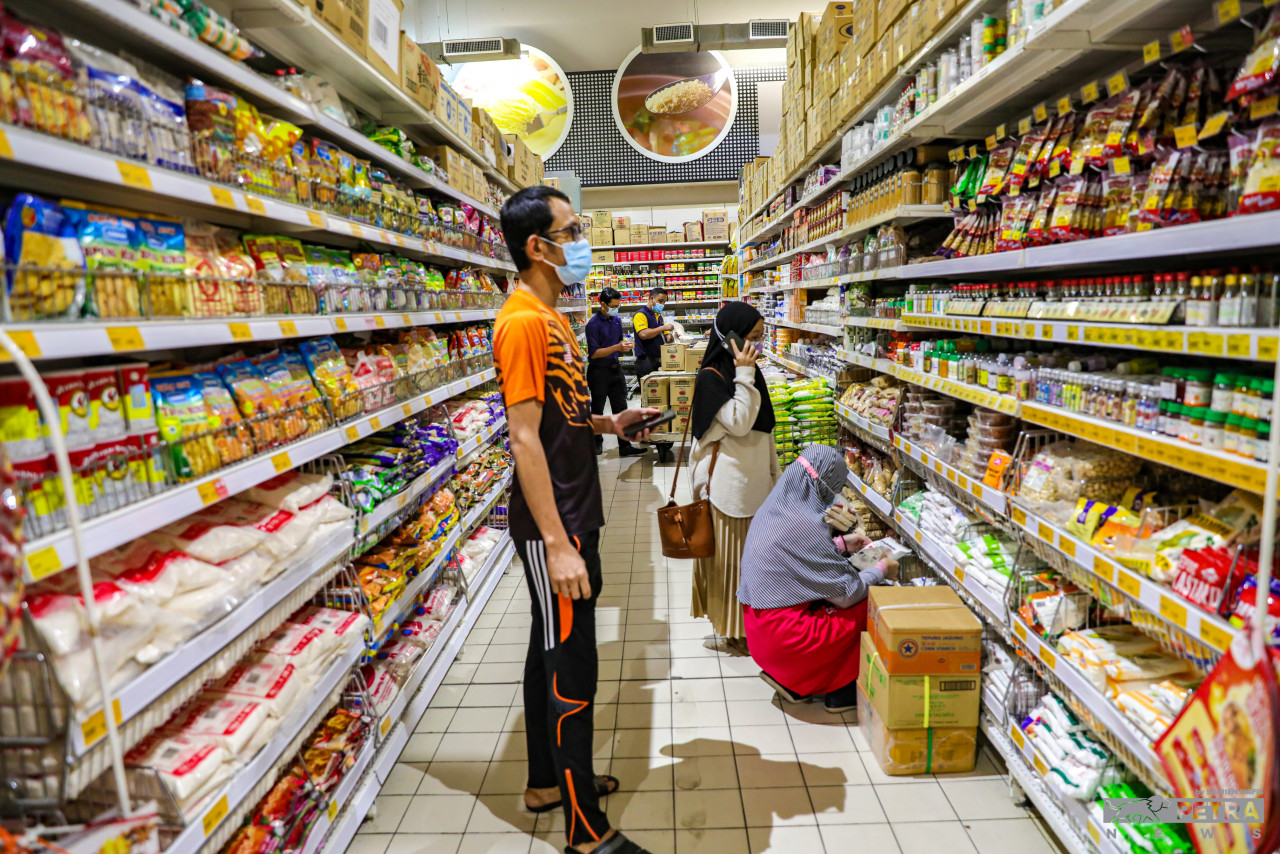
Claiming that he now has to spend hundreds of ringgit on groceries which used to cost him only about RM50, he also mentioned how the stalls he used to frequent appear to be going out of business due to the public’s decreased buying power.
Some of the food shops near my home which used to be famous and always packed with people have permanently closed their shutters.
“Maybe they couldn’t survive in this economy where people are wary of what they spend their limited funds on.”
The rising cost of living has incited several protests by various groups, including a brief gathering by Amanah on July 1 where the party outlined to the government demands targeted at alleviating the people’s suffering brought about by inflation.
A coalition of youth activist groups had also staged a similar protest the next day, with speakers sharing their anxieties on the uphill trend of goods prices while lambasting the government for its apparent lackadaisical attitude towards the public’s plight.
Moves by the Datuk Seri Ismail Sabri Yaakob government to ease pressure on consumers, however, had been to increase the minimum wage to RM1,500 effective May 1, despite objections from certain business groups.
Putrajaya had also reiterated its additional spending on subsidies, to the tune of nearly RM80 billion expected this year, the largest in the nation’s history.
These subsidies are for petrol, diesel, liquefied petroleum gas, cooking oil, flour, and electricity, and are aimed at reducing inflationary pressure on the people.
Prior to Hari Raya celebrations in May, Ismail Sabri also dedicated additional Bantuan Keluarga Malaysia financial aid to address the spike in the cost of living faced by Malaysians and to reduce financial burdens faced by the B40 group. – The Vibes, November 1, 2022













.jpeg)